Cultic Studies Journal, Vol. 2 No. 1 1985, Page 100
question don‘t have a high price or that they couldn‘t be obtained outside the cult. Helping
your child understand this may enable him to recognize alternate ways of conducting his
life. I know, for example, of former Hare Krishnas who have continued to meditate and
adhere to a vegetarian diet after leaving the Krishnas. They rejected the cult‘s
authoritarianism may all have a genuine appeal, even if they are tainted by negative
features, such as deception, and behavioral peculiarities, but retained that which they found
beneficial. And they did this without rejecting their families, college, a normal career, etc.
The cultist‘s confidence in his capacity to cope with the mainstream world and his ability to
recognize and resist manipulation may all be affected by the strengths and weaknesses of
his personality, his attitudes/values, his perceptions of the mainstream world, his coping
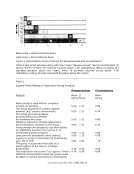
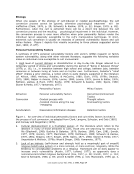
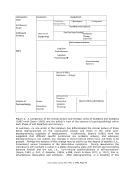
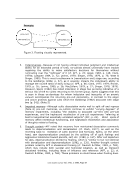
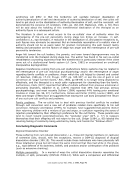
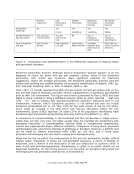
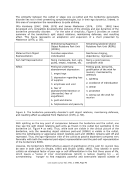
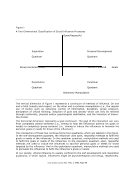
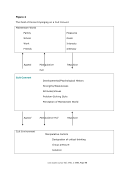
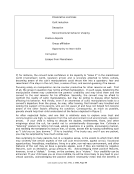
style, and his psycho-developmental history (middle box in Figure 2). Although the majority
of cultists appear to be relatively normal, approximately one-third to one-half report having
experienced serious psychological difficulties prior to joining their cult (c.f., Ash, 1985). If
parents are not sensitive to such pre-cult difficulties (because, for instance, they interpret
their child‘s psychological problems as a blow to their self-esteem), they may seriously
impede the helping process (as may deprogrammers who do not recognize psychopathology
in cultists with whom they work).
Therefore, it is important that parents try to understand what has gone on and is going on
―inside‖ their child (a task that is not made easier by a history of parent-child conflict).
Did/does he have developmental problems, e.g., fear of dating, vocational confusion? Did
he set such high and rigid standards (possibly in emulation of his parents) that pre-cult life
became like a guitar string tightened to the point of ―snapping‖? Is he characteristically
unassertive, unable to say ―no,‖ especially to people who seem nice? Did he show a naive
idealism or a cynical disillusionment with the world, either of which could open him up to
utopian movements? Was he prone to more than normal depressions? Did/does he lack
self-esteem? Did/does he tend to withdraw from difficulties, rather than attempt to master
them?
Such questions can be multiplied a hundred-fold (see Langone, 1983, for a report on a
questionnaire inquiring into such matters). Although only a few questions may be pertinent
in any one case, those few may be extremely important for parents seeking to help a child
voluntarily reevaluate his cult involvement. Studying their child‘s psychological makeup
enhances not only understanding of the cult‘s appeal, manipulative pull, and repulsion, but
also of the mainstream world‘s appeal, manipulative pull, and repulsion. Parents with a child
in a destructive cult can easily overlook those things in the world that appeal to him (e.g.,
family get-togethers, hiking with friends, shopping), can grossly underestimate his fears
about the world (e.g., establishing himself in a career, finding a mate, making friends,
establishing independence), and, as noted earlier, can be tempted to use the same
unethical manipulations they criticize in the cult. (It should be noted that parental
manipulations are not usually as successful as the cult‘s manipulations. The latter has more
experience in the manipulation game and doesn‘t run head-on into separation-individuation
issues which, even under normal conditions, makes the relationship of parent and adult
child a sensitive one.)
If parents have a good understanding of the field of forces affecting their child and if they
have sufficient rapport and communication skills, they will be in a good position to help their
child understand the many factors affecting his behavior, feelings, and thoughts. By making
him more aware, they make him more free, in a psychological sense. Stanford University
psychologist Albert Bandura says that ―freedom is determined by the number of options
available to people and the right to exercise them. The more behavioral alternatives and
social prerogatives people have, the greater is their freedom of action‖ (Bandura, 1974, p.
815).
question don‘t have a high price or that they couldn‘t be obtained outside the cult. Helping
your child understand this may enable him to recognize alternate ways of conducting his
life. I know, for example, of former Hare Krishnas who have continued to meditate and
adhere to a vegetarian diet after leaving the Krishnas. They rejected the cult‘s
authoritarianism may all have a genuine appeal, even if they are tainted by negative
features, such as deception, and behavioral peculiarities, but retained that which they found
beneficial. And they did this without rejecting their families, college, a normal career, etc.
The cultist‘s confidence in his capacity to cope with the mainstream world and his ability to
recognize and resist manipulation may all be affected by the strengths and weaknesses of
his personality, his attitudes/values, his perceptions of the mainstream world, his coping
style, and his psycho-developmental history (middle box in Figure 2). Although the majority
of cultists appear to be relatively normal, approximately one-third to one-half report having
experienced serious psychological difficulties prior to joining their cult (c.f., Ash, 1985). If
parents are not sensitive to such pre-cult difficulties (because, for instance, they interpret
their child‘s psychological problems as a blow to their self-esteem), they may seriously
impede the helping process (as may deprogrammers who do not recognize psychopathology
in cultists with whom they work).
Therefore, it is important that parents try to understand what has gone on and is going on
―inside‖ their child (a task that is not made easier by a history of parent-child conflict).
Did/does he have developmental problems, e.g., fear of dating, vocational confusion? Did
he set such high and rigid standards (possibly in emulation of his parents) that pre-cult life
became like a guitar string tightened to the point of ―snapping‖? Is he characteristically
unassertive, unable to say ―no,‖ especially to people who seem nice? Did he show a naive
idealism or a cynical disillusionment with the world, either of which could open him up to
utopian movements? Was he prone to more than normal depressions? Did/does he lack
self-esteem? Did/does he tend to withdraw from difficulties, rather than attempt to master
them?
Such questions can be multiplied a hundred-fold (see Langone, 1983, for a report on a
questionnaire inquiring into such matters). Although only a few questions may be pertinent
in any one case, those few may be extremely important for parents seeking to help a child
voluntarily reevaluate his cult involvement. Studying their child‘s psychological makeup
enhances not only understanding of the cult‘s appeal, manipulative pull, and repulsion, but
also of the mainstream world‘s appeal, manipulative pull, and repulsion. Parents with a child
in a destructive cult can easily overlook those things in the world that appeal to him (e.g.,
family get-togethers, hiking with friends, shopping), can grossly underestimate his fears
about the world (e.g., establishing himself in a career, finding a mate, making friends,
establishing independence), and, as noted earlier, can be tempted to use the same
unethical manipulations they criticize in the cult. (It should be noted that parental
manipulations are not usually as successful as the cult‘s manipulations. The latter has more
experience in the manipulation game and doesn‘t run head-on into separation-individuation
issues which, even under normal conditions, makes the relationship of parent and adult
child a sensitive one.)
If parents have a good understanding of the field of forces affecting their child and if they
have sufficient rapport and communication skills, they will be in a good position to help their
child understand the many factors affecting his behavior, feelings, and thoughts. By making
him more aware, they make him more free, in a psychological sense. Stanford University
psychologist Albert Bandura says that ―freedom is determined by the number of options
available to people and the right to exercise them. The more behavioral alternatives and
social prerogatives people have, the greater is their freedom of action‖ (Bandura, 1974, p.
815).