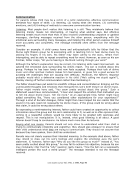
Cultic Studies Journal, Vol. 2 No. 1 1985, Page 71
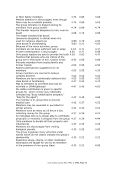
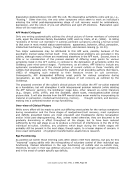
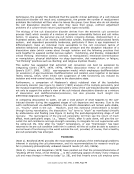
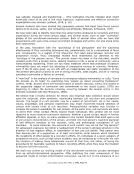
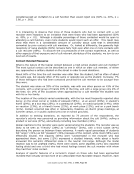
It is reasonable to conclude that those students who are contacted by cult members differ in
systematic ways from those not approached. But the differences between them are rather
subtle, more a matter of degree than of a qualitatiave nature. On some of the dimensions it
is readily apparent why they would be more ―approachable‖ -where they are more positive
about the purposes of cults, hold more positive stereotypes of typical cult members, are
more involved in religious and spiritual practices, and know something about cults. Their
poorer grades might reflect less interest in and rewards from school, therefore greater
readiness to get involved in extracurricular activities. Their desire for more exposure to
opposing points of view indicates an intellectual receptivity to new, different ideas rather
than a rigid, dogmatic refusal to consider them. However, their complex pattern of media
exposure is open to several alternative explanations, as are the findings of having fewer
brothers, and fathers in higher status occupations. Without additional data to help evaluate
those explanations, we choose to present the evidence at an empirical level, open for
illumination by subsequent research. Now we may turn to the next important issue in the
process by which a contact is made between cult recruiters and potential recruits and then
is intensified through further, more involving affiliation. Of all those contacted by a cult
member, which students were amenable to additional exposure and which ones were closed
to any further association?
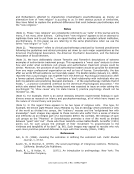
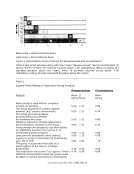
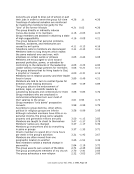
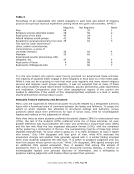
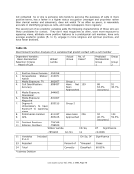
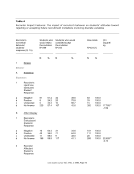
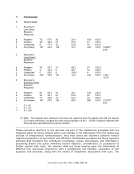
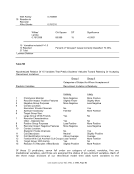
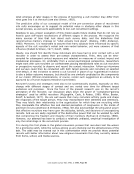
Table 3b
Hypothesized Relation of 11 variables that predict contact with a group member
Group I Group II
Categories of Subjects For Whom Contact With a Group
member is Relatively
Predictor Variables
Unlikely Likely
1. Positive Group Purpose Less positive More positive
2. Occupational Status: Father Less status More status
3. Media exposure: TV More exposure Less exposure
4. Cult Identification: Accuracy Average accuracy Above average
accuracy
5. Media exposure: Newspaper Less exposure More exposure
6. Media exposure: Magazine More exposure Less exposure
7. Dogma: 4: Unnecessary to
have exposure to opposing
views
Agree Disagree
8. Prototypical member More negative More positive
9. GPA Above average Average
10. Spiritual practices Low amount Medium amount
11. Siblings: brothers More Fewer
Variables Influencing Decisions for Cult Affiliation
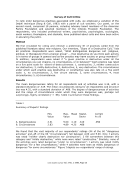
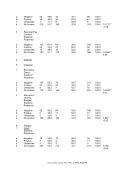
The next data set consists of chi square analyses of variables that bear a significant
relationship to the outcome measure of reject a future recruitment invitation versus
consider/accept such an inducement. The data were analyzed separately for: (a) those who
had been approached (N =523) by reject (N =289) and consider/accept (N =234), and
(b) those who had not been approached (N =389) by reject (N =154) and consider/accept
It is reasonable to conclude that those students who are contacted by cult members differ in
systematic ways from those not approached. But the differences between them are rather
subtle, more a matter of degree than of a qualitatiave nature. On some of the dimensions it
is readily apparent why they would be more ―approachable‖ -where they are more positive
about the purposes of cults, hold more positive stereotypes of typical cult members, are
more involved in religious and spiritual practices, and know something about cults. Their
poorer grades might reflect less interest in and rewards from school, therefore greater
readiness to get involved in extracurricular activities. Their desire for more exposure to
opposing points of view indicates an intellectual receptivity to new, different ideas rather
than a rigid, dogmatic refusal to consider them. However, their complex pattern of media
exposure is open to several alternative explanations, as are the findings of having fewer
brothers, and fathers in higher status occupations. Without additional data to help evaluate
those explanations, we choose to present the evidence at an empirical level, open for
illumination by subsequent research. Now we may turn to the next important issue in the
process by which a contact is made between cult recruiters and potential recruits and then
is intensified through further, more involving affiliation. Of all those contacted by a cult
member, which students were amenable to additional exposure and which ones were closed
to any further association?
Table 3b
Hypothesized Relation of 11 variables that predict contact with a group member
Group I Group II
Categories of Subjects For Whom Contact With a Group
member is Relatively
Predictor Variables
Unlikely Likely
1. Positive Group Purpose Less positive More positive
2. Occupational Status: Father Less status More status
3. Media exposure: TV More exposure Less exposure
4. Cult Identification: Accuracy Average accuracy Above average
accuracy
5. Media exposure: Newspaper Less exposure More exposure
6. Media exposure: Magazine More exposure Less exposure
7. Dogma: 4: Unnecessary to
have exposure to opposing
views
Agree Disagree
8. Prototypical member More negative More positive
9. GPA Above average Average
10. Spiritual practices Low amount Medium amount
11. Siblings: brothers More Fewer
Variables Influencing Decisions for Cult Affiliation
The next data set consists of chi square analyses of variables that bear a significant
relationship to the outcome measure of reject a future recruitment invitation versus
consider/accept such an inducement. The data were analyzed separately for: (a) those who
had been approached (N =523) by reject (N =289) and consider/accept (N =234), and
(b) those who had not been approached (N =389) by reject (N =154) and consider/accept