Cultic Studies Journal, Vol. 2 No. 1 1985, Page 67
place to live‖ (25%) ―to provide a finer, purer physical and moral environment‖ (21%) ―to
lessen cultural differences‖ (19%) ―to provide an alternative to employment and dead-end
jobs‖ (19%), and ―to strengthen the American family (13%). Many more respondents
believed cults had negative purposes. The three major purposes perceived by these high
school students were self-serving: ―to recruit new members‖ (75%) ―to make members
totally dependent on the group‖ (70%), and ―to raise money‖ (66%). Other negative goals
attributed to cults were: ―to ensure a source of power for the few in charge‖ (51%) ―to
destroy individual freedom‖ (37%) ―to rule the world‖ (37%), and ―to destroy the American
family‖ (29%). Three percent added on a fill-in open response that ―brainwashing‖ was a
primary purpose of cults.
These negative views are less likely to be the result of personal experience than of mediated
experience derived from the mass media. There is little overall difference in the negative
stereotype of cults held by those who have never had any contact with a cult recruiter and
those who have. When media exposure is analyzed, we find students reporting that the
information they received was disproportionately negative. Radio, TV, newspapers, and
magazines are each perceived by about three-fourths of the respondents as providing
negative information on cults. Only 11% to 14% of the students report getting some
positive information from any of these sources. Incidentally, the entire sample is one that is
highly exposed to media input. Radio is listened to daily by about 91% of the students, and
at least once/twice a week by the rest. Next most exposure is to TV, which is viewed daily
by 67% of the students, and at least once/twice a week by another 33%. Fifty-one percent
report reading a newspaper daily, while another third say they read a paper once/twice a
week. Magazines are read daily by 14% of the sample, and once/twice a week by an
additional 86% of the students.
A smaller number of students reported receiving knowledge about cults from direct
experience. Sixteen said they were currently members of a cult, while 15 more reported
being ex-members. Information on cults was also said to come from ex-cult members (N =
73, 62% of it negative), from cult members (N =104, 61% of it positive), a friend or
relative (N =293, 59% of it negative), a lecture or discussion at school (N =318, 70% of it
negative). Thus from both mediated and direct channels of communication, students get a
largely negative characterization of cults.
Student Predispositons
Assessment of type and extent of religious practices and spiritual/mystical experiences was
determined by a check list that inquired how of ten each of a number of events or activities
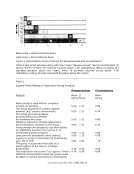
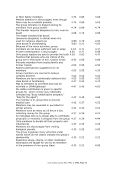
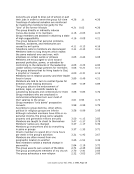
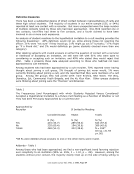
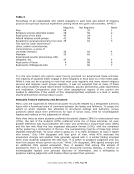
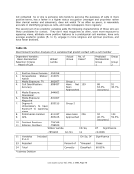
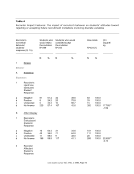
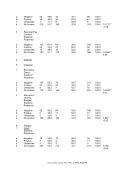
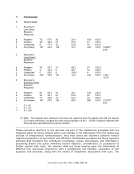
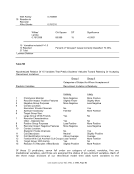
had been engaged in by the student. Table 2 summarizes these data on religious practices.
place to live‖ (25%) ―to provide a finer, purer physical and moral environment‖ (21%) ―to
lessen cultural differences‖ (19%) ―to provide an alternative to employment and dead-end
jobs‖ (19%), and ―to strengthen the American family (13%). Many more respondents
believed cults had negative purposes. The three major purposes perceived by these high
school students were self-serving: ―to recruit new members‖ (75%) ―to make members
totally dependent on the group‖ (70%), and ―to raise money‖ (66%). Other negative goals
attributed to cults were: ―to ensure a source of power for the few in charge‖ (51%) ―to
destroy individual freedom‖ (37%) ―to rule the world‖ (37%), and ―to destroy the American
family‖ (29%). Three percent added on a fill-in open response that ―brainwashing‖ was a
primary purpose of cults.
These negative views are less likely to be the result of personal experience than of mediated
experience derived from the mass media. There is little overall difference in the negative
stereotype of cults held by those who have never had any contact with a cult recruiter and
those who have. When media exposure is analyzed, we find students reporting that the
information they received was disproportionately negative. Radio, TV, newspapers, and
magazines are each perceived by about three-fourths of the respondents as providing
negative information on cults. Only 11% to 14% of the students report getting some
positive information from any of these sources. Incidentally, the entire sample is one that is
highly exposed to media input. Radio is listened to daily by about 91% of the students, and
at least once/twice a week by the rest. Next most exposure is to TV, which is viewed daily
by 67% of the students, and at least once/twice a week by another 33%. Fifty-one percent
report reading a newspaper daily, while another third say they read a paper once/twice a
week. Magazines are read daily by 14% of the sample, and once/twice a week by an
additional 86% of the students.
A smaller number of students reported receiving knowledge about cults from direct
experience. Sixteen said they were currently members of a cult, while 15 more reported
being ex-members. Information on cults was also said to come from ex-cult members (N =
73, 62% of it negative), from cult members (N =104, 61% of it positive), a friend or
relative (N =293, 59% of it negative), a lecture or discussion at school (N =318, 70% of it
negative). Thus from both mediated and direct channels of communication, students get a
largely negative characterization of cults.
Student Predispositons
Assessment of type and extent of religious practices and spiritual/mystical experiences was
determined by a check list that inquired how of ten each of a number of events or activities
had been engaged in by the student. Table 2 summarizes these data on religious practices.