Cultic Studies Journal, Vol. 2 No. 1 1985, Page 73
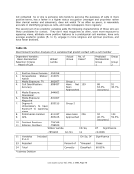
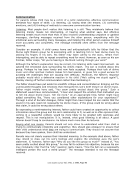
Knowledge of terminology attributed to new age groups by experts is found to be one of the
determinants of accepting/rejecting prospective inducements. But, it is a case of less
knowledge leading to greater receptivity, or of move knowledge resulting in rejecting cult
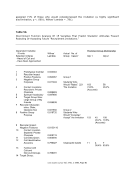
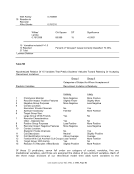
invitations. Among those not approached, having heard about ―cults‖, ―communes,‖ and
―sects‖ reduces the likelihood of affiliation relative to those students with less knowledge (p
values between p .05 and p .001). A similar set of results holds for those approached,
but they are not statistically significant. Indeed, those previously contacted, who have
acquired a vocabulary of terms related to cults and new religious movements are most likely
to reject affiliation with a cult.
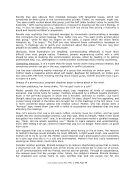
The knowledge students develop about cults often comes packaged with a strong evaluative
component. Therefore, we must consider the Impact of mediated and direct channels of
communication on decisions to reject or accept cult invitations in terms of the positive-
negative nature of that information. In general, students are more likely to be receptive to
cult affiliation where they perceive the information they have gotten from the media is
positive toward cults, while those who believe cults are portrayed negatively tend to reject
the invitation. This pattern is significant for TV, radio, and newspaper presentations as
judged by those not approached (p values between .05 and .001), marginally so for
magazines. Those with contact are most likely to reject the cult invitation where the radio
programs they listen to are negative toward cults (p .05). They tend to be more rejecting
regardless of how cults are presented on TV, in newspapers, or magazines. Where books
they read and other media they are exposed to (leaflets, posters, etc.) are anti-cult,
rejection is more likely, while acceptance Is greater among students who are exposed to
pro-cult views in those media (p .05). It is not possible to determine any causal direction
in these results since: a) there may be selective exposure to biased points of view that fit
the student‘s already formed attitudes, b) those attributes may lead to distortion of an
assimilative nature in evaluating the position of certain media, or c) media evaluations of
cults may influence both student attitudes and their decisions to accept/reject a cult
invitation.
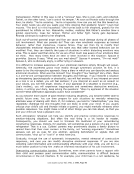
A fair number of students have had some direct information about cults, that is, delivered
by other people. Among those not approached, the most powerful effect of information bias
on affiliation decision is that from friends or relatives. The majority of students who report
those portrayals as negative reject the invitation (57%), while more of those receiving
positive cult views accept the invitation (60%) (p .05). There is also a tendency to accept
the invitation by students not approached if one of their friends or relatives is positive about
cults. But negative information from such sources does not influence their decisions to
either accept or reject the invitation.
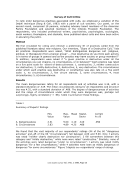
Contact variables exert a strong impact on a student‘s expressed desire to accept or
consider a cult invitation. The greater the number of prior contacts with cult members, the
larger the percentage of students who are open to further affiliation (p .05). If the initial
contact was effective in getting the student actually to go to a second event, she/he
becomes more willing to endorse the Idea of attending some future event. Although not
many students did attend an event suggested by the cult member who contacted them,
doing so reduced their resistance to further affiliation. For example, of the 41 students who
went to a general introductory meeting, 31, or 76%, would accept the hypothetical
invitation, in contrast to the 58@, of the 482 contacted students who did not go to that
event and who rejected the invitation (p .001). Similarly positive decisions were made by
those who went to a lecture (15/18, 83%, p .01), film (8/9, 89%, p .05), camp
meeting (10/15, 67%, n.s.), dinner (8/13), 62%, n.s.), or workshop (9/16, 56%., n.s.).
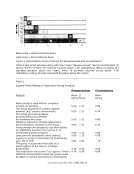
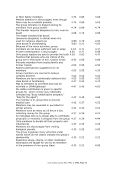
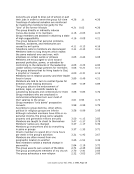
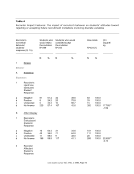
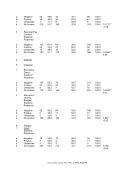
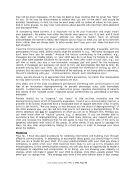
Where the contact took place and the recruiter‘s activities, dress, and behavioral style all
affected the student‘s decisions to accept/reject a cult invitation. The greatest facilitation of
acceptance to further affiliation occurred when the initial contact location was either one of
Knowledge of terminology attributed to new age groups by experts is found to be one of the
determinants of accepting/rejecting prospective inducements. But, it is a case of less
knowledge leading to greater receptivity, or of move knowledge resulting in rejecting cult
invitations. Among those not approached, having heard about ―cults‖, ―communes,‖ and
―sects‖ reduces the likelihood of affiliation relative to those students with less knowledge (p
values between p .05 and p .001). A similar set of results holds for those approached,
but they are not statistically significant. Indeed, those previously contacted, who have
acquired a vocabulary of terms related to cults and new religious movements are most likely
to reject affiliation with a cult.
The knowledge students develop about cults often comes packaged with a strong evaluative
component. Therefore, we must consider the Impact of mediated and direct channels of
communication on decisions to reject or accept cult invitations in terms of the positive-
negative nature of that information. In general, students are more likely to be receptive to
cult affiliation where they perceive the information they have gotten from the media is
positive toward cults, while those who believe cults are portrayed negatively tend to reject
the invitation. This pattern is significant for TV, radio, and newspaper presentations as
judged by those not approached (p values between .05 and .001), marginally so for
magazines. Those with contact are most likely to reject the cult invitation where the radio
programs they listen to are negative toward cults (p .05). They tend to be more rejecting
regardless of how cults are presented on TV, in newspapers, or magazines. Where books
they read and other media they are exposed to (leaflets, posters, etc.) are anti-cult,
rejection is more likely, while acceptance Is greater among students who are exposed to
pro-cult views in those media (p .05). It is not possible to determine any causal direction
in these results since: a) there may be selective exposure to biased points of view that fit
the student‘s already formed attitudes, b) those attributes may lead to distortion of an
assimilative nature in evaluating the position of certain media, or c) media evaluations of
cults may influence both student attitudes and their decisions to accept/reject a cult
invitation.
A fair number of students have had some direct information about cults, that is, delivered
by other people. Among those not approached, the most powerful effect of information bias
on affiliation decision is that from friends or relatives. The majority of students who report
those portrayals as negative reject the invitation (57%), while more of those receiving
positive cult views accept the invitation (60%) (p .05). There is also a tendency to accept
the invitation by students not approached if one of their friends or relatives is positive about
cults. But negative information from such sources does not influence their decisions to
either accept or reject the invitation.
Contact variables exert a strong impact on a student‘s expressed desire to accept or
consider a cult invitation. The greater the number of prior contacts with cult members, the
larger the percentage of students who are open to further affiliation (p .05). If the initial
contact was effective in getting the student actually to go to a second event, she/he
becomes more willing to endorse the Idea of attending some future event. Although not
many students did attend an event suggested by the cult member who contacted them,
doing so reduced their resistance to further affiliation. For example, of the 41 students who
went to a general introductory meeting, 31, or 76%, would accept the hypothetical
invitation, in contrast to the 58@, of the 482 contacted students who did not go to that
event and who rejected the invitation (p .001). Similarly positive decisions were made by
those who went to a lecture (15/18, 83%, p .01), film (8/9, 89%, p .05), camp
meeting (10/15, 67%, n.s.), dinner (8/13), 62%, n.s.), or workshop (9/16, 56%., n.s.).
Where the contact took place and the recruiter‘s activities, dress, and behavioral style all
affected the student‘s decisions to accept/reject a cult invitation. The greatest facilitation of
acceptance to further affiliation occurred when the initial contact location was either one of