Cultic Studies Journal, Vol. 2 No. 1 1985, Page 47
including ideas of influence and reference, or even some auditory, olfactory, or visual
hallucinations. Furthermore, depersonalization and derealization are seen in almost all ex-
cultists. Therefore, some comments regarding differential diagnosis of schizophrenia and
the cult dissociative disorder are in order.
Since no writer has yet provided any demarcation between schizophrenia and the cult
dissociative disorder, perhaps Beahr‘s (1982) differentiation between schizophrenia and the
multiple personality would shed some light. In contrast to the schizophrenic, the multiple
will demonstrate times of coherence and no loosening of associations. Even when multiples
―hear voices they are coherent,‖ and they frequently ―report severe to extreme adverse
reactions to all neuroleptics tried‖ (p. 91). Likewise, the cult dissociatives never
demonstrate loosening of associations or incoherence and their transitory delusions and/or
hallucinations are logically consistent with their (ex-) cult life experiences. In contrast to the
symbiotic phychosis (p. 166), the cult dissociative‘s reality testing may be impaired, but
never is it totally absent.
Unfortunately, the medication picture is not as clear, as will be seen in ―Part 11‖ to follow.
In essence, while some authors have suggested that psychotropic medication, including
anti-psychotics, have proven helpful, Clark (in AFF) advised much discretionary caution
because ―ex-members respond to medications more rapidly (and sometimes more
adversely) than one would normally expect‖ (p. 79). Therefore, in this regard the cult
dissociative once again resembles the borderline more than the multiple.
In summary then, until future research can clarify the issue, Beahrs‘ differentiation between
the multiple personality and the schizophrenic may be adapted for a ―quick and dirty‖
differentiation between the cult
dissociative and the schizophrenic. In contrast to schizophrenia, both the multiple and the
(ex-) cultist demonstrate no loosening or incoherence and both respond differently to anti-
psychotic medication: the multiple more adversely and the cult dissociative possibly more
rapidly.
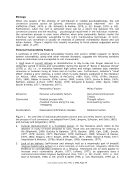
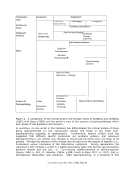
Narcissistic personality disorder. The clinical picture of the narcissistic personality disorder
(DSM-111 #301.81) and the cult dissociative disorder as described throughout the bulk of
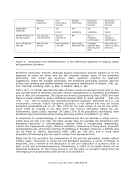
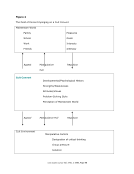
this paper look almost nothing alike. However, when their similar underlying core ego
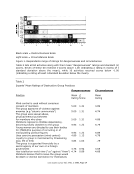
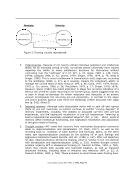
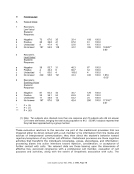
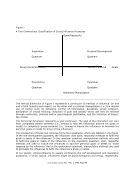
structures are compared (see Figure 4), one begins to see the opposing clinical pictures as
mirror opposites! Both are stable dissociative disorders that utilize projective identification.
The key difference is what they want reinforced by others. While the narcissist wants others
to mirror and confirm just how great he is (Masterson, 1981, pp. 21-24, 31, 60-63), the
cultist seeks someone to idolize, someone to be the ideal, powerful father they never had
(see ―Personal Vulnerability‖ family factors and ―Borderline personality disorder‖ sections
above).
The implications are obvious. While many cult leaders undoubtedly are psychopathic
characters who joined to seek power (Clark, 1979b, p. 96), many other leaders are probably
functional narcissistic personalities who either joined or started their group in order to gain
adoration. Furthermore, it would not be unreasonable to see some with both narcissistic and
psychopathic traits (Masterson, 1981, p. 48). although psychopaths are more antisocial and
show less regard for others (Masterson, 1981, PP. 40-48), whereas the pure narcissistic cult
leader would care very much what his followers thought of him (e.g., an inability to tolerate
those having less than ideal thoughts of him).
On the other hand, because some narcissistic personalities serve as defenses against
underlying core borderline personality structures (Masterson, 1981, pp. 28-32), it would not
be surprising to see individuals who were initially converted via the dissociative path
develop into functional narcissistic personalities after attaining leadership status. Perhaps
including ideas of influence and reference, or even some auditory, olfactory, or visual
hallucinations. Furthermore, depersonalization and derealization are seen in almost all ex-
cultists. Therefore, some comments regarding differential diagnosis of schizophrenia and
the cult dissociative disorder are in order.
Since no writer has yet provided any demarcation between schizophrenia and the cult
dissociative disorder, perhaps Beahr‘s (1982) differentiation between schizophrenia and the
multiple personality would shed some light. In contrast to the schizophrenic, the multiple
will demonstrate times of coherence and no loosening of associations. Even when multiples
―hear voices they are coherent,‖ and they frequently ―report severe to extreme adverse
reactions to all neuroleptics tried‖ (p. 91). Likewise, the cult dissociatives never
demonstrate loosening of associations or incoherence and their transitory delusions and/or
hallucinations are logically consistent with their (ex-) cult life experiences. In contrast to the
symbiotic phychosis (p. 166), the cult dissociative‘s reality testing may be impaired, but
never is it totally absent.
Unfortunately, the medication picture is not as clear, as will be seen in ―Part 11‖ to follow.
In essence, while some authors have suggested that psychotropic medication, including
anti-psychotics, have proven helpful, Clark (in AFF) advised much discretionary caution
because ―ex-members respond to medications more rapidly (and sometimes more
adversely) than one would normally expect‖ (p. 79). Therefore, in this regard the cult
dissociative once again resembles the borderline more than the multiple.
In summary then, until future research can clarify the issue, Beahrs‘ differentiation between
the multiple personality and the schizophrenic may be adapted for a ―quick and dirty‖
differentiation between the cult
dissociative and the schizophrenic. In contrast to schizophrenia, both the multiple and the
(ex-) cultist demonstrate no loosening or incoherence and both respond differently to anti-
psychotic medication: the multiple more adversely and the cult dissociative possibly more
rapidly.
Narcissistic personality disorder. The clinical picture of the narcissistic personality disorder
(DSM-111 #301.81) and the cult dissociative disorder as described throughout the bulk of
this paper look almost nothing alike. However, when their similar underlying core ego
structures are compared (see Figure 4), one begins to see the opposing clinical pictures as
mirror opposites! Both are stable dissociative disorders that utilize projective identification.
The key difference is what they want reinforced by others. While the narcissist wants others
to mirror and confirm just how great he is (Masterson, 1981, pp. 21-24, 31, 60-63), the
cultist seeks someone to idolize, someone to be the ideal, powerful father they never had
(see ―Personal Vulnerability‖ family factors and ―Borderline personality disorder‖ sections
above).
The implications are obvious. While many cult leaders undoubtedly are psychopathic
characters who joined to seek power (Clark, 1979b, p. 96), many other leaders are probably
functional narcissistic personalities who either joined or started their group in order to gain
adoration. Furthermore, it would not be unreasonable to see some with both narcissistic and
psychopathic traits (Masterson, 1981, p. 48). although psychopaths are more antisocial and
show less regard for others (Masterson, 1981, PP. 40-48), whereas the pure narcissistic cult
leader would care very much what his followers thought of him (e.g., an inability to tolerate
those having less than ideal thoughts of him).
On the other hand, because some narcissistic personalities serve as defenses against
underlying core borderline personality structures (Masterson, 1981, pp. 28-32), it would not
be surprising to see individuals who were initially converted via the dissociative path
develop into functional narcissistic personalities after attaining leadership status. Perhaps