Cultic Studies Journal, Vol. 2 No. 1 1985, Page 22
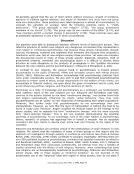
not necessarily the same as ―psychological well-being‖. Galanter says that the relief effect
comes from the perception of availability of social support and cognitive guidance in
mastering stress (p. 1201). Even if this were true, it still does not rule out the presence of
psychopathological defense mechanisms, which aid in bringing about this perception of well-
being, through denial and dissociation. Moreover, Galanter cannot deny that self-report
questionnaires, such as the General Well-Being Schedule and Neurotic Distress Scale, are
dreadfully easy to fake, thereby making both conscious and unconscious forms of denial
possible sources of error here.
In using the more powerful Minnesota Multiphasic Personality Inventory (MMPI) Ross (1983)
and Ungerleider and Wellisch (1979b) both found support for the notion that cultists tend to
―fake good‖ via elevations on certain validity scales (Ungerleider and Wellisch found L high,
Ross found K high). Therefore, the lack of elevation on the MMPI clinical scales for the
cultists in these two studies cannot be taken as proof of the absence of psychopathology,
for as Ungerleider and Wellisch themselves noted, ―it is likely that many of the in-group‘s
(scales) would have been elevated had they not consciously skewed their responses‖ (p.
281).
Finally, dissociative disorders, of which the author believes the cultic personality to be a
type, quite often do show ―normality‖ on objective tests such as the MMPI, while also
exhibiting psychopathology on projective tests such as the Rorschach, TAT, or drawings,
e.g., borderline personality disorder (Gunderson &Singer, 1975 Stone, 1980, pp. 264-270
Tibe, 1979, pp. 14-15 18-20, 29-33 Weinger, 1966, pp. 404-405). Therefore, it should
come as no surprise that the only two studies which did use projectives did find
psychopathology in cult devotees (Deutsch &Miller, 1983 Spero, 1982). Furthermore,
Spero specifically found much evidence of ―frank borderline-type (dissociative) phenomena‖
(p. 335) operating in the ego defenses of 37% of his cult devotees.
In conclusion, the egalitarians‘ use of the actuarial studies of cult devotees to ―prove‖ an
absence of psychopathology is highly questionable: the studies reflected the cultists‘
tendency to avoid acknowledgement of psychological problems the self-report
questionnaires employed in the studies were easily ―fakeable‖ (General Well-Being Schedule
&Neurotic Distress Scale) or had questionable validity due to the faking response set
(MMPI) and the studies under consideration ignored two other studies which used
projective testing and did show evidence of psychopathology.
Regarding the presence of problems in ex-cultists, egalitarians declare that the vast
majority left voluntarily, Implying that these individuals suffer no, or at least fewer,
problems. Additionally, they call cult critics to task for the lack of statistical data supporting
the prevalence of ex-cultist problems (e.g., Saliba, 1985, p. 44). Nonetheless, much clinical
evidence, such as that which will be presented in this paper, ―suggests that the prevalence
of harm is substantial, although not necessarily normative or the same from group to
group‖ (Langone, 1984, p. 66). In fact, the only available study which examined the
prevalence of harm (Galanter, 1983b) found 36% of ex-Moonies (71% of whom had clearly
departed voluntarily) experienced ―serious emotional problems after leaving,‖ problems that
continued for an average of 3.8 years (p. 984). Furthermore, the General Well-Being
Schedule used in this study (the Neurotic Distress Scale was not employed) is not able to
detect emotional problems not labeled ―serious‖ by this self-report method. Therefore,
actual prevalence of psychological problems as measured by more powerful psychological
assessment techniques could conceivably result in an even higher prevalence rate.
Lately, egalitarians have begun to concede that there are (or can be) problems which
surface when individuals leave the newer cult groups, but they also insist that these
problems are ―cult-related,‖ not cult caused (Robbins, 1984 Saliba, 1985), and they usually
relegate them to problems of adjustment akin to the culture shock missionaries experience
not necessarily the same as ―psychological well-being‖. Galanter says that the relief effect
comes from the perception of availability of social support and cognitive guidance in
mastering stress (p. 1201). Even if this were true, it still does not rule out the presence of
psychopathological defense mechanisms, which aid in bringing about this perception of well-
being, through denial and dissociation. Moreover, Galanter cannot deny that self-report
questionnaires, such as the General Well-Being Schedule and Neurotic Distress Scale, are
dreadfully easy to fake, thereby making both conscious and unconscious forms of denial
possible sources of error here.
In using the more powerful Minnesota Multiphasic Personality Inventory (MMPI) Ross (1983)
and Ungerleider and Wellisch (1979b) both found support for the notion that cultists tend to
―fake good‖ via elevations on certain validity scales (Ungerleider and Wellisch found L high,
Ross found K high). Therefore, the lack of elevation on the MMPI clinical scales for the
cultists in these two studies cannot be taken as proof of the absence of psychopathology,
for as Ungerleider and Wellisch themselves noted, ―it is likely that many of the in-group‘s
(scales) would have been elevated had they not consciously skewed their responses‖ (p.
281).
Finally, dissociative disorders, of which the author believes the cultic personality to be a
type, quite often do show ―normality‖ on objective tests such as the MMPI, while also
exhibiting psychopathology on projective tests such as the Rorschach, TAT, or drawings,
e.g., borderline personality disorder (Gunderson &Singer, 1975 Stone, 1980, pp. 264-270
Tibe, 1979, pp. 14-15 18-20, 29-33 Weinger, 1966, pp. 404-405). Therefore, it should
come as no surprise that the only two studies which did use projectives did find
psychopathology in cult devotees (Deutsch &Miller, 1983 Spero, 1982). Furthermore,
Spero specifically found much evidence of ―frank borderline-type (dissociative) phenomena‖
(p. 335) operating in the ego defenses of 37% of his cult devotees.
In conclusion, the egalitarians‘ use of the actuarial studies of cult devotees to ―prove‖ an
absence of psychopathology is highly questionable: the studies reflected the cultists‘
tendency to avoid acknowledgement of psychological problems the self-report
questionnaires employed in the studies were easily ―fakeable‖ (General Well-Being Schedule
&Neurotic Distress Scale) or had questionable validity due to the faking response set
(MMPI) and the studies under consideration ignored two other studies which used
projective testing and did show evidence of psychopathology.
Regarding the presence of problems in ex-cultists, egalitarians declare that the vast
majority left voluntarily, Implying that these individuals suffer no, or at least fewer,
problems. Additionally, they call cult critics to task for the lack of statistical data supporting
the prevalence of ex-cultist problems (e.g., Saliba, 1985, p. 44). Nonetheless, much clinical
evidence, such as that which will be presented in this paper, ―suggests that the prevalence
of harm is substantial, although not necessarily normative or the same from group to
group‖ (Langone, 1984, p. 66). In fact, the only available study which examined the
prevalence of harm (Galanter, 1983b) found 36% of ex-Moonies (71% of whom had clearly
departed voluntarily) experienced ―serious emotional problems after leaving,‖ problems that
continued for an average of 3.8 years (p. 984). Furthermore, the General Well-Being
Schedule used in this study (the Neurotic Distress Scale was not employed) is not able to
detect emotional problems not labeled ―serious‖ by this self-report method. Therefore,
actual prevalence of psychological problems as measured by more powerful psychological
assessment techniques could conceivably result in an even higher prevalence rate.
Lately, egalitarians have begun to concede that there are (or can be) problems which
surface when individuals leave the newer cult groups, but they also insist that these
problems are ―cult-related,‖ not cult caused (Robbins, 1984 Saliba, 1985), and they usually
relegate them to problems of adjustment akin to the culture shock missionaries experience