Cultic Studies Journal, Vol. 2 No. 1 1985, Page 27
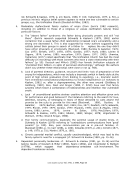
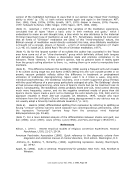
This isolation from the world, family, friends, and self serves to separate one from his
ordinary frame of reference (Appel, 1983, p. 164 Conway &Siegelman, 1978, pp. 155-
156 Stoner &Parke, p. 263-264), thereby decreasing one‘s base for autonomous reality
testing, as well as promoting a state of narrowed focus of attention, which can be a
manifestation of dissociation (Clark, 179b, p. 103) and a contributor to heightened
suggestibility for later indoctrination. The cult‘s closed system with its rigid boundaries
perpetuates the isolation beyond the conversion proper, thereby aiding the cult in its
retention of its members by maintaining them in their dissociative state of mind (cf. Enroth,
1977, pp. 172-173 Galanter, 1983a, P. 988).
2. Induction of a dissociative state via:
a. Information control, overload, and manipulation --‖information overload‖
(Edwards, 1979 cf. Appel, 1983, pp. 123, 136) via ―intense group pressure,
endless lectures, lies ...singing, chanting and a constant barrage of the kinds of
rhetoric which capture young, idealistic minds‖ (Clark, 1979b, p. 81) or double-
bind communication (Appel, 1983, pp. 100-106) and other language
manipulation, including provision of a new language (Clark, 1978, 1979b
Deutsch, 1980 Enroth, 1977 Roche, 1979 Schwartz &Kaslow, 1981 Singer,
1980 Stoner &Parke, 1977)
b. Emotional overstimulation and/or manipulation --‖gutwashing‖ (Burtner,
1980) and classical conditioning through intense emotional stimulation,
particularly ―sudden, extreme, and unexpected states of high emotion‖ (Verdier,
1977, p. 83) e.g., ―love-bombing‖ (cf. ―search for love‖ references in
vulnerability section above) or the manipulation of negative emotions such as
guilt or shame, e.g., the eliciting of confessions (AFF, 1983 Blackwell, 1980
Burtner, 1980 Clark, 1977, 1979b Envoth, 1977, 1979 Etemad, 1978 Lifton,
1961 Sargant, 1951 Schwartz &Kaslow, 1979 Shapiro, 1977 Spero, 1977,
1980, 1982 Stoner &Parke, 1977 West &Singer, 1980 Yamamoto, 1977), fear
(Burtner, 1980 Clark, 1977, 1979b Enroth, 1977, 1978 Etemad, 1978
MacCollam, 1979 Sargant, 1951 Schwartz &Zemel, 1980 Shapiro, 1977
Verdier, 1977). and doubt ,(or anxiety ,insecurity ,and uncertainty--Appel,
1983 Enroth, 1977 Pattison, Llamas, &Hurd, 1979 Sargant, 1951 Spero,
1977, 1980, 1982 Verdier, 1977 West &Singer, 1980).
c. Physical debilitation via sleep deprivation (Appel, 1983 Burtner, 1980 CFF,
1981 Clark, 1977, 1978, 1979b Conway &Siegelman, 1978 Enroth, 1977,
1979 Etemad, 1978 Levine, 1980 MacCollam, 1979 Schwartz &lsser, 1979
Schwartz &Zemel, 1980 Shapiro, 1977 Verdier, 1977), diet manipulation
(Appel, 1983 Burtner, 1980 CFF, 1981 Clark, 1978, 1979b Conway &
Siegelman, 1978 Enroth, 1977 Etemad, 1978 Lifton, 1961 MacCollam, 1978
Roche, 1979 Spero, 1977 Stoner &Parke, 1977 West &Singer, 1980), and
fatigue from constant activity (Blackwell, 1980 Carr, 1981 Clark, 1977, 1978,
1979b Conway &Siegelman, 1978 Galanter, 1979 Galper in A versa, 1976
Levine, 1980 MacCollam, 1978 Roche, 1979 Sargant, 1951 Schwartz &
Kaslow, 1979, 1981 Spero, 1977, 1980 West &Singer, 1980 Yamamoto,
1977). For Verdier (1977) ―the essential core of the hypnotic phenomenon‖ is an
increase in suggestibility brought on by activation of muscle senses that inhibits
activity in the cerebral cortex, which usually performs the normal, analytic,
thinking function of the brain (pp. 54, 61-62). Verdier sees brainwashing as
―deeper and more permanent‖ than hypnosis, ―a truly profound state of
disinhibition‖ where ―the cortex is more or less completely by-passed‖ because it
utilizes both activation of the muscle senses and the visceral senses via intense
emotional stimulation (p. 81). He is supported by several others who believe
This isolation from the world, family, friends, and self serves to separate one from his
ordinary frame of reference (Appel, 1983, p. 164 Conway &Siegelman, 1978, pp. 155-
156 Stoner &Parke, p. 263-264), thereby decreasing one‘s base for autonomous reality
testing, as well as promoting a state of narrowed focus of attention, which can be a
manifestation of dissociation (Clark, 179b, p. 103) and a contributor to heightened
suggestibility for later indoctrination. The cult‘s closed system with its rigid boundaries
perpetuates the isolation beyond the conversion proper, thereby aiding the cult in its
retention of its members by maintaining them in their dissociative state of mind (cf. Enroth,
1977, pp. 172-173 Galanter, 1983a, P. 988).
2. Induction of a dissociative state via:
a. Information control, overload, and manipulation --‖information overload‖
(Edwards, 1979 cf. Appel, 1983, pp. 123, 136) via ―intense group pressure,
endless lectures, lies ...singing, chanting and a constant barrage of the kinds of
rhetoric which capture young, idealistic minds‖ (Clark, 1979b, p. 81) or double-
bind communication (Appel, 1983, pp. 100-106) and other language
manipulation, including provision of a new language (Clark, 1978, 1979b
Deutsch, 1980 Enroth, 1977 Roche, 1979 Schwartz &Kaslow, 1981 Singer,
1980 Stoner &Parke, 1977)
b. Emotional overstimulation and/or manipulation --‖gutwashing‖ (Burtner,
1980) and classical conditioning through intense emotional stimulation,
particularly ―sudden, extreme, and unexpected states of high emotion‖ (Verdier,
1977, p. 83) e.g., ―love-bombing‖ (cf. ―search for love‖ references in
vulnerability section above) or the manipulation of negative emotions such as
guilt or shame, e.g., the eliciting of confessions (AFF, 1983 Blackwell, 1980
Burtner, 1980 Clark, 1977, 1979b Envoth, 1977, 1979 Etemad, 1978 Lifton,
1961 Sargant, 1951 Schwartz &Kaslow, 1979 Shapiro, 1977 Spero, 1977,
1980, 1982 Stoner &Parke, 1977 West &Singer, 1980 Yamamoto, 1977), fear
(Burtner, 1980 Clark, 1977, 1979b Enroth, 1977, 1978 Etemad, 1978
MacCollam, 1979 Sargant, 1951 Schwartz &Zemel, 1980 Shapiro, 1977
Verdier, 1977). and doubt ,(or anxiety ,insecurity ,and uncertainty--Appel,
1983 Enroth, 1977 Pattison, Llamas, &Hurd, 1979 Sargant, 1951 Spero,
1977, 1980, 1982 Verdier, 1977 West &Singer, 1980).
c. Physical debilitation via sleep deprivation (Appel, 1983 Burtner, 1980 CFF,
1981 Clark, 1977, 1978, 1979b Conway &Siegelman, 1978 Enroth, 1977,
1979 Etemad, 1978 Levine, 1980 MacCollam, 1979 Schwartz &lsser, 1979
Schwartz &Zemel, 1980 Shapiro, 1977 Verdier, 1977), diet manipulation
(Appel, 1983 Burtner, 1980 CFF, 1981 Clark, 1978, 1979b Conway &
Siegelman, 1978 Enroth, 1977 Etemad, 1978 Lifton, 1961 MacCollam, 1978
Roche, 1979 Spero, 1977 Stoner &Parke, 1977 West &Singer, 1980), and
fatigue from constant activity (Blackwell, 1980 Carr, 1981 Clark, 1977, 1978,
1979b Conway &Siegelman, 1978 Galanter, 1979 Galper in A versa, 1976
Levine, 1980 MacCollam, 1978 Roche, 1979 Sargant, 1951 Schwartz &
Kaslow, 1979, 1981 Spero, 1977, 1980 West &Singer, 1980 Yamamoto,
1977). For Verdier (1977) ―the essential core of the hypnotic phenomenon‖ is an
increase in suggestibility brought on by activation of muscle senses that inhibits
activity in the cerebral cortex, which usually performs the normal, analytic,
thinking function of the brain (pp. 54, 61-62). Verdier sees brainwashing as
―deeper and more permanent‖ than hypnosis, ―a truly profound state of
disinhibition‖ where ―the cortex is more or less completely by-passed‖ because it
utilizes both activation of the muscle senses and the visceral senses via intense
emotional stimulation (p. 81). He is supported by several others who believe