Cultic Studies Journal, Vol. 2 No. 1 1985, Page 13
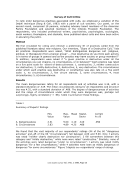
Survey of Cult Critics
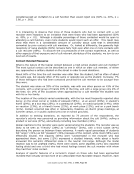
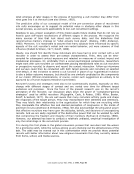
To rank order dangerous practices associated with cults, we employed a variation of the
Delphi technique (Borg &Gall, 1983) with a panel of cult watchers. Our panel, on the
second round, comprised 19 persons, including advisory board members of the American
Family Foundation and selected members of the Citizens Freedom Foundation. The
respondents, who included professional writers, psychiatrists, psychologists, sociologists,
social workers, theologians, and students, have published about cults and have been active
in educating the public.
Method
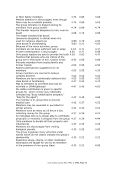
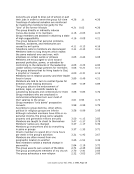
We first circulated for rating and criticism a preliminary II! of practices culled from the
published literature about new religions. Our inventory, ―Signs of a Destructive Cult,‖ lists
60 practices. Respondents were asked, ―What distinguishes dangerous cult (religious,
political, or therapeutic) from a benign group? ...How destructive do you think each activity
is in terms of groups in general and as the practice may harm society or group members?‖
In addition, respondents were asked if ―a given practice is destructive under all the
circumstances you can imagine, no circumstances, or In between?‖ Each practice was rated
on a five point scale for extent of destructiveness: 1, constructive 2, neither constructive
nor destructive 3, mildly destructive 4, destructive 5, very destructive. The circumstances
under which each practice was destructive or constructive was also rate on a five point
scale: 1, no circumstances 2, few circum stances 3, some circumstances 4, most
circumstances 5, a] circumstances.
Results
The mean dangerousness rating for all respondents and a] activities was 4.19, with a
standard deviation of .619. The mean circumstances rating for all respondents and all active
ties was 4.25, with a standard deviation of .486. The degree of dangerousness of activities
and the range of circumstances under which they were dangerous was, perhaps not
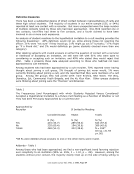
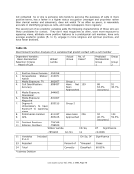
surprisingly, highly correlated (r =.96). Table I summarize! these findings.
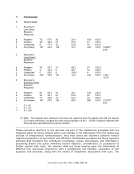
Table I
Summary of Experts‘ Ratings
Min. Max. Mean Stand. Correlt
Value Value Devtn A x B
A. Dangerousness 2.31 5.00 4.19 .619 .956
B. Circumstances 2.83 4.89 4.25 .486
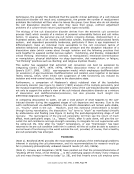
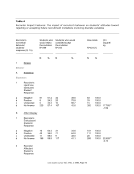
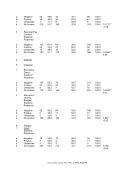
We found that the vast majority of our respondents‘ ratings (44 of the 60 ―dangerous
activities‖ and,,45 of the 60 ―circumstances‖) fell between 4.00 and 5.00. Only I activity
was rated ―neither clearly destructive nor constructive‖ 3 fell somewhere between this
category and ―mildly destructive,‖ while none were rated ―constructive.‖ Similarly, none of
the activities were rated dangerous ―under no circumstances‖ I activity was rated mildly
dangerous ―for a few circumstances,‖ while 4 activities were seen as mildly dangerous or
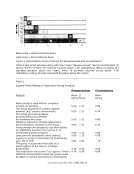
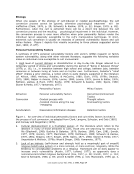
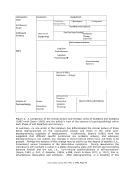
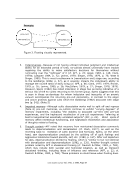
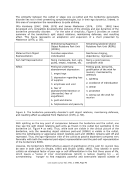
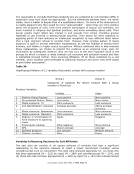
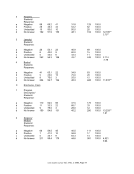
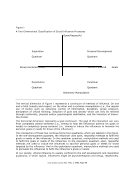
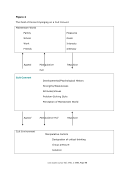
dangerous ―for some circumstances.‖ Figure I depicts our respondents‘ range of ratings.
Survey of Cult Critics
To rank order dangerous practices associated with cults, we employed a variation of the
Delphi technique (Borg &Gall, 1983) with a panel of cult watchers. Our panel, on the
second round, comprised 19 persons, including advisory board members of the American
Family Foundation and selected members of the Citizens Freedom Foundation. The
respondents, who included professional writers, psychiatrists, psychologists, sociologists,
social workers, theologians, and students, have published about cults and have been active
in educating the public.
Method
We first circulated for rating and criticism a preliminary II! of practices culled from the
published literature about new religions. Our inventory, ―Signs of a Destructive Cult,‖ lists
60 practices. Respondents were asked, ―What distinguishes dangerous cult (religious,
political, or therapeutic) from a benign group? ...How destructive do you think each activity
is in terms of groups in general and as the practice may harm society or group members?‖
In addition, respondents were asked if ―a given practice is destructive under all the
circumstances you can imagine, no circumstances, or In between?‖ Each practice was rated
on a five point scale for extent of destructiveness: 1, constructive 2, neither constructive
nor destructive 3, mildly destructive 4, destructive 5, very destructive. The circumstances
under which each practice was destructive or constructive was also rate on a five point
scale: 1, no circumstances 2, few circum stances 3, some circumstances 4, most
circumstances 5, a] circumstances.
Results
The mean dangerousness rating for all respondents and a] activities was 4.19, with a
standard deviation of .619. The mean circumstances rating for all respondents and all active
ties was 4.25, with a standard deviation of .486. The degree of dangerousness of activities
and the range of circumstances under which they were dangerous was, perhaps not
surprisingly, highly correlated (r =.96). Table I summarize! these findings.
Table I
Summary of Experts‘ Ratings
Min. Max. Mean Stand. Correlt
Value Value Devtn A x B
A. Dangerousness 2.31 5.00 4.19 .619 .956
B. Circumstances 2.83 4.89 4.25 .486
We found that the vast majority of our respondents‘ ratings (44 of the 60 ―dangerous
activities‖ and,,45 of the 60 ―circumstances‖) fell between 4.00 and 5.00. Only I activity
was rated ―neither clearly destructive nor constructive‖ 3 fell somewhere between this
category and ―mildly destructive,‖ while none were rated ―constructive.‖ Similarly, none of
the activities were rated dangerous ―under no circumstances‖ I activity was rated mildly
dangerous ―for a few circumstances,‖ while 4 activities were seen as mildly dangerous or
dangerous ―for some circumstances.‖ Figure I depicts our respondents‘ range of ratings.