Cultic Studies Journal, Vol. 2 No. 1 1985, Page 24
Etiology
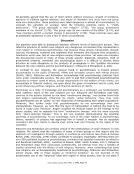
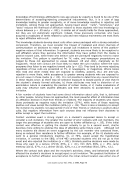
When one speaks of the etiology of cult-induced or related psychopathology, the cult
conversion process cannot be ignored otherwise psychological treatment will be
ineffective (Clark, 1978, p. 29 Schwartz &Kaslow, 1979, p. 22 Singer, 1979, p. 82).
Furthermore, when the cult is extremist there will be a direct link between the cult
conversion process and the resulting psychological impairment in the individual. However,
the conversion process is even more effective when prior personality factors render the
individual recruit especially susceptible to the cult‘s manipulative techniques. In short,
extremist cult conversion is usually an interplay of personal vulnerability factors and cult
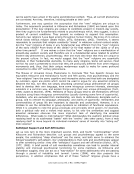
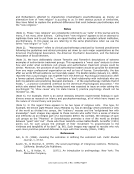
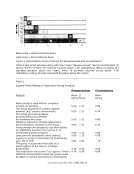
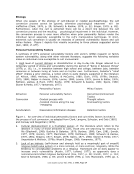
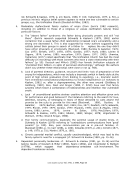
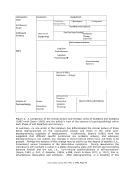
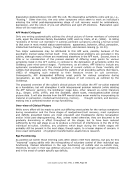
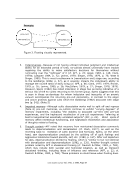
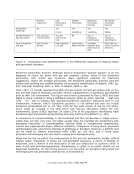
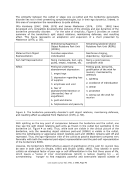
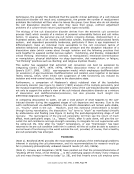
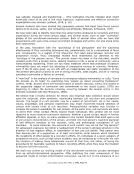
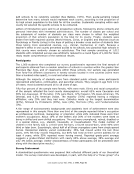
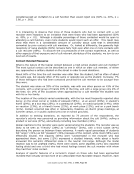
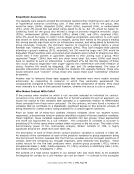
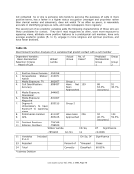
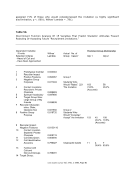
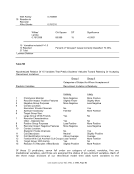
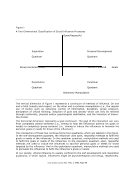
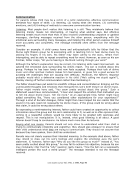
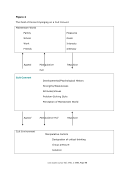
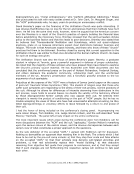
milieu factors. Figure I depicts this visually according to three phases suggested earlier
(Ash, 1983 cf. AFF).
Personal Vulnerability Factors
A synthesis of AFF‘s personal vulnerability factors with Zerin‘s (1982) research on family
system vulnerability, along with other relevant literature, suggests the following variables
make an individual more susceptible to cult involvement:
1. High level of current distress or dissatisfaction in day-to-day life. Singer referred to a
temporary period of stress and vulnerability during the period of ―being in between things‖
(1978, p. 16), i.e., in transition between high school and college, between jobs, between
romances or between living at home and on his/her own. Furthermore, Galanter‘s ―relief
effect‖ implies a prior distress, a notion which Is quite liberally supported in the literature
(cf. Allison, 1966 Anthony, Robbins, &McCarthy, 1980 Clark, 1978, 1979b Deutsch,
1975, 1980 Galper in Aversa, 1976 Levine, 1980 Levine, 1979 Levine &Salter, 1976
Pattison, Llamas, &Hurd, 1979 Roche, 1979 Schwartz &Kaslow, 1981 Spero, 1980
Stoner &Parke, 1977 Yamamoto, 1977).
Personality Factors Milieu Factors
Attraction Personal vulnerability factors Recruitment/enticement
Tactics
Conversion Gradual process with Thought reform
/isolated choices along the way brainwashing tactics
snapping
Acculturation Dissociation/information disease Retention tactics
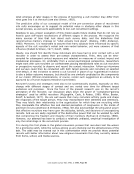
Figure 1. An overview of individual personality factors and cult milieu factors involved in
the process of cult conversion, as adapted from Clark, Langone, Schecter, and Daly (1981)
and Conway and Siegelman (1978).
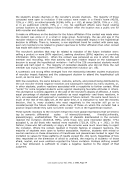
2. Cultural disillusionment in a frustrated seeker--cf. the literature which refers to the
idealism in many of those attracted to cults, those who are searching for meaning in
life (Blackwell, 1980 Buckley &Galanter, 1979 Burtner, 1980 Carr, 1981 Enroth,
1977, 1979 Gordon, 1977 MacCollam, 1979 Rothbaum, 1980 Schwartz &Kaslow,
1979, 1981 Shapiro, 1977 Singer, 1979 Spero, 1977, 1980 Stoner &Parke, 1977
Ungerleider &Wellisch, 1979b West &Singer, 1980 Yamamoto, 1977).
3. Lack of an intrinsic (self-chosen and strongly held as a meaningful part of oneself)
religious belief/value system or a more nominal, or more extrinsic, religiosity. While the
tendency to conceptualize problems In a religious framework per se does appear to
increase one‘s vulnerability (Austin, 1977 Lofland, 1977), as apparently does a
nominal/uncommitted religious background (Cox, 1977, p. 38 Enroth, 1977, p. 153
Isser &Schwartz, 1980, p. 69 Levine &Salter 1976, p. 413 MacCollam, 1979, pp. 4,
Etiology
When one speaks of the etiology of cult-induced or related psychopathology, the cult
conversion process cannot be ignored otherwise psychological treatment will be
ineffective (Clark, 1978, p. 29 Schwartz &Kaslow, 1979, p. 22 Singer, 1979, p. 82).
Furthermore, when the cult is extremist there will be a direct link between the cult
conversion process and the resulting psychological impairment in the individual. However,
the conversion process is even more effective when prior personality factors render the
individual recruit especially susceptible to the cult‘s manipulative techniques. In short,
extremist cult conversion is usually an interplay of personal vulnerability factors and cult
milieu factors. Figure I depicts this visually according to three phases suggested earlier
(Ash, 1983 cf. AFF).
Personal Vulnerability Factors
A synthesis of AFF‘s personal vulnerability factors with Zerin‘s (1982) research on family
system vulnerability, along with other relevant literature, suggests the following variables
make an individual more susceptible to cult involvement:
1. High level of current distress or dissatisfaction in day-to-day life. Singer referred to a
temporary period of stress and vulnerability during the period of ―being in between things‖
(1978, p. 16), i.e., in transition between high school and college, between jobs, between
romances or between living at home and on his/her own. Furthermore, Galanter‘s ―relief
effect‖ implies a prior distress, a notion which Is quite liberally supported in the literature
(cf. Allison, 1966 Anthony, Robbins, &McCarthy, 1980 Clark, 1978, 1979b Deutsch,
1975, 1980 Galper in Aversa, 1976 Levine, 1980 Levine, 1979 Levine &Salter, 1976
Pattison, Llamas, &Hurd, 1979 Roche, 1979 Schwartz &Kaslow, 1981 Spero, 1980
Stoner &Parke, 1977 Yamamoto, 1977).
Personality Factors Milieu Factors
Attraction Personal vulnerability factors Recruitment/enticement
Tactics
Conversion Gradual process with Thought reform
/isolated choices along the way brainwashing tactics
snapping
Acculturation Dissociation/information disease Retention tactics
Figure 1. An overview of individual personality factors and cult milieu factors involved in
the process of cult conversion, as adapted from Clark, Langone, Schecter, and Daly (1981)
and Conway and Siegelman (1978).
2. Cultural disillusionment in a frustrated seeker--cf. the literature which refers to the
idealism in many of those attracted to cults, those who are searching for meaning in
life (Blackwell, 1980 Buckley &Galanter, 1979 Burtner, 1980 Carr, 1981 Enroth,
1977, 1979 Gordon, 1977 MacCollam, 1979 Rothbaum, 1980 Schwartz &Kaslow,
1979, 1981 Shapiro, 1977 Singer, 1979 Spero, 1977, 1980 Stoner &Parke, 1977
Ungerleider &Wellisch, 1979b West &Singer, 1980 Yamamoto, 1977).
3. Lack of an intrinsic (self-chosen and strongly held as a meaningful part of oneself)
religious belief/value system or a more nominal, or more extrinsic, religiosity. While the
tendency to conceptualize problems In a religious framework per se does appear to
increase one‘s vulnerability (Austin, 1977 Lofland, 1977), as apparently does a
nominal/uncommitted religious background (Cox, 1977, p. 38 Enroth, 1977, p. 153
Isser &Schwartz, 1980, p. 69 Levine &Salter 1976, p. 413 MacCollam, 1979, pp. 4,