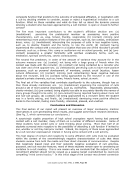
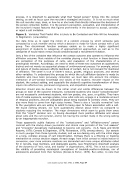
Cultic Studies Journal, Vol. 2 No. 1 1985, Page 90
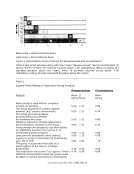
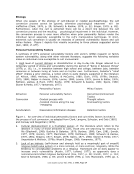
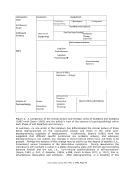
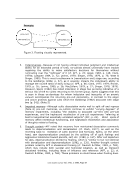
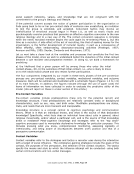
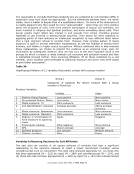
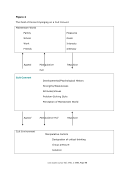
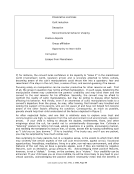
Figure I
A Two-Dimensional Classification of Social Influence Processes
Open/Respectful
Inspiration Personal Development
Quadrant Quadrant
Group-Centered-Goals-------------------------------------------Person-Centered Goals
Exploitation Caretaker
Quadrant Quadrant
Extremely Manipulative
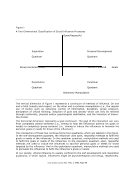
The vertical dimension of Figure 1 represents a continuum of methods of influence. On one
end is total honesty and respect on the other end is extreme manipulation (i.e., the regular
use of tactics such as extensive control of information, deception, group pressure,
denigration of critical thinking, induction of guilt and anxiety which can only be relieved
through conformity, physical and/or psychological debilitation, and the induction of trance-
like states).
The horizontal dimension represents a goal continuum. The goal of the interaction can vary
from completely person-centered (i.e., aiming to help the influences achieve his goals or
needs) to completely group-centered (i.e., aiming to induce the influences to forswear his
personal goals or needs for those of the influencer).
The intersection of these two continua forms four quadrants, which are labeled in the figure.
In the self-development quadrant, the influencer uses open, respectful methods to fulfill the
goals or needs of the influences. In the caretaker quadrant, manipulative methods are used
to fulfill the goals or needs of the influences. In the inspiration quadrant, open, respectful
methods are used to induce the influences to sacrifice personal goals or needs for those
targeted by the influencer. And in the exploitation quadrant, manipulative methods are used
to persuade the influences to fulfill the influencer‘s goals or needs.
In our society, ethical influence Is usually confined to the self-development and inspiration
quadrants, in which typical. influencers might be psychotherapists and clergy, respectively.
Figure I
A Two-Dimensional Classification of Social Influence Processes
Open/Respectful
Inspiration Personal Development
Quadrant Quadrant
Group-Centered-Goals-------------------------------------------Person-Centered Goals
Exploitation Caretaker
Quadrant Quadrant
Extremely Manipulative
The vertical dimension of Figure 1 represents a continuum of methods of influence. On one
end is total honesty and respect on the other end is extreme manipulation (i.e., the regular
use of tactics such as extensive control of information, deception, group pressure,
denigration of critical thinking, induction of guilt and anxiety which can only be relieved
through conformity, physical and/or psychological debilitation, and the induction of trance-
like states).
The horizontal dimension represents a goal continuum. The goal of the interaction can vary
from completely person-centered (i.e., aiming to help the influences achieve his goals or
needs) to completely group-centered (i.e., aiming to induce the influences to forswear his
personal goals or needs for those of the influencer).
The intersection of these two continua forms four quadrants, which are labeled in the figure.
In the self-development quadrant, the influencer uses open, respectful methods to fulfill the
goals or needs of the influences. In the caretaker quadrant, manipulative methods are used
to fulfill the goals or needs of the influences. In the inspiration quadrant, open, respectful
methods are used to induce the influences to sacrifice personal goals or needs for those
targeted by the influencer. And in the exploitation quadrant, manipulative methods are used
to persuade the influences to fulfill the influencer‘s goals or needs.
In our society, ethical influence Is usually confined to the self-development and inspiration
quadrants, in which typical. influencers might be psychotherapists and clergy, respectively.