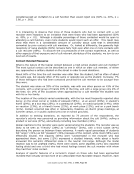
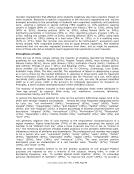
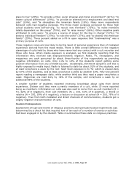
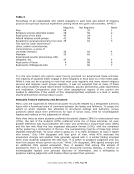
Cultic Studies Journal, Vol. 2 No. 1 1985, Page 113
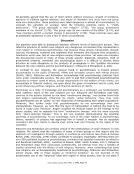
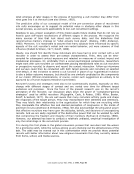
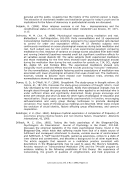
Jones, F. C., Gabbard, G. 0., Twemlow, S. W. (1984). Psychological and demographic
characteristics of persons reporting out-of-body experiences. Hillside Journal of
Clinical Psychiatry, 6, 105-115.
Kanas, N., &Horowitz, M. J. (Dec. 1977). Reactions of transcendental meditators and
nonmeditators to stress films. A cognitive study. Archives of General Psychiatry,
1431-1436. To experimentally test the claimed stress-reducing effects of
Transcendental Meditation (TM), two stress films were shown to a group of 60
meditators and non-meditators. Stress response was observed through use of
cognitive and affective measures employing content analysis techniques and self-
ratings. The meditators did not show less stress response than the nonmeditators.
On several self-rating scales, a group of subjects who had signed up for initiation
into TM rated themselves significantly more stressed and emotionally distressed than
either a contr.)l group or the meditators. The meditators who meditated during the
experiment tended to show less stress response to the films than meditators who
were told not to meditate however, this difference was significant on only one
measure, a subjective stress scale.
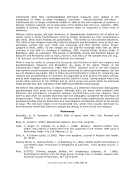
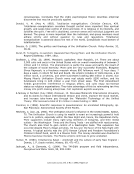
Katz, B. (Jan. 1, 1983). Studies in mystical literature. Library Journal, 33. Articulate and
well-researched, this compendium offers articles on aspects of mysticism for the
specialist.
Kasahara, M. (1985). The Moonies make a comeback. Japan Quarterly, 46-50.
Kessler, J. B. (Mar. 1983). A father and a son in search of common ground. Dynamic Years,
25. Comedian Steve Allen has reconciled with his son Brian, who is a member of the
Church of Armageddon. Allen felt rejected when his son joined the religious cult, and
in his book Beloved Son he told of his family‘s experience. He visited his son several
times, and talked with the group‘s leaders and with other parents. He believes that
show business children have a hard life, and that they need moral training.
Kilbourne, B. K., &Richardson, J. T. (Mar. 1984). Psychotherapy and new religions in a
pluralistic society. American Psychologist, 237-251. Few attempts have been made
to examine the nature of the alleged competition between psychotherapy and new
religions in the therapeutic and experiential marketplace of contemporary society.
One reason may be the dominant role of psychologists and psychiatrists in defining
reality in today‘s ―psychological society.‖ The article posits the functional equivalence
of these two approaches to reality, individual adjustment, and growth. Six
commonalities between pychotherapy and new religions are identified and discussed
as the bases for understanding the functional equivalence of different practices in a
pluralistic society. Concludes that rivalry between new religions and psychotherapy
can be best understood from a sociological conflict perspective and may be indicative
of larger stresses and strains in society. (128 ref).
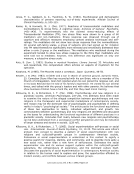
Kilbourne, B. K., &Richardson, J. T. (1985). Social experimentation self-process or social
role. International Journal of Social Psychiatry, 31, 13-22. This article uses Lifton‘s
protean man concept to describe a pattern of social experimentation with new
religions and cultic/self-growth groups in contemporary American society.
Proteanism or social experimentation is understood in this context to signify a
positive search for meaning, identity, and community, and to describe more aptly a
new social role, rather than a new form of self-process. Delineates the social
experimenter role and its various support systems within the cultic/self-growth
subculture, the entrepreneurs of experience, and the dominant culture itself.
Discusses the popularity of social experimentation in contemporary American society
in relation to the human need to explore and grow, the opportunities afforded by
modern society, and conflicts between various interest groups.
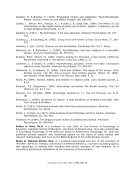
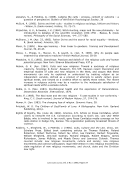
Jones, F. C., Gabbard, G. 0., Twemlow, S. W. (1984). Psychological and demographic
characteristics of persons reporting out-of-body experiences. Hillside Journal of
Clinical Psychiatry, 6, 105-115.
Kanas, N., &Horowitz, M. J. (Dec. 1977). Reactions of transcendental meditators and
nonmeditators to stress films. A cognitive study. Archives of General Psychiatry,
1431-1436. To experimentally test the claimed stress-reducing effects of
Transcendental Meditation (TM), two stress films were shown to a group of 60
meditators and non-meditators. Stress response was observed through use of
cognitive and affective measures employing content analysis techniques and self-
ratings. The meditators did not show less stress response than the nonmeditators.
On several self-rating scales, a group of subjects who had signed up for initiation
into TM rated themselves significantly more stressed and emotionally distressed than
either a contr.)l group or the meditators. The meditators who meditated during the
experiment tended to show less stress response to the films than meditators who
were told not to meditate however, this difference was significant on only one
measure, a subjective stress scale.
Katz, B. (Jan. 1, 1983). Studies in mystical literature. Library Journal, 33. Articulate and
well-researched, this compendium offers articles on aspects of mysticism for the
specialist.
Kasahara, M. (1985). The Moonies make a comeback. Japan Quarterly, 46-50.
Kessler, J. B. (Mar. 1983). A father and a son in search of common ground. Dynamic Years,
25. Comedian Steve Allen has reconciled with his son Brian, who is a member of the
Church of Armageddon. Allen felt rejected when his son joined the religious cult, and
in his book Beloved Son he told of his family‘s experience. He visited his son several
times, and talked with the group‘s leaders and with other parents. He believes that
show business children have a hard life, and that they need moral training.
Kilbourne, B. K., &Richardson, J. T. (Mar. 1984). Psychotherapy and new religions in a
pluralistic society. American Psychologist, 237-251. Few attempts have been made
to examine the nature of the alleged competition between psychotherapy and new
religions in the therapeutic and experiential marketplace of contemporary society.
One reason may be the dominant role of psychologists and psychiatrists in defining
reality in today‘s ―psychological society.‖ The article posits the functional equivalence
of these two approaches to reality, individual adjustment, and growth. Six
commonalities between pychotherapy and new religions are identified and discussed
as the bases for understanding the functional equivalence of different practices in a
pluralistic society. Concludes that rivalry between new religions and psychotherapy
can be best understood from a sociological conflict perspective and may be indicative
of larger stresses and strains in society. (128 ref).
Kilbourne, B. K., &Richardson, J. T. (1985). Social experimentation self-process or social
role. International Journal of Social Psychiatry, 31, 13-22. This article uses Lifton‘s
protean man concept to describe a pattern of social experimentation with new
religions and cultic/self-growth groups in contemporary American society.
Proteanism or social experimentation is understood in this context to signify a
positive search for meaning, identity, and community, and to describe more aptly a
new social role, rather than a new form of self-process. Delineates the social
experimenter role and its various support systems within the cultic/self-growth
subculture, the entrepreneurs of experience, and the dominant culture itself.
Discusses the popularity of social experimentation in contemporary American society
in relation to the human need to explore and grow, the opportunities afforded by
modern society, and conflicts between various interest groups.