Cultic Studies Journal, Vol. 2 No. 1 1985, Page 44
Mystical
Experience
Cult
Dissociative
Disorder
Multiple
Personality
Borderline
Personality
Disorder
Narcissistic
Personality
Disorder
Dissociation
(Splitting)
No Yes
Frozen
Yes
Vacillating
Yes
Vacillating
Yes
Stable
Dedifferentiation of
Ego Boundaries
Yes, Spiritual
Transcendence
Yes, Re-
enforced by
Cult
No Yes, in
Projective
Identification
Yes, in
Projective
Identification
View of Authority
and Self
Both Usually
Normal
High Authority
Low Self
Each Unique
Maybe Normal
Vacillates
Between High
Authority/Low
Self
High Self Low
others including
Authority
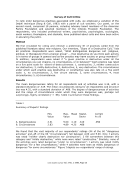
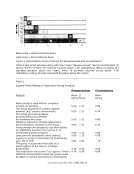
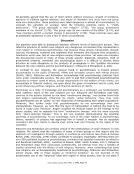
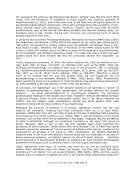
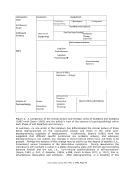
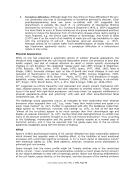
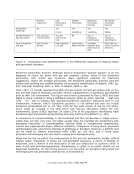
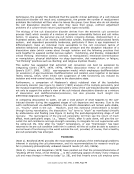
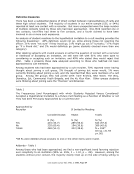
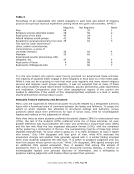
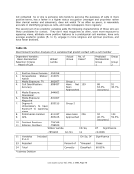
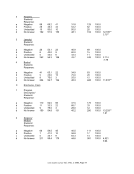
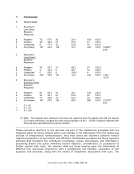
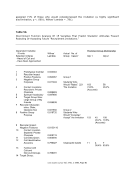
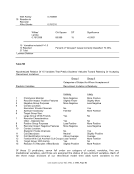
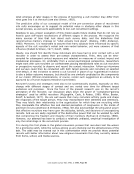
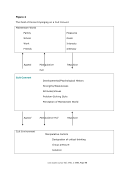
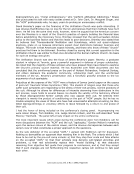
Figure 4: Dissociation and dedifferentiation in the differential diagnosis of religious states
and psychiatric disorders.
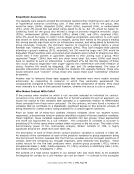
Borderline personality disorder. Although atypical dissociative disorder appears to be the
diagnosis of choice for those who are still mentally cultists, study of the borderline
personality, with similar ego dynamics, offers significant potential for treatment
suggestions. Unlike the multiple personality, the borderline personality disorder (301.83)
utilizes both splitting and dedifferentiation via projective identification (Grotstein, 1981, pp.
124 196-198: Kernberg, 1967, p. 669 cf. Beahrs, 1982, p. 38).
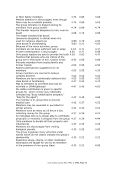
Clark (1977, cf. 1979b) reported that 58% of those cultists he had had contact with (in two
and one-half years of research) had been chronic schizophrenics or borderline personalities
prior to their cult involvement. This figure was directly questioned by Ross (1983) and does
stand in sharp contrast to Kelly‘s statistical analysis (Note 3) which reported that only
12% (of 100 ex-cultists) had ―psychotic/borderline psychotic‖ difficulties prior to cult
involvement. However, Kelly‘s ―borderline psychotic‖ is not defined and may not include
borderline personalities per se (cf. Tibe, 1979 for the wide variety of use for this term),
which might be included in the 20% which had ―serious difficulties‖ before the cult.
Furthermore, Spero (1982) reported ―24 cases (37% of his population) manifesting frank
borderline-type phenomena during testing and early months of treatment‖ (p. 335).
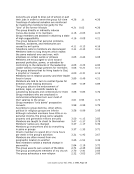
A comparison of symptomatology in the borderline and the cult devotee or stage one ex-
cultist does not fare very well. The latter usually does not manifest the borderline‘s self-
damaging impulsivity or unpredictability, marked shifts in interpersonal relationships,
intense and inappropriate anger, affective instability, Intolerance of being alone, physically
self-damaging acts, and chronic feelings of emptiness or boredom. However, a definite case
can be made for identity disturbance (APA, 1980, pp. 182-183), and in some cases
physically self-damaging acts are used to escape from deprogramming.
Stage two for the ex-cultist, the reemergence of the pre-cult personality, usually reflects
intense anger, impulsivity in trying out cult-prohibited pleasures, a return of feelings of
emptiness, and a reverse of the devaluation of self and idealization of authority which is
seen in-cult and post-deprogramming. Nonetheless, a cultist or ex-cultist should not be
diagnosed borderline, for the clinical picture is not the same, an exception being when the
reemerging pre-cult personality itself proves to be borderline.
Mystical
Experience
Cult
Dissociative
Disorder
Multiple
Personality
Borderline
Personality
Disorder
Narcissistic
Personality
Disorder
Dissociation
(Splitting)
No Yes
Frozen
Yes
Vacillating
Yes
Vacillating
Yes
Stable
Dedifferentiation of
Ego Boundaries
Yes, Spiritual
Transcendence
Yes, Re-
enforced by
Cult
No Yes, in
Projective
Identification
Yes, in
Projective
Identification
View of Authority
and Self
Both Usually
Normal
High Authority
Low Self
Each Unique
Maybe Normal
Vacillates
Between High
Authority/Low
Self
High Self Low
others including
Authority
Figure 4: Dissociation and dedifferentiation in the differential diagnosis of religious states
and psychiatric disorders.
Borderline personality disorder. Although atypical dissociative disorder appears to be the
diagnosis of choice for those who are still mentally cultists, study of the borderline
personality, with similar ego dynamics, offers significant potential for treatment
suggestions. Unlike the multiple personality, the borderline personality disorder (301.83)
utilizes both splitting and dedifferentiation via projective identification (Grotstein, 1981, pp.
124 196-198: Kernberg, 1967, p. 669 cf. Beahrs, 1982, p. 38).
Clark (1977, cf. 1979b) reported that 58% of those cultists he had had contact with (in two
and one-half years of research) had been chronic schizophrenics or borderline personalities
prior to their cult involvement. This figure was directly questioned by Ross (1983) and does
stand in sharp contrast to Kelly‘s statistical analysis (Note 3) which reported that only
12% (of 100 ex-cultists) had ―psychotic/borderline psychotic‖ difficulties prior to cult
involvement. However, Kelly‘s ―borderline psychotic‖ is not defined and may not include
borderline personalities per se (cf. Tibe, 1979 for the wide variety of use for this term),
which might be included in the 20% which had ―serious difficulties‖ before the cult.
Furthermore, Spero (1982) reported ―24 cases (37% of his population) manifesting frank
borderline-type phenomena during testing and early months of treatment‖ (p. 335).
A comparison of symptomatology in the borderline and the cult devotee or stage one ex-
cultist does not fare very well. The latter usually does not manifest the borderline‘s self-
damaging impulsivity or unpredictability, marked shifts in interpersonal relationships,
intense and inappropriate anger, affective instability, Intolerance of being alone, physically
self-damaging acts, and chronic feelings of emptiness or boredom. However, a definite case
can be made for identity disturbance (APA, 1980, pp. 182-183), and in some cases
physically self-damaging acts are used to escape from deprogramming.
Stage two for the ex-cultist, the reemergence of the pre-cult personality, usually reflects
intense anger, impulsivity in trying out cult-prohibited pleasures, a return of feelings of
emptiness, and a reverse of the devaluation of self and idealization of authority which is
seen in-cult and post-deprogramming. Nonetheless, a cultist or ex-cultist should not be
diagnosed borderline, for the clinical picture is not the same, an exception being when the
reemerging pre-cult personality itself proves to be borderline.