Cultic Studies Journal, Vol. 2 No. 1 1985, Page 31
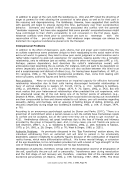
3. Integration--of the individual‘s cult experience into his life. This stage begins six
months to two years after cult departure. While the emphasis here is on future-oriented
goals, the Goldbergs indicated that the treatment of choice for this phase, is individual
psychotherapy focusing on exploration of the factors which contributed to the individual‘s
vulnerability to the cult‘s manipulations. Therefore, while some of the therapeutic work in
this integration stage might overlap into this paper‘s cult departure stage of reacceptance of
life outside the cult, the majority of the therapy here is focused on the promotion of
readjustment to life outside the cult.
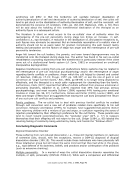
Reevaluation Versus Readjustment: A Problem in Clinical Differentiation
The only major weakness of the Goldbergs‘ stages appears to be their reliance on the
occurrence of deprogramming as the onset point for stage one. The Goldbergs do mention
that ―individuals who do not participate in the deprogramming process after leaving their
cults generally have more difficulty placing their experience into perspective than those who
undergo deprogramming. In the former, behavior characteristics of the first stage can last
for several years‖ (p.i6q). Thus, they have recognized that all nondeprogrammed ex-
cultists do enter this stage just as do deprogrammed ex-cultists. But they have failed to
delineate when this occurs or if it results in any difference in the clinical picture between the
two groups at this time.
Perhaps the exact determination of the point in time between cult mind set and the post-
mind-control syndrome, between reevaluation of life in the cult and readjustment to life
outside it, is not always possible. Recovery from the cult-induced dissociation is not always
a sudden point of ―snapping,‖ but may involve a much more gradual process. This may be
seen in Steve Kemperman‘s autobiography (1981) and also in Spero‘s individual
psychodynamic psychotherapy with 65 cult devotees (1982).
Kemperman experienced two deprogrammings, which essentially failed, and then six weeks
at a halfway house for rehabilitation before he made the actual decision to leave his group.
And Spero‘s psychotherapy with nondeprogrammed cultists took an average of 15 months
for the 51 successful cases. He did not delineate between the clinical pictures of those still
mentally cultists and those experiencing ―floating‖ or any of the other classical ex-cultist
symptoms seen in the Goldbergs‘ post-deprogramming stage one. In fact, one could get the
impression that for Spero the ―postcommitment syndrome‖ contains none of the
dissociation-related problems, but only affective and interpersonal problems (i.e.,
depression, irritability, brief isolation and anomie, and caution in resuming interpersonal
problems, p. 342). His post-commitment syndrome, therefore, appears to encompass only
those clinical problems seen in Goldbergs‘ second and third stages of cult recovery--
reemergence and integration.
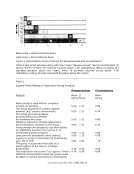
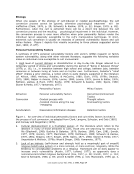
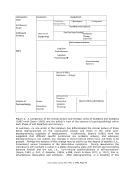
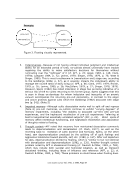
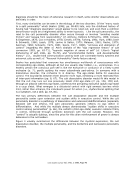
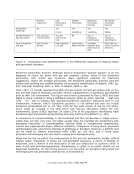
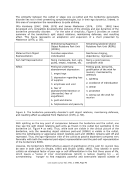
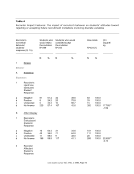
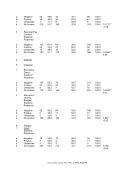
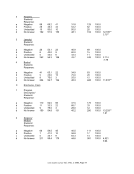
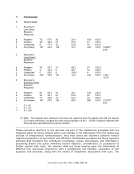
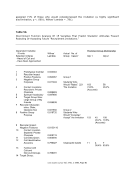
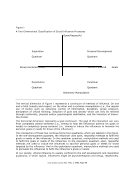
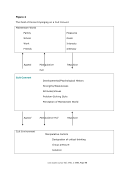
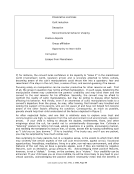
Figure 2 presents a visual comparison of the Goldbergs‘ view with Spero‘s regarding clinical
picture and therapy, along with the author‘s view of the essence of psychopathology within
each phase of cult departure and recovery. Spero began working during reevaluation with
the dissociative problems of those still mentally cultists, for whom he favored intensive,
long-term individual psychotherapy. The Goldbergs provided short-term group counseling
for ex-cultists, thereby, dealing with only the transitory dissociative symptoms of those who
had already been deprogrammed (i.e, had been ―snapped‖ out of their rigid cultist
dissociative state of mind). Nonetheless, in many respects the bulk of Spero‘s view of the
clinical picture of these cultists resembled what the Goldbergs emphasized in their first
stage of cult recovery--dissociative phenomena.
3. Integration--of the individual‘s cult experience into his life. This stage begins six
months to two years after cult departure. While the emphasis here is on future-oriented
goals, the Goldbergs indicated that the treatment of choice for this phase, is individual
psychotherapy focusing on exploration of the factors which contributed to the individual‘s
vulnerability to the cult‘s manipulations. Therefore, while some of the therapeutic work in
this integration stage might overlap into this paper‘s cult departure stage of reacceptance of
life outside the cult, the majority of the therapy here is focused on the promotion of
readjustment to life outside the cult.
Reevaluation Versus Readjustment: A Problem in Clinical Differentiation
The only major weakness of the Goldbergs‘ stages appears to be their reliance on the
occurrence of deprogramming as the onset point for stage one. The Goldbergs do mention
that ―individuals who do not participate in the deprogramming process after leaving their
cults generally have more difficulty placing their experience into perspective than those who
undergo deprogramming. In the former, behavior characteristics of the first stage can last
for several years‖ (p.i6q). Thus, they have recognized that all nondeprogrammed ex-
cultists do enter this stage just as do deprogrammed ex-cultists. But they have failed to
delineate when this occurs or if it results in any difference in the clinical picture between the
two groups at this time.
Perhaps the exact determination of the point in time between cult mind set and the post-
mind-control syndrome, between reevaluation of life in the cult and readjustment to life
outside it, is not always possible. Recovery from the cult-induced dissociation is not always
a sudden point of ―snapping,‖ but may involve a much more gradual process. This may be
seen in Steve Kemperman‘s autobiography (1981) and also in Spero‘s individual
psychodynamic psychotherapy with 65 cult devotees (1982).
Kemperman experienced two deprogrammings, which essentially failed, and then six weeks
at a halfway house for rehabilitation before he made the actual decision to leave his group.
And Spero‘s psychotherapy with nondeprogrammed cultists took an average of 15 months
for the 51 successful cases. He did not delineate between the clinical pictures of those still
mentally cultists and those experiencing ―floating‖ or any of the other classical ex-cultist
symptoms seen in the Goldbergs‘ post-deprogramming stage one. In fact, one could get the
impression that for Spero the ―postcommitment syndrome‖ contains none of the
dissociation-related problems, but only affective and interpersonal problems (i.e.,
depression, irritability, brief isolation and anomie, and caution in resuming interpersonal
problems, p. 342). His post-commitment syndrome, therefore, appears to encompass only
those clinical problems seen in Goldbergs‘ second and third stages of cult recovery--
reemergence and integration.
Figure 2 presents a visual comparison of the Goldbergs‘ view with Spero‘s regarding clinical
picture and therapy, along with the author‘s view of the essence of psychopathology within
each phase of cult departure and recovery. Spero began working during reevaluation with
the dissociative problems of those still mentally cultists, for whom he favored intensive,
long-term individual psychotherapy. The Goldbergs provided short-term group counseling
for ex-cultists, thereby, dealing with only the transitory dissociative symptoms of those who
had already been deprogrammed (i.e, had been ―snapped‖ out of their rigid cultist
dissociative state of mind). Nonetheless, in many respects the bulk of Spero‘s view of the
clinical picture of these cultists resembled what the Goldbergs emphasized in their first
stage of cult recovery--dissociative phenomena.