Cultic Studies Journal, Vol. 2 No. 1 1985, Page 97
first. But if he too is waiting for the other person to change first, nobody will change. It is
important, therefore, to abide by what behavior therapist Richard Stuart (1980) calls, ―the
change-first principle.‖ In a conflict relationship, each party should take responsibility for
initiating change in himself, rather than waiting for the other person to change. This is
especially important in a cult situation, because the child, if he is an adolescent or young
adult, is not likely to think of or pay heed to the change-first principle. The parent must act
first. In so doing, the parent models flexibility, openness, and rationality, all of which are
essential to a cultist‘s voluntarily reevaluating a cult involvement.
Education
When parents establish a trusting relationship with a child in a cult, he is more likely to be
willing to examine information that is critical of the group to which he belongs or that raises
questions about his relationship to the group. Books, articles, videotapes, and conversations
with ex-cultists or professionals can all be very helpful in getting the cultist to listen to ―the
other side of the story, and/or take a closer look at the motivations and consequences of his
cult affiliation.
Unfortunately, considering information critical of the cult will not necessarily in and of itself
bring about a sincere reevaluation. The credibility a convert attributes to such information
can vary. Therefore, timing is a crucial factor in attempts to educate a cultist. If, for
example, a child is just flirting with a cultic group or has not yet had time to internalize its
beliefs and practices, he is much more likely to believe critical information. If, however, the
cultist is acculturated (i.e., he has internalized the cult‘s belief system and practices), he is
much more likely not to attribute credibility to non-cult sources of information. In this case,
even if a growing trust in his parents renders him willing to expose himself to critical
information, the child may not be moved by that information. Parents faced by such
circumstances should try to understand the child‘s perspective, rather than interpret his
skepticism as a betrayal of the trust they have worked so hard to build. He simply no longer
sees the world as they do, or as he once did. Parents will probably find it more productive to
be patient and to discuss with their child how people come to attribute credibility to
information sources. This may get him thinking on a different track, so to speak, and may in
time make him more inclined to believe non-cult sources of information.
Strategy
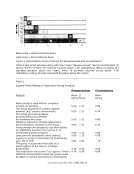
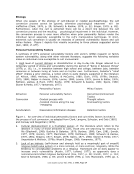
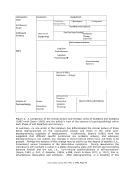
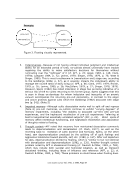
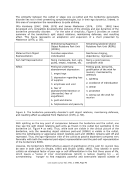
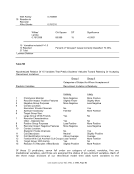
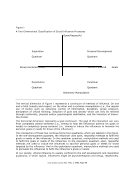
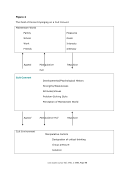
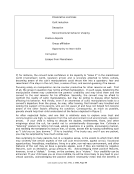
Figure 2 illustrates the field of forces impinging on a cult convert. By understanding and
helping their child understand this field of forces, parents can more effectively persuade
their child to reevaluate a harmful, or potentially harmful, cult involvement.
Parents concerned that their child belongs to a destructive group tend to focus their
attention on the manipulative practices of the group (in Figure 2, cult environment,
manipulative pull arrow). Although it is important to do this, parents should not a) assume
that the manipulative pull is the same in all groups (emphasis on specific manipulative
factors, e.g., isolation, may vary greatly) and b) ignore other factors that may influence
their child‘s behavior, feelings, and thoughts.
first. But if he too is waiting for the other person to change first, nobody will change. It is
important, therefore, to abide by what behavior therapist Richard Stuart (1980) calls, ―the
change-first principle.‖ In a conflict relationship, each party should take responsibility for
initiating change in himself, rather than waiting for the other person to change. This is
especially important in a cult situation, because the child, if he is an adolescent or young
adult, is not likely to think of or pay heed to the change-first principle. The parent must act
first. In so doing, the parent models flexibility, openness, and rationality, all of which are
essential to a cultist‘s voluntarily reevaluating a cult involvement.
Education
When parents establish a trusting relationship with a child in a cult, he is more likely to be
willing to examine information that is critical of the group to which he belongs or that raises
questions about his relationship to the group. Books, articles, videotapes, and conversations
with ex-cultists or professionals can all be very helpful in getting the cultist to listen to ―the
other side of the story, and/or take a closer look at the motivations and consequences of his
cult affiliation.
Unfortunately, considering information critical of the cult will not necessarily in and of itself
bring about a sincere reevaluation. The credibility a convert attributes to such information
can vary. Therefore, timing is a crucial factor in attempts to educate a cultist. If, for
example, a child is just flirting with a cultic group or has not yet had time to internalize its
beliefs and practices, he is much more likely to believe critical information. If, however, the
cultist is acculturated (i.e., he has internalized the cult‘s belief system and practices), he is
much more likely not to attribute credibility to non-cult sources of information. In this case,
even if a growing trust in his parents renders him willing to expose himself to critical
information, the child may not be moved by that information. Parents faced by such
circumstances should try to understand the child‘s perspective, rather than interpret his
skepticism as a betrayal of the trust they have worked so hard to build. He simply no longer
sees the world as they do, or as he once did. Parents will probably find it more productive to
be patient and to discuss with their child how people come to attribute credibility to
information sources. This may get him thinking on a different track, so to speak, and may in
time make him more inclined to believe non-cult sources of information.
Strategy
Figure 2 illustrates the field of forces impinging on a cult convert. By understanding and
helping their child understand this field of forces, parents can more effectively persuade
their child to reevaluate a harmful, or potentially harmful, cult involvement.
Parents concerned that their child belongs to a destructive group tend to focus their
attention on the manipulative practices of the group (in Figure 2, cult environment,
manipulative pull arrow). Although it is important to do this, parents should not a) assume
that the manipulative pull is the same in all groups (emphasis on specific manipulative
factors, e.g., isolation, may vary greatly) and b) ignore other factors that may influence
their child‘s behavior, feelings, and thoughts.