Cultic Studies Journal, Vol. 2 No. 1 1985, Page 66
recruiter characteristic that affected some students negatively also had a positive impact on
other students. Reactions to specific components of the recruiter‘s appearance and actions
arranged according to the percentage of students who responded negatively and positively
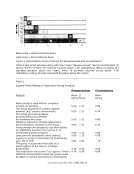
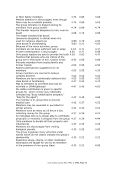
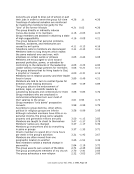
were-. wearing a costume or special clothing (78% negative vs. 16% positive) wearing
jewelry or badges (84% vs. 11%) using slogans and mottos (78% vs. 12%) selling food
(65% vs. 22%) showing pictures (62% vs. 20%) selling flowers (60% vs. 30%)
distributing pamphlets or brochures (55% vs. 2%) describing group‘s program (74% vs.
15%) making eye contact (64% vs 25%) showing affection (63% vs. 28%) using hand
gestures (64% vs. 25%) talking in a loud voice (78% vs. 15%), or in a soothing voice
(52% vs. 37%). When the recruiter was perceived to be ―enthusiastic‖, evaluations were
evenly divided, 46% responded positively and an equal amount negatively. Few students
mentioned that the recruiter requested donations from them, and as might be expected,
more of those who did so tended to react negatively than positively to such requests.
Perceptions of Cults
From the list of thirty groups named, the majority of students reported the following as
qualifying for cult status: Moonies (90%) Peoples Temple (89%) Hare Krishha (83%)
Manson Family (81%) Divine Light Mission (72%) Unification Church (64%) Children of
God (63%4) Friends of Love (‗-)9%) and Eckankar (51%). There was divided opinion
about whether cult was the appropriate term for Sri Chinmoy, Scientology, Love Israel,
Kundalini Yoga, Sikhs, The Way, and Est. The importance of labels in categorizing a group
as a cult is shown by the marked difference in response to three terms used for Reverend
Moon‘s Unification Church. Nearly all respondents saw the ―Moonies‖ as a cult, while about
two-thirds (64%) qualified the Unification Church as a cult, but only 38 percent identified
CARP as a cult group. CARP is the acronym for Collegiate Association for Research on
Principles, a more recently developed branch of the Unification Church.
The majority of students included in their spiritual vocabulary these terms attributed to
―new age groups‖ by expects: Bible study, cult, meditation, commune, fellowship,
consciousness raising, and The Family.
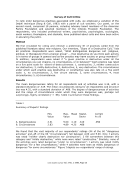
In general the descriptors selected for cults (on the semantic differential scales) tend to be
those with strongly negative connotations. Among the most frequently designated terms
for cults. are. ―not worthwhile‖ (64%) ―threatening‖ (62%) ―crazy‖ (60%) ―Profit-
minded‖ (58%) ―irresponsible‖ (50%) ―anti-freedom‖ (35%) ―Painful‖ (35%) ―political‖
(35%) and ―non-religious!‘ (22%). A smaller percentage of students endorsed positive cult
descriptors: ―religious‖ (43%) ―non-political‖ (22%) ―Pro-freedom‖(21%) ―Pleasurable‖
(14%) ―responsible‖ (10%) ―charity-minded‖ (9%) ―worthwhile‖ (9%) ―safe‖ (8%), and
―sane‖ (7%).
This generally negative view of cults extends to the respondents‘ characterizations of a
typical member. Nearly three-fourths (74%) of the students perceived the typical cult
member to be ―different from me,‖ while a mere 4 percent saw him or her as ―similar to
me.‖ The remaining 22 percent checked middle positions on the semantic differential scale,
indicating a mixture of similarity and dissimilarity. The prototypical cult member was judged
to be a person who was: ―vulnerable‖ (63%) ―lonely‖ (60%) ―weak‖ (63%) ―foolish‖
(54%) ―dependent (54%) ―depressed‖ (53%) ―stupid‘ (40%) ―irresponsible‖ (38%)
―crazy‖ (36%) fishy‖ (34%), and ―immature‖ (31%). The most extreme positive
descriptors given as characteristic of a cult member were: ―friendly‖ (27%) ―honest‖
(18%), and ―clean‖ (17%)
What do these students believe to be the primary purposes of cult groups? Positive
purposes are reported by only a minority of the subjects. Among them, in order of
decreasing frequency, are-. ―to protest against social injustice‖ (39%) ―to encourage
personal development of members‖ (35%) ―to improve the world‖ (30%) ―to provide a
recruiter characteristic that affected some students negatively also had a positive impact on
other students. Reactions to specific components of the recruiter‘s appearance and actions
arranged according to the percentage of students who responded negatively and positively
were-. wearing a costume or special clothing (78% negative vs. 16% positive) wearing
jewelry or badges (84% vs. 11%) using slogans and mottos (78% vs. 12%) selling food
(65% vs. 22%) showing pictures (62% vs. 20%) selling flowers (60% vs. 30%)
distributing pamphlets or brochures (55% vs. 2%) describing group‘s program (74% vs.
15%) making eye contact (64% vs 25%) showing affection (63% vs. 28%) using hand
gestures (64% vs. 25%) talking in a loud voice (78% vs. 15%), or in a soothing voice
(52% vs. 37%). When the recruiter was perceived to be ―enthusiastic‖, evaluations were
evenly divided, 46% responded positively and an equal amount negatively. Few students
mentioned that the recruiter requested donations from them, and as might be expected,
more of those who did so tended to react negatively than positively to such requests.
Perceptions of Cults
From the list of thirty groups named, the majority of students reported the following as
qualifying for cult status: Moonies (90%) Peoples Temple (89%) Hare Krishha (83%)
Manson Family (81%) Divine Light Mission (72%) Unification Church (64%) Children of
God (63%4) Friends of Love (‗-)9%) and Eckankar (51%). There was divided opinion
about whether cult was the appropriate term for Sri Chinmoy, Scientology, Love Israel,
Kundalini Yoga, Sikhs, The Way, and Est. The importance of labels in categorizing a group
as a cult is shown by the marked difference in response to three terms used for Reverend
Moon‘s Unification Church. Nearly all respondents saw the ―Moonies‖ as a cult, while about
two-thirds (64%) qualified the Unification Church as a cult, but only 38 percent identified
CARP as a cult group. CARP is the acronym for Collegiate Association for Research on
Principles, a more recently developed branch of the Unification Church.
The majority of students included in their spiritual vocabulary these terms attributed to
―new age groups‖ by expects: Bible study, cult, meditation, commune, fellowship,
consciousness raising, and The Family.
In general the descriptors selected for cults (on the semantic differential scales) tend to be
those with strongly negative connotations. Among the most frequently designated terms
for cults. are. ―not worthwhile‖ (64%) ―threatening‖ (62%) ―crazy‖ (60%) ―Profit-
minded‖ (58%) ―irresponsible‖ (50%) ―anti-freedom‖ (35%) ―Painful‖ (35%) ―political‖
(35%) and ―non-religious!‘ (22%). A smaller percentage of students endorsed positive cult
descriptors: ―religious‖ (43%) ―non-political‖ (22%) ―Pro-freedom‖(21%) ―Pleasurable‖
(14%) ―responsible‖ (10%) ―charity-minded‖ (9%) ―worthwhile‖ (9%) ―safe‖ (8%), and
―sane‖ (7%).
This generally negative view of cults extends to the respondents‘ characterizations of a
typical member. Nearly three-fourths (74%) of the students perceived the typical cult
member to be ―different from me,‖ while a mere 4 percent saw him or her as ―similar to
me.‖ The remaining 22 percent checked middle positions on the semantic differential scale,
indicating a mixture of similarity and dissimilarity. The prototypical cult member was judged
to be a person who was: ―vulnerable‖ (63%) ―lonely‖ (60%) ―weak‖ (63%) ―foolish‖
(54%) ―dependent (54%) ―depressed‖ (53%) ―stupid‘ (40%) ―irresponsible‖ (38%)
―crazy‖ (36%) fishy‖ (34%), and ―immature‖ (31%). The most extreme positive
descriptors given as characteristic of a cult member were: ―friendly‖ (27%) ―honest‖
(18%), and ―clean‖ (17%)
What do these students believe to be the primary purposes of cult groups? Positive
purposes are reported by only a minority of the subjects. Among them, in order of
decreasing frequency, are-. ―to protest against social injustice‖ (39%) ―to encourage
personal development of members‖ (35%) ―to improve the world‖ (30%) ―to provide a