Cultic Studies Journal, Vol. 2 No. 1 1985, Page 25
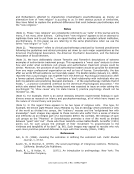
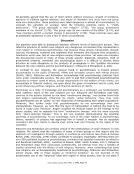
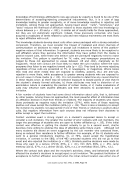
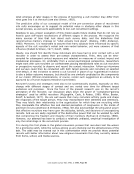
42 Schwartz &Kaslow, 1979, p. 24 Spero, 1980, P. 164 Yamamoto, 1977, p. 50), a
previous intrinsic religious belief system appears to make one less vulnerable to certain
groups, e.g., the Unification Church (Deutsch &Miller, 1983).
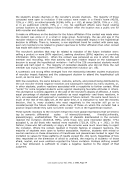
4. Moderately dysfunctional family system of origin (from Zerin‘s 1982 research),
including (in addition to those of a religious or values clarification nature) these
particular factors:
a. The ―absent father‖ syndrome: the father being physically present and still ―not
there‖ -Zerin‘s research supported Schwartz &Kaslow‘s (1979, 1981) earlier
contention that a weak father-child relationship increased one‘s vulnerability and a
strong one decreased it. This is also supported by many authors suggesting that
cultists joined their groups in search of a father to replace the one they didn‘t
have either physically or emotionally (Blackwell, 1980 Buckley &Galanter, 1979
Cox 1977 Enroth, 1977, 1978, 1979 Gordon, 1977 Hunt, 1980 Levine &
Zegans, 1974 Levine, 1980 maccollam, 1979 Spero, 1977, 1980). Likewise,
Yamamoto (1977) noted specifically that ―the Unification Church has had the most
difficulty (in recruiting) with those converts who have a close relationship with their
fathers‖ (p. 50). Deutsch and Miller‘s (1983) four female Unification subjects all
―cherished their fathers--in spite of perceived shortcomings,‖ although the authors
didn‘t say whether these relationships were close or not (p. 768).
b. Lack of parental direction, guidance, structure and limits--lack of preparation of the
young for independence, which may include a traumatic switch in family style at the
point of high school graduation (from binding to expelling), i.e., dramatic switch
from enmeshed overprotection/dependency to forced independence (cf. Schwartz &
Kaslow, 1981) or, after a deprogramming, the other way around (Goldberg &
Goldberg, 1982). Also, West and Singer (1980, P. 3250) have said that family
systems which foster a combination of indecisiveness and rebellion rear vulnerable
youth.
c. Lack of unconditional positive strokes--positive attention and affection given only
for performance and good behaviorcf. the literature referring to the search for love,
attention, security, or belonging in many of those attracted to cults and/or the
promise by the cults to provide for this need (Blackwell, 1980 Buckley &
Galanter, 1979 Burtner, 1980 Carr, 1981 Cox, 1977 Deutsch, 1975 Edwards,
1979 Enroth, 1977, 1979 Gordon, 1977 Hopkins, 1978 Levin &Zegans, 1974
Levine, 1980 Levine, 1979 Levine &Salter, 1976 MacCollam, 1979
Schwartz &Kaslow, 1979, 1981 Shubin, 1980 Silnger, 1978 Ungerleider &
Wellisch, 1979a West &Singer, 1980).
d. Poor family communications, especially the parental usage of double binds, cf.
Schwartz &Kaslow (1979) referring to ―contradictory communications from ‗good‘
parents‖ (p. 180). Also, poor communication per se in pre-cult families, cf.
Blackwell (1980, p. 4) Carr (1981, p. 180) Edwards (1979, p. 231) Enroth (1977,
p. 149 1979, p. 51) Martin (1979, p. 180).
e. Chronic parental marital conflict, usually unacknowledged, which may lead to the
family system‘s need for a scapegoat (cf. Schwartz &Kaslow (1981, pp. 15-16).
5. Dependent personality tendencies--cf. Schwartz &.Kaslow (1981, pp. 15-16) and the
testing results of Deutsch &Miller (1983), Spero (1982), and Ungerleider &Wellisch
(1979b), which suggest that dependency antedates cult involvement. The
dependent tendencies include:
42 Schwartz &Kaslow, 1979, p. 24 Spero, 1980, P. 164 Yamamoto, 1977, p. 50), a
previous intrinsic religious belief system appears to make one less vulnerable to certain
groups, e.g., the Unification Church (Deutsch &Miller, 1983).
4. Moderately dysfunctional family system of origin (from Zerin‘s 1982 research),
including (in addition to those of a religious or values clarification nature) these
particular factors:
a. The ―absent father‖ syndrome: the father being physically present and still ―not
there‖ -Zerin‘s research supported Schwartz &Kaslow‘s (1979, 1981) earlier
contention that a weak father-child relationship increased one‘s vulnerability and a
strong one decreased it. This is also supported by many authors suggesting that
cultists joined their groups in search of a father to replace the one they didn‘t
have either physically or emotionally (Blackwell, 1980 Buckley &Galanter, 1979
Cox 1977 Enroth, 1977, 1978, 1979 Gordon, 1977 Hunt, 1980 Levine &
Zegans, 1974 Levine, 1980 maccollam, 1979 Spero, 1977, 1980). Likewise,
Yamamoto (1977) noted specifically that ―the Unification Church has had the most
difficulty (in recruiting) with those converts who have a close relationship with their
fathers‖ (p. 50). Deutsch and Miller‘s (1983) four female Unification subjects all
―cherished their fathers--in spite of perceived shortcomings,‖ although the authors
didn‘t say whether these relationships were close or not (p. 768).
b. Lack of parental direction, guidance, structure and limits--lack of preparation of the
young for independence, which may include a traumatic switch in family style at the
point of high school graduation (from binding to expelling), i.e., dramatic switch
from enmeshed overprotection/dependency to forced independence (cf. Schwartz &
Kaslow, 1981) or, after a deprogramming, the other way around (Goldberg &
Goldberg, 1982). Also, West and Singer (1980, P. 3250) have said that family
systems which foster a combination of indecisiveness and rebellion rear vulnerable
youth.
c. Lack of unconditional positive strokes--positive attention and affection given only
for performance and good behaviorcf. the literature referring to the search for love,
attention, security, or belonging in many of those attracted to cults and/or the
promise by the cults to provide for this need (Blackwell, 1980 Buckley &
Galanter, 1979 Burtner, 1980 Carr, 1981 Cox, 1977 Deutsch, 1975 Edwards,
1979 Enroth, 1977, 1979 Gordon, 1977 Hopkins, 1978 Levin &Zegans, 1974
Levine, 1980 Levine, 1979 Levine &Salter, 1976 MacCollam, 1979
Schwartz &Kaslow, 1979, 1981 Shubin, 1980 Silnger, 1978 Ungerleider &
Wellisch, 1979a West &Singer, 1980).
d. Poor family communications, especially the parental usage of double binds, cf.
Schwartz &Kaslow (1979) referring to ―contradictory communications from ‗good‘
parents‖ (p. 180). Also, poor communication per se in pre-cult families, cf.
Blackwell (1980, p. 4) Carr (1981, p. 180) Edwards (1979, p. 231) Enroth (1977,
p. 149 1979, p. 51) Martin (1979, p. 180).
e. Chronic parental marital conflict, usually unacknowledged, which may lead to the
family system‘s need for a scapegoat (cf. Schwartz &Kaslow (1981, pp. 15-16).
5. Dependent personality tendencies--cf. Schwartz &.Kaslow (1981, pp. 15-16) and the
testing results of Deutsch &Miller (1983), Spero (1982), and Ungerleider &Wellisch
(1979b), which suggest that dependency antedates cult involvement. The
dependent tendencies include: