Cultic Studies Journal, Vol. 2 No. 1 1985, Page 30
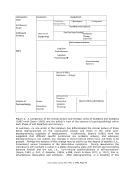
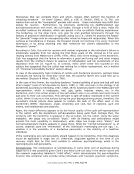
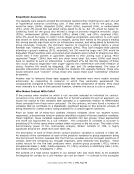
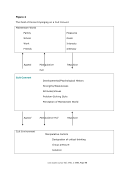
clinical picture. In an attempt to provide such a skeleton of conceptualization, Stoner and
Parke‘s (1977) analysis of withdrawal from a cult has been adapted to suggest three specific
stages of the mental aspects of this process:
1. Reevaluation of life in the cult--which terminates with a breaking of the cult-induced
dissociative disorder and the individual‘s decision to leave the cult (i.e., ―for good‖)
2. Readjustment to life outside the cult--the longest phase (up to one or two years)
which is usually characterized by a persistent ambivalence regarding leaving the cult
3. Reacceptance of life outside the cult--which is marked by a cessation of ambivalence
and a more complete commitment to remain within life outside of the cult.
In essence, the major goal of deprogramming or counseling during the reevaluation stage of
cult departure is to unfreeze the cultists‘ dissociation by helping them to think for
themselves again (Etemad, 1978, p. 22 Galper in Aversa, 1976, p. 1 Heller, 1982, p.
131). If this reality-inducing therapy is successful, the individual then begins rehabilitation
counseling, which strives to aid his readjustment to life outside the cult. However, this move
is made more difficult by the retention of many remnants of the former dissociation,
remnants which must be dealt with if there is to be a successful transition into the third
stage of cult departure--reacceptance of life outside the cult.
Referring specifically to the clinical picture of ex-cultists during the readjustment phase of
cult departure, Goldberg and Goldberg (1982) coined the phrase ―post-mind-control
syndrome‖(P.167), while Spero (1982) proposed ―postcommitment syndrome‖ (p. 342).
Though neither helped to delineate the difference between the clinical pictures of the
reevaluation and readjustment phases, each still made a significant contribution in this
area. Spero‘s work further established that the existence of these differences reflected a
process of mental change as opposed to their representing mutually exclusive syndromes.
The Goldbergs‘ stages of ―post-mind-control‖ recovery greatly advanced the delineation of
clinical picture and therapeutic focus during the readjustment phase of cult departure itself.
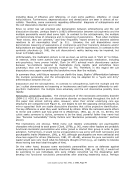
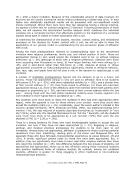
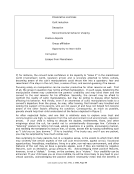
Goldbergs’ Stages of Cult Recovery
From their five years of group work with approximately two hundred ex-cultists (from
fourteen different cults) Lorna and William Goldberg (1982) have outlined three distinct, but
not mutually exclusive, stages which all ex-cultists pass through following deprogramming.
Those individuals who were not deprogrammed have more difficulty, and take longer, in
going through these stages of psychological recovery from cult participation than those who
were deprogrammed. However, the Goldbergs maintain that all individuals leaving cults
must go through them. These stages are:
1. Initial Post-deprogramminig--which begins with the completion of deprogramming,
usually lasts from six to eight weeks, and includes the vast majority of the symptoms
typically assigned to the ex-cultist‘s clinical picture. It is during this phase of recovery when
the ―residues of the imposed personality remain stamped on them‖ (P. 167), i.e., when
dissociative symptoms are the most noticeable. Childlike passive dependency with uncritical
receptivity to authority, and cognitive ego deficits (including indecisiveness, subservient
physical demeanor, glassy eyes, and a tendency to ―float‖ back into the cult altered state of
consciousness) are all hallmarks of this stage. For the Goldbergs the stage one hallmarks
were ―blandness, self-doubt, confusion, and depression‖ (p. 170),
2. Reemergence-of the pre-cult personality. This stage usually begins one to two
months after deprogramming and lasts for approximately six months to two years. Its major
characteristics include the reacquisition of self-confidence, the emergence of anger at the
cult and at parents, the onset of anti-cult crusade tendencies, and the testing out of
previous ―pleasures‖ that had been denied in the cult. Singer‘s ―fishbowl effect‖ (yet to be
discussed) is ,most bothersome at this time.
clinical picture. In an attempt to provide such a skeleton of conceptualization, Stoner and
Parke‘s (1977) analysis of withdrawal from a cult has been adapted to suggest three specific
stages of the mental aspects of this process:
1. Reevaluation of life in the cult--which terminates with a breaking of the cult-induced
dissociative disorder and the individual‘s decision to leave the cult (i.e., ―for good‖)
2. Readjustment to life outside the cult--the longest phase (up to one or two years)
which is usually characterized by a persistent ambivalence regarding leaving the cult
3. Reacceptance of life outside the cult--which is marked by a cessation of ambivalence
and a more complete commitment to remain within life outside of the cult.
In essence, the major goal of deprogramming or counseling during the reevaluation stage of
cult departure is to unfreeze the cultists‘ dissociation by helping them to think for
themselves again (Etemad, 1978, p. 22 Galper in Aversa, 1976, p. 1 Heller, 1982, p.
131). If this reality-inducing therapy is successful, the individual then begins rehabilitation
counseling, which strives to aid his readjustment to life outside the cult. However, this move
is made more difficult by the retention of many remnants of the former dissociation,
remnants which must be dealt with if there is to be a successful transition into the third
stage of cult departure--reacceptance of life outside the cult.
Referring specifically to the clinical picture of ex-cultists during the readjustment phase of
cult departure, Goldberg and Goldberg (1982) coined the phrase ―post-mind-control
syndrome‖(P.167), while Spero (1982) proposed ―postcommitment syndrome‖ (p. 342).
Though neither helped to delineate the difference between the clinical pictures of the
reevaluation and readjustment phases, each still made a significant contribution in this
area. Spero‘s work further established that the existence of these differences reflected a
process of mental change as opposed to their representing mutually exclusive syndromes.
The Goldbergs‘ stages of ―post-mind-control‖ recovery greatly advanced the delineation of
clinical picture and therapeutic focus during the readjustment phase of cult departure itself.
Goldbergs’ Stages of Cult Recovery
From their five years of group work with approximately two hundred ex-cultists (from
fourteen different cults) Lorna and William Goldberg (1982) have outlined three distinct, but
not mutually exclusive, stages which all ex-cultists pass through following deprogramming.
Those individuals who were not deprogrammed have more difficulty, and take longer, in
going through these stages of psychological recovery from cult participation than those who
were deprogrammed. However, the Goldbergs maintain that all individuals leaving cults
must go through them. These stages are:
1. Initial Post-deprogramminig--which begins with the completion of deprogramming,
usually lasts from six to eight weeks, and includes the vast majority of the symptoms
typically assigned to the ex-cultist‘s clinical picture. It is during this phase of recovery when
the ―residues of the imposed personality remain stamped on them‖ (P. 167), i.e., when
dissociative symptoms are the most noticeable. Childlike passive dependency with uncritical
receptivity to authority, and cognitive ego deficits (including indecisiveness, subservient
physical demeanor, glassy eyes, and a tendency to ―float‖ back into the cult altered state of
consciousness) are all hallmarks of this stage. For the Goldbergs the stage one hallmarks
were ―blandness, self-doubt, confusion, and depression‖ (p. 170),
2. Reemergence-of the pre-cult personality. This stage usually begins one to two
months after deprogramming and lasts for approximately six months to two years. Its major
characteristics include the reacquisition of self-confidence, the emergence of anger at the
cult and at parents, the onset of anti-cult crusade tendencies, and the testing out of
previous ―pleasures‖ that had been denied in the cult. Singer‘s ―fishbowl effect‖ (yet to be
discussed) is ,most bothersome at this time.