Cultic Studies Journal, Vol. 2 No. 1 1985, Page 91
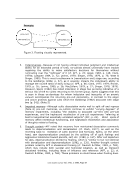
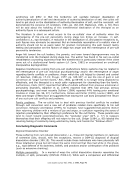
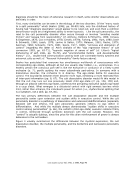
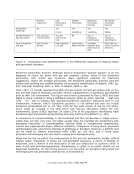
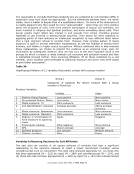
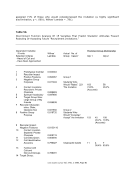
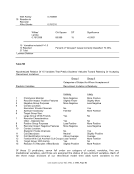
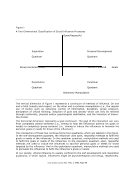
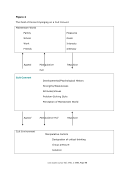
Caretaker and exploitative relationships, however, are sometimes appropriate. Using
manipulative, behavior-modification methods to treat the mentally retarded, for example, is
often an acceptable caretaker mode of influence. Exploitative relationships may sometimes
be acceptable (e.g., undercover police work), but usually are, at best, merely tolerated
(e.g., shady sales practices), sometimes within legally defined boundaries (e.g., consumer
protection laws).
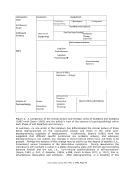
In the caretaker and exploitation quadrants, one finds cultic relationships, which, according
to Margaret Singer, are ―those relationships in which a person intentionally induces others
to become totally or nearly totally dependent on him or her for almost all major life
decisions, and inculcates in these followers a belief that he or she has some special talent,
gift, or knowledge‖ (Singer, in press). Hence, if one enters into an inappropriate caretaker
relationship (e.g., a therapist with a relatively well functioning client) or an exploitative
relationship and exacerbates one‘s ethical transgression by carrying the relationship to a
point where one is running another‘s life, one has established a cultic relationship. Although
in extreme cases, existing laws permit some redress, our society, for the most part,
tolerates such relationships in the interest of preserving freedom. (There have, however,
been unsuccessful attempts to extend state regulation in this area, e.g., a conservatorship
bill in the state of New Jersey, c.f., Jersey conservatorship bill draws support, criticism, The
Advisor, April/May 1983).
Because of our society‘s toleration of such cultic relationships, cultists‘ parents will often feel
much anger and frustration. They are angry because they see their child being exploited
they are frustrated because they feel helpless to do anything about it.
Whether or not society should pass legislation extending state regulation over cultic
relationships is not a concern of this paper (see Delgado, 1984, Luckstead &Martel, 1982
and Robbins, Shepherd, &McBride, in press, for discussions of legal issues). The paper
attempts, instead, to offer suggestions on how parents can respond constructively, given
the existing legal and ethical context.
This legal/ethical context bears on the parents‘ actions, as well as their evaluation of the
cult‘s behavior toward their child. Involuntary deprogramming, for example, poses serious
legal risks (as well as ethical questions), regardless of how justified it may seem to parents
who consider it. In addition, one would have to question the ethical propriety of parents‘
resorting to manipulative techniques of influence merely to alleviate their own anxiety, e.g.,
because their child‘s behavior embarrasses them. Although less dubious, the establishment
of a caretaker relationship with an adult child would also tend to arouse suspicion, even
though it may. sometimes be appropriate.
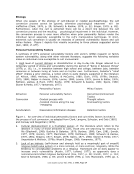
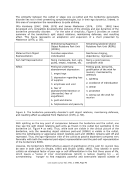
The suggestions made in this paper tend to fall in the self-development quadrant in that the
parents‘ behavior would tend to be open, respectful, and concerned with the child‘s well-
being. A sense of manipulativeness may enter the relationship, but this is usually because
an appropriate resolution of the conflict between parent and child demands self-control and
deliberation on the parents‘ part. They may, for example, sometimes find it necessary to
have hidden agendas. The level of manipulativeness they may need to employ, however, is
relatively low. Furthermore, assuming that their child is, in fact, the victim of a cultic
relationship, a moderate caretaker mode is justified because a) the cultist‘s autonomy and
judgment have been diminished, b) the cultist is harmed by the cultic relationship, and c) a
person‘s family traditionally has more ethical latitude in social influence processes involving
him than do persons from outside the family.
In conclusion, if they want to maintain their ethical bearings, parents should continually
monitor the ethical propriety of their actions. They should avoid using manipulative
techniques of influence In order merely to fulfill their goals or needs. And they should make
Caretaker and exploitative relationships, however, are sometimes appropriate. Using
manipulative, behavior-modification methods to treat the mentally retarded, for example, is
often an acceptable caretaker mode of influence. Exploitative relationships may sometimes
be acceptable (e.g., undercover police work), but usually are, at best, merely tolerated
(e.g., shady sales practices), sometimes within legally defined boundaries (e.g., consumer
protection laws).
In the caretaker and exploitation quadrants, one finds cultic relationships, which, according
to Margaret Singer, are ―those relationships in which a person intentionally induces others
to become totally or nearly totally dependent on him or her for almost all major life
decisions, and inculcates in these followers a belief that he or she has some special talent,
gift, or knowledge‖ (Singer, in press). Hence, if one enters into an inappropriate caretaker
relationship (e.g., a therapist with a relatively well functioning client) or an exploitative
relationship and exacerbates one‘s ethical transgression by carrying the relationship to a
point where one is running another‘s life, one has established a cultic relationship. Although
in extreme cases, existing laws permit some redress, our society, for the most part,
tolerates such relationships in the interest of preserving freedom. (There have, however,
been unsuccessful attempts to extend state regulation in this area, e.g., a conservatorship
bill in the state of New Jersey, c.f., Jersey conservatorship bill draws support, criticism, The
Advisor, April/May 1983).
Because of our society‘s toleration of such cultic relationships, cultists‘ parents will often feel
much anger and frustration. They are angry because they see their child being exploited
they are frustrated because they feel helpless to do anything about it.
Whether or not society should pass legislation extending state regulation over cultic
relationships is not a concern of this paper (see Delgado, 1984, Luckstead &Martel, 1982
and Robbins, Shepherd, &McBride, in press, for discussions of legal issues). The paper
attempts, instead, to offer suggestions on how parents can respond constructively, given
the existing legal and ethical context.
This legal/ethical context bears on the parents‘ actions, as well as their evaluation of the
cult‘s behavior toward their child. Involuntary deprogramming, for example, poses serious
legal risks (as well as ethical questions), regardless of how justified it may seem to parents
who consider it. In addition, one would have to question the ethical propriety of parents‘
resorting to manipulative techniques of influence merely to alleviate their own anxiety, e.g.,
because their child‘s behavior embarrasses them. Although less dubious, the establishment
of a caretaker relationship with an adult child would also tend to arouse suspicion, even
though it may. sometimes be appropriate.
The suggestions made in this paper tend to fall in the self-development quadrant in that the
parents‘ behavior would tend to be open, respectful, and concerned with the child‘s well-
being. A sense of manipulativeness may enter the relationship, but this is usually because
an appropriate resolution of the conflict between parent and child demands self-control and
deliberation on the parents‘ part. They may, for example, sometimes find it necessary to
have hidden agendas. The level of manipulativeness they may need to employ, however, is
relatively low. Furthermore, assuming that their child is, in fact, the victim of a cultic
relationship, a moderate caretaker mode is justified because a) the cultist‘s autonomy and
judgment have been diminished, b) the cultist is harmed by the cultic relationship, and c) a
person‘s family traditionally has more ethical latitude in social influence processes involving
him than do persons from outside the family.
In conclusion, if they want to maintain their ethical bearings, parents should continually
monitor the ethical propriety of their actions. They should avoid using manipulative
techniques of influence In order merely to fulfill their goals or needs. And they should make