Cultic Studies Journal, Vol. 2 No. 1 1985, Page 36
ego strength (Goldberg &Goldberg, 1982, p. 168), and one of the following
catalysts or triggers:
a. Key (cult-used) symbolic words, ideas, music, or chanting (Goldberg &
Goldberg, 1982, p. 168 Singer, 1979, p. 78)
b. Emotional conflict, stress, anxiety, depression, difficulty in making a decision,
or powerful emotional stimulation (Burtner, 1950, t. 3, s. 2 Singer, 1979, p.
78 Spero, 1982, p. 341) or
c. Simply having no focus (Singer, 1979, p. 79).
What occurs from such a mental reaction is best portrayed by Levine (1979):
An experience somewhat akin to ‗flashbacks‘ among psychedelic chemical
users occurs occasionally to ex-cultists. There is a sudden feeling of having
been carried back against their will to an intense emotional state or even an
altered state of consciousness. The individual tells you that he experiences
‗being there‘ in the cult, he‘ can ‗hear‘ the liturgy or chants, songs or
sermons. This is followed immediately by intense fear and confusion. (p. 599)
Perhaps, Spero (1982) might see this as a flashback to symbiotic linkage with the cult via a
combination of simultaneous dedifferentiated reality frames of self-cult and memory-dream
(cf. p. 338). In addition to Levine, seven others (Burtner, 1980, t. 3, s. 2 Conway &
Siegelman, 1978, p. 68 Goldberg &Goldberg 1982, p. 168 Langone, 1984, p. 72 Singer,
1979, p. 79) have seen floating as a return of the cult mind set. However, the AFF work has
differed from the usual view of floating by preferring to employ the term to mean
―dissociative states in which they often ‗float‘ between their cult and reawakening pre-cult
personality‖ (p. 62 cf. Appel, 1983, p. 146). This is a disturbance in the flow of
consciousness where ―the ex-cultist seems to vacillate from cult to non-cult ways of thinking
and responding to the world‖ (AFF, p. 22). Perhaps, it may be related to the ―transitional
zone‖ Beahrs (1982) referred to, between the ―waking‖ state and the trance of hypnosis (p.
20). Although Conway and Siegelman (1978) have associated floating with a return of the
cult mind set (p. 68), they have also referred to it as ―the limbo of conflicting emotions that
often follows an intense snapping experience‖ (p.210). Thus, frustrating emotional stimuli
will trigger snapping in the ex-cultist, which in turn triggers the floating. However, the fact
that this floating contains conflicting feelings suggests that it is quite different from the
frozen mind set of the cultist. While the danger is very real for the refreezing to occur
should the ex-cultist listen to this impulse to return to the cult (often a major component of
floating--cf. Appel, 1983, pp. 142, 148 Schwartz &Kaslow, 1979, p. 23 Stoner &Parke,
1977, p. 404), floating is best described as remaining quite fluid, i.e., ―slush,‖ a mixture of
cold water and ice.
In summary, the term floating has been used to describe the experience of slipping back
into a dissociative state of mind which may represent a return of the cult mind set, an
altered state of consciousness somewhere in between the cult mind set and the reemerging
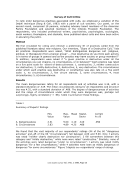
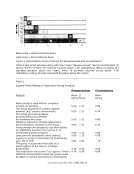
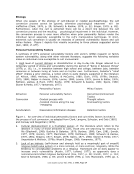
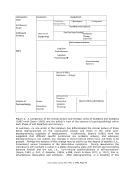
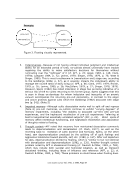
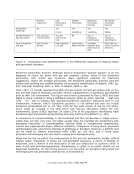
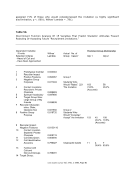
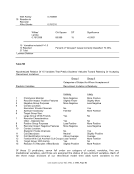
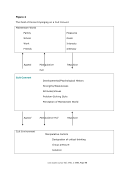
pre-cult personality, or both. Figure 3 portrays this dissociative state visually.
ego strength (Goldberg &Goldberg, 1982, p. 168), and one of the following
catalysts or triggers:
a. Key (cult-used) symbolic words, ideas, music, or chanting (Goldberg &
Goldberg, 1982, p. 168 Singer, 1979, p. 78)
b. Emotional conflict, stress, anxiety, depression, difficulty in making a decision,
or powerful emotional stimulation (Burtner, 1950, t. 3, s. 2 Singer, 1979, p.
78 Spero, 1982, p. 341) or
c. Simply having no focus (Singer, 1979, p. 79).
What occurs from such a mental reaction is best portrayed by Levine (1979):
An experience somewhat akin to ‗flashbacks‘ among psychedelic chemical
users occurs occasionally to ex-cultists. There is a sudden feeling of having
been carried back against their will to an intense emotional state or even an
altered state of consciousness. The individual tells you that he experiences
‗being there‘ in the cult, he‘ can ‗hear‘ the liturgy or chants, songs or
sermons. This is followed immediately by intense fear and confusion. (p. 599)
Perhaps, Spero (1982) might see this as a flashback to symbiotic linkage with the cult via a
combination of simultaneous dedifferentiated reality frames of self-cult and memory-dream
(cf. p. 338). In addition to Levine, seven others (Burtner, 1980, t. 3, s. 2 Conway &
Siegelman, 1978, p. 68 Goldberg &Goldberg 1982, p. 168 Langone, 1984, p. 72 Singer,
1979, p. 79) have seen floating as a return of the cult mind set. However, the AFF work has
differed from the usual view of floating by preferring to employ the term to mean
―dissociative states in which they often ‗float‘ between their cult and reawakening pre-cult
personality‖ (p. 62 cf. Appel, 1983, p. 146). This is a disturbance in the flow of
consciousness where ―the ex-cultist seems to vacillate from cult to non-cult ways of thinking
and responding to the world‖ (AFF, p. 22). Perhaps, it may be related to the ―transitional
zone‖ Beahrs (1982) referred to, between the ―waking‖ state and the trance of hypnosis (p.
20). Although Conway and Siegelman (1978) have associated floating with a return of the
cult mind set (p. 68), they have also referred to it as ―the limbo of conflicting emotions that
often follows an intense snapping experience‖ (p.210). Thus, frustrating emotional stimuli
will trigger snapping in the ex-cultist, which in turn triggers the floating. However, the fact
that this floating contains conflicting feelings suggests that it is quite different from the
frozen mind set of the cultist. While the danger is very real for the refreezing to occur
should the ex-cultist listen to this impulse to return to the cult (often a major component of
floating--cf. Appel, 1983, pp. 142, 148 Schwartz &Kaslow, 1979, p. 23 Stoner &Parke,
1977, p. 404), floating is best described as remaining quite fluid, i.e., ―slush,‖ a mixture of
cold water and ice.
In summary, the term floating has been used to describe the experience of slipping back
into a dissociative state of mind which may represent a return of the cult mind set, an
altered state of consciousness somewhere in between the cult mind set and the reemerging
pre-cult personality, or both. Figure 3 portrays this dissociative state visually.