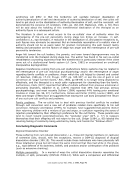
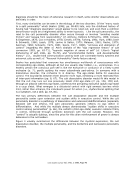
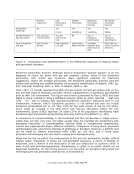
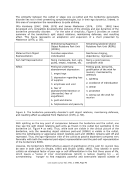
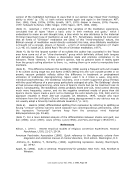
Cultic Studies Journal, Vol. 2 No. 1 1985, Page 78
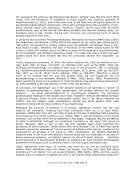
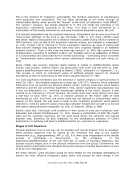
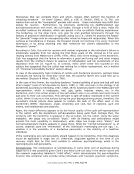
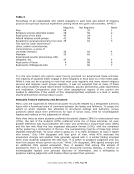
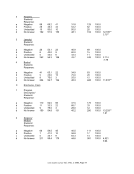
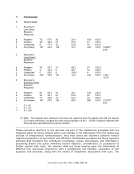
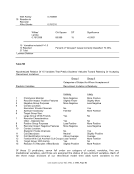
III Paralanguage
A Tone of Voice
1 Recruiter‟s
Low Voice/
Students‟
Response:
a Negative 73 67.6 35 32.4 108 100.0
b Positive 20 32.8 41 67.2 61 100.0
c Undecided 9 47.4 10 52.6 19 100.0
d No Answer 187 55.8 148 44.2 335 100.0 19.626**
0.60
2 Recruiter‟s
Loud Voice/
Students‟
Response:
a Negative 36 53.7 31 46.3 67 100.0
b Positive 4 33.3 8 66.7 12 100.0
c Undecided 0 00.0 4 100.0 4 100.0
d No Answer 249 56.6 191 43.4 440 100.0 7.653
-2.03*
3 Recruiter‟s
Soothing Voice/
Students‟
Response:
a Negative 81 64.3 45 35.7 126 100.0
b Positive 30 36.1 53 63.9 83 100.0
c Undecided 11 45.8 13 54.2 24 100.0
d No Answer 167 57.6 123 42.4 290 100.0 17.916**
0.07
*P .05
**P .01
***P .001
(1) Note: Ten subjects who checked more than one response and 78 subjects who did not answer
Q.18 were eliminated, bringing the total study population to 912. 523/912 subjects reported that
they had been approached by a group member.
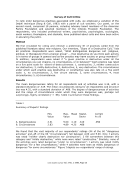
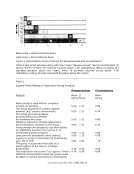
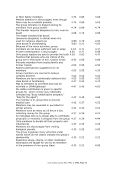
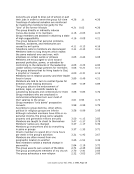
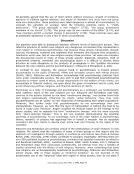
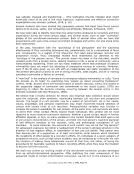
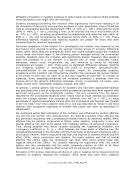
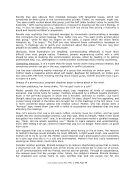
These evaluative reactions to the recruiter are part of the mediational processes that are
triggered either by direct contact with a cult member or by information from the media and
sources of interpersonal communication they then direct the student‘s behavior toward
rejection/acceptance of any further cult affiliation. Mediational processes are those cognitive
activities that transform the individual‘s knowledge, values, stereotypes, and information-
processing biases into action intentions toward rejection, consideration, or acceptance of
further contact with cults. The relevant data are those bearing upon the dimensions of
affective ties, perceived congruence with a prototypical cult member, evaluation of cult
purposes and activities, along with the extent of empathetic association with cults. The
III Paralanguage
A Tone of Voice
1 Recruiter‟s
Low Voice/
Students‟
Response:
a Negative 73 67.6 35 32.4 108 100.0
b Positive 20 32.8 41 67.2 61 100.0
c Undecided 9 47.4 10 52.6 19 100.0
d No Answer 187 55.8 148 44.2 335 100.0 19.626**
0.60
2 Recruiter‟s
Loud Voice/
Students‟
Response:
a Negative 36 53.7 31 46.3 67 100.0
b Positive 4 33.3 8 66.7 12 100.0
c Undecided 0 00.0 4 100.0 4 100.0
d No Answer 249 56.6 191 43.4 440 100.0 7.653
-2.03*
3 Recruiter‟s
Soothing Voice/
Students‟
Response:
a Negative 81 64.3 45 35.7 126 100.0
b Positive 30 36.1 53 63.9 83 100.0
c Undecided 11 45.8 13 54.2 24 100.0
d No Answer 167 57.6 123 42.4 290 100.0 17.916**
0.07
*P .05
**P .01
***P .001
(1) Note: Ten subjects who checked more than one response and 78 subjects who did not answer
Q.18 were eliminated, bringing the total study population to 912. 523/912 subjects reported that
they had been approached by a group member.
These evaluative reactions to the recruiter are part of the mediational processes that are
triggered either by direct contact with a cult member or by information from the media and
sources of interpersonal communication they then direct the student‘s behavior toward
rejection/acceptance of any further cult affiliation. Mediational processes are those cognitive
activities that transform the individual‘s knowledge, values, stereotypes, and information-
processing biases into action intentions toward rejection, consideration, or acceptance of
further contact with cults. The relevant data are those bearing upon the dimensions of
affective ties, perceived congruence with a prototypical cult member, evaluation of cult
purposes and activities, along with the extent of empathetic association with cults. The