Cultic Studies Journal, Vol. 2 No. 1 1985, Page 82
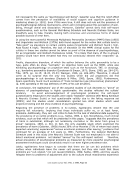
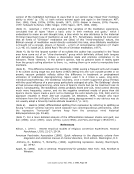
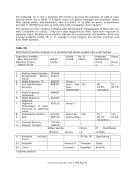
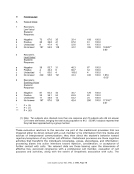
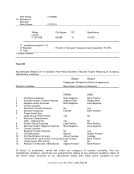
With Family 0.784669
15 Reaction to
Recruiter
Affect Bonds 0.781210
Wilkes‟ Chi Square DF Significance
Lamda
0.7812096 89.999 15 0.0001
15 Variables included F1.0
12 Rejected Percent of “Grouped” Cases Correctly Classified: 72.46%
27 Total
*Listwise Deletion
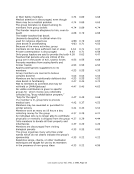
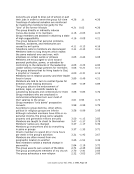
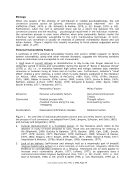
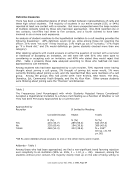
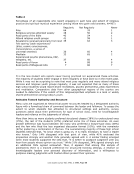
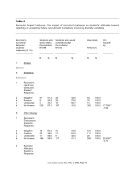
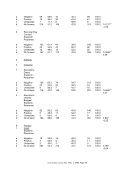
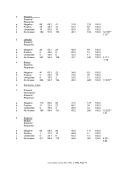
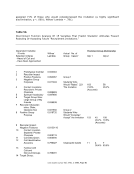
Table 5B
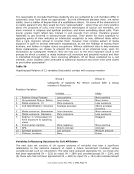
Hypothesized Relation Of 15 Variables That Predict Students‟ Attitudes Toward Rejecting Or Accepting
„Recruitment Invitations‟
Group I Group II
Categories of Subject for Whom Acceptance of
Predictor Variables Recruitment Invitation is Relatively:
Unlikely Likely
1 Prototypical Member More Negative More Positive
2 Recruiter Impact: Positive Features Slightly Fewer Slightly More
3 Negative Group Purposes More Negative Less Negative
4 Contact Location:
Recruiters‟ Private Channels No Yes
5 Spiritual Vocabulary Familiar More Familiar
6 Target Group Size:
Large Group Of My Friends Yes No
7 Recruiter Characteristics:
Older -Opposite Sex Yes No
8 Positive Group Purposes Less Positive More Positive
9 Recruiter Impact: Negative Features More Negative Less Negative
10 Contact Location:
Students‟ Private Channels No Yes
11 Cult Descriptors Neutral Slightly Positive
12 Cult Identification Accuracy Above Average Average
13 Familiar With Cult And Non-Cult Groups Less Familiar More Familiar
14 Target Group: With Family Yes No
15 Reaction To Recruiter: Affect Bonds Slightly Positive More Positive
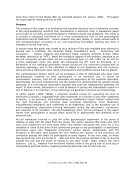
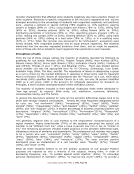
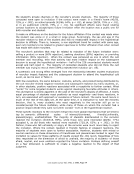
Of these 15 predictors, seven fall under our category of contact variables, five are
mediational variables, and three are assigned the status of pre-contract variables. Each of
the three major divisions of our theoretical model then adds some variables to the