Cultic Studies Journal, Vol. 2 No. 1 1985, Page 45
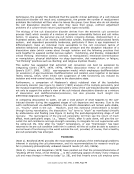
The similarity between the cultist or stage one ex-cultist and the borderline personality
disorder lies not in their presenting symptomatologies, but in their ego dynamics. Indeed, in
this area of comparison the resemblance Is quite striking.
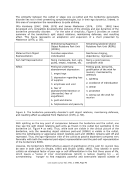
Otto Kernberg (1967, 1968, 1975) and James Masterson (1976, 1978, 1981) have
developed very compatible developmental pictures of the etiology and ego dynamics of the
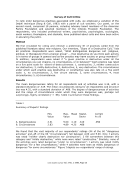
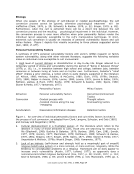
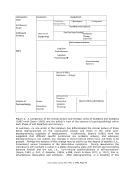
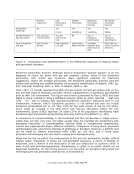
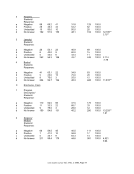
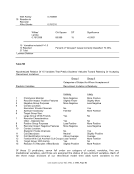
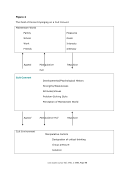
borderline personality disorder. For the sake of simplicity, Figure 5 provides an overall
summary of the borderline‘s split object relations, maintaining defenses, and resulting
affect. This figure represents an adaptation and expansion of a chart presented by
Masterson (1976, p. 58).
Withdrawing/Aggressive
Object Relations Part-Unit
(WORU)
Rewarding/Libidinal Object
Relations Part-Unit (RORU)
Maternal Part-Object
Representation
Punishes separation-
individuation
Reinforces clinging,
dependency, regression
Part-Self Representation Being inadequate, bad, ugly,
guilty, empty, helpless, etc.
Being a good passive,
compliant child
Affect Profound underlying
abandonment depression:
1. anger/rage
2. depression regarding loss
of supplies
3. emptiness and void
4. fear of
abandonment/rejection or
(the earlier) fear of
engulfment
5. guilt and shame
6. helplessness and passivity
Feeling good, being fed,
gratification of the wish for
reunion maintained by
defenses
1. splitting
2. avoidance of individuation
3. denial
4. projection
5. acting out the wish for
reunion
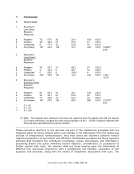
Figure 5. The borderline personality disorder‘s split object relations, maintaining defenses,
and resulting affect as adapted from Masterson (1976, p. 58).
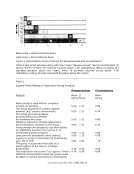
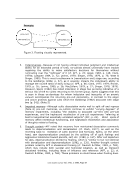
With splitting as the key point of comparison between the borderline and the cultist, one
may see the split object relations part-units as frozen in the cultist but vacillating in the
borderline (cf. Figure 4 as well). Thus, while both are visible in the clinical picture of the
borderline, only the rewarding object relations part-unit (RORU) is visible in the cultist,
while the withdrawing or aggressive object relations part-unit (WORU) remains split off and
repressed. Thus, the ego-regression view of the cultist as passive dependent compares very
favorably with both the maternal part-object representation and the part-self representation
of the borderline‘s RORU.
Likewise, the borderline‘s RORU affective aspect of gratification of the wish for reunion may
be seen in both Cath (in Shubin, 1980) and Shubin (1980, 1982). They identify in some
cultists an etiological factor of poor ego or self-differentiation in the first three years of life,
which leaves a ―sense of inner incompleteness (which) is radical, (leading to) ...an
overwhelming ‗hunger‘ to find magically powerful and benevolent objects outside of
The similarity between the cultist or stage one ex-cultist and the borderline personality
disorder lies not in their presenting symptomatologies, but in their ego dynamics. Indeed, in
this area of comparison the resemblance Is quite striking.
Otto Kernberg (1967, 1968, 1975) and James Masterson (1976, 1978, 1981) have
developed very compatible developmental pictures of the etiology and ego dynamics of the
borderline personality disorder. For the sake of simplicity, Figure 5 provides an overall
summary of the borderline‘s split object relations, maintaining defenses, and resulting
affect. This figure represents an adaptation and expansion of a chart presented by
Masterson (1976, p. 58).
Withdrawing/Aggressive
Object Relations Part-Unit
(WORU)
Rewarding/Libidinal Object
Relations Part-Unit (RORU)
Maternal Part-Object
Representation
Punishes separation-
individuation
Reinforces clinging,
dependency, regression
Part-Self Representation Being inadequate, bad, ugly,
guilty, empty, helpless, etc.
Being a good passive,
compliant child
Affect Profound underlying
abandonment depression:
1. anger/rage
2. depression regarding loss
of supplies
3. emptiness and void
4. fear of
abandonment/rejection or
(the earlier) fear of
engulfment
5. guilt and shame
6. helplessness and passivity
Feeling good, being fed,
gratification of the wish for
reunion maintained by
defenses
1. splitting
2. avoidance of individuation
3. denial
4. projection
5. acting out the wish for
reunion
Figure 5. The borderline personality disorder‘s split object relations, maintaining defenses,
and resulting affect as adapted from Masterson (1976, p. 58).
With splitting as the key point of comparison between the borderline and the cultist, one
may see the split object relations part-units as frozen in the cultist but vacillating in the
borderline (cf. Figure 4 as well). Thus, while both are visible in the clinical picture of the
borderline, only the rewarding object relations part-unit (RORU) is visible in the cultist,
while the withdrawing or aggressive object relations part-unit (WORU) remains split off and
repressed. Thus, the ego-regression view of the cultist as passive dependent compares very
favorably with both the maternal part-object representation and the part-self representation
of the borderline‘s RORU.
Likewise, the borderline‘s RORU affective aspect of gratification of the wish for reunion may
be seen in both Cath (in Shubin, 1980) and Shubin (1980, 1982). They identify in some
cultists an etiological factor of poor ego or self-differentiation in the first three years of life,
which leaves a ―sense of inner incompleteness (which) is radical, (leading to) ...an
overwhelming ‗hunger‘ to find magically powerful and benevolent objects outside of