Cultic Studies Review, Vol. 9, No. 1, 2010, Page 94
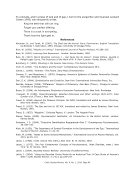
References
Andres, R., and Lane, J. R. (1988). Cults and Consequences: A Definitive Handbook. Commission on
Cults &Missionaries: Jewish Federation Council of Greater Los Angeles, Wilshire Blvd., Los
Angeles, CA 90048.
Bolton, G., Field, V., and Thompson, K. (2006). Writing Works: A Resource Handbook for Therapeutic
Writing Workshops and Activities (Writing for Therapy or Personal Development). Jessica
Kingsley: London.
Cassidy, S. (1991). Good Friday People. Darton, Longman, and Todd: London.
Hassan, S. (2000). Releasing the Bonds: Empowering People to Think for Themselves. Freedom of
Mind Press: Sommerville, MA.
Haworth, I. (2001). Cults: A Practical Guide. Cult Information Centre: London.
Jenkinson, G. (2008). ―An Investigation into Cult Pseudo-Personality: What Is It and How Does It
Form?‖ Cultic Studies Review, Vol. 7, No. 3, page 199.
Lalich, J. (2004). Bounded Choice. University of California Press: Berkeley, CA.
Lalich, J., and Tobias, M. (2006). Take Back Your Life. Bay Tree Publishing: Pt. Richmond, CA.
Langone, M. D. (Editor). (1993). Recovery From Cults: Help for Victims of Psychological and Spiritual
Abuse. W. W. Norton and Company: New York, NY.
Lifton, R. J. (1961). Thought Reform and the Psychology of Totalism: A Study of Brainwashing in
China. W. W. Norton and Company: New York, NY.
Mackewn, J. (1997). Developing Gestalt Psychotherapy. Sage Publications: London.
Martin, P. R. (1993). Cult-Proofing Your Kids. Zondervan Publishing House: Grand Rapids, Michigan.
Ogden, P., Minton, K., and Pain, C. (2006). Trauma and the Body: A Sensorimotor Approach to
Psychotherapy. W. W. Norton &Company: New York &London.
Perls, F., Hefferline, R. F., and Goodman P (1951). Gestalt Therapy: Excitement and Growth in the
Human Personality. Spuvenir Press: London.
Rogers, C. R. (1967). On Becoming a Person. Constable: London.
Rogers, N. (2008). Giving Life to Carl Rogers‘ Theory of Creativity. Retrieved online at:
http://www.nrogers.com/GivingLife.pdf
Singer, M. (2003). Cults in Our Midst: The Hidden Menace in Our Everyday Lives. Jossey-Bass
Publishers: San Francisco.
Stevens, C. (2004). ―Playing in the Sand.‖ The British Gestalt Journal, Volume 13, no 1, pp. 18–23.
West, L. J., and Martin, P. R. in S. J. Lynn and J. W. Rhue, (Editors). (1994). Chapter 13, ―Pseudo-
identity and the Treatment of Personality Change in Victims of Captivity and Cults.‖ Dissociation:
Clinical and Theoretical Perspectives. Guilford Publications Inc.: New York, Oregon.
West L. J., and Martin P. R.. (1996). ―Pseudo-Identity and the Treatment of Identity Change in
Captives and Cults.‖ Cultic Studies Journal, Vol. 13, No. 2.
Winnicott D. W. (2005). Playing and Reality. Routledge Classics Edition: London and New York.
Yancy, P. (1990). Where Is God When It Hurts? Marshall Pickering: London.
Yontef, G. (1993). Awareness, Dialogue and Process: Essays on Gestalt Therapy. Gestalt Journal
Press: Highland, NY.
Zinker, J. (1977) Creative Process in Gestalt Therapy. Vintage Books: New York.
Gillie Jenkinson, M.A., UKCP, has many years‘ experience working as a counselor and
psychotherapist, including specialist therapy to those who have left cults and been abused.
She holds an Advanced Diploma in Pastoral Counseling and an MA in Gestalt Psychotherapy.
She is accredited in the UK with UKCP. In 1999 Ms. Jenkinson did a month-long internship
at Wellspring, Ohio and returned there in the summer of 2008. She has co-authored a
chapter entitled ―Pathological Spirituality‖ for a medical textbook entitled Spirituality and
Psychiatry, and has presented at a number of ICSA conferences. Her website is
www.hopevalleycounselling.com
This article is an electronic version of an article originally published in Cultic Studies Review, 2010, Volume 9, Number 1,
pages 135-163. Please keep in mind that the pagination of this electronic reprint differs from that of the bound volume.
This fact could affect how you enter bibliographic information in papers that you may write.
References
Andres, R., and Lane, J. R. (1988). Cults and Consequences: A Definitive Handbook. Commission on
Cults &Missionaries: Jewish Federation Council of Greater Los Angeles, Wilshire Blvd., Los
Angeles, CA 90048.
Bolton, G., Field, V., and Thompson, K. (2006). Writing Works: A Resource Handbook for Therapeutic
Writing Workshops and Activities (Writing for Therapy or Personal Development). Jessica
Kingsley: London.
Cassidy, S. (1991). Good Friday People. Darton, Longman, and Todd: London.
Hassan, S. (2000). Releasing the Bonds: Empowering People to Think for Themselves. Freedom of
Mind Press: Sommerville, MA.
Haworth, I. (2001). Cults: A Practical Guide. Cult Information Centre: London.
Jenkinson, G. (2008). ―An Investigation into Cult Pseudo-Personality: What Is It and How Does It
Form?‖ Cultic Studies Review, Vol. 7, No. 3, page 199.
Lalich, J. (2004). Bounded Choice. University of California Press: Berkeley, CA.
Lalich, J., and Tobias, M. (2006). Take Back Your Life. Bay Tree Publishing: Pt. Richmond, CA.
Langone, M. D. (Editor). (1993). Recovery From Cults: Help for Victims of Psychological and Spiritual
Abuse. W. W. Norton and Company: New York, NY.
Lifton, R. J. (1961). Thought Reform and the Psychology of Totalism: A Study of Brainwashing in
China. W. W. Norton and Company: New York, NY.
Mackewn, J. (1997). Developing Gestalt Psychotherapy. Sage Publications: London.
Martin, P. R. (1993). Cult-Proofing Your Kids. Zondervan Publishing House: Grand Rapids, Michigan.
Ogden, P., Minton, K., and Pain, C. (2006). Trauma and the Body: A Sensorimotor Approach to
Psychotherapy. W. W. Norton &Company: New York &London.
Perls, F., Hefferline, R. F., and Goodman P (1951). Gestalt Therapy: Excitement and Growth in the
Human Personality. Spuvenir Press: London.
Rogers, C. R. (1967). On Becoming a Person. Constable: London.
Rogers, N. (2008). Giving Life to Carl Rogers‘ Theory of Creativity. Retrieved online at:
http://www.nrogers.com/GivingLife.pdf
Singer, M. (2003). Cults in Our Midst: The Hidden Menace in Our Everyday Lives. Jossey-Bass
Publishers: San Francisco.
Stevens, C. (2004). ―Playing in the Sand.‖ The British Gestalt Journal, Volume 13, no 1, pp. 18–23.
West, L. J., and Martin, P. R. in S. J. Lynn and J. W. Rhue, (Editors). (1994). Chapter 13, ―Pseudo-
identity and the Treatment of Personality Change in Victims of Captivity and Cults.‖ Dissociation:
Clinical and Theoretical Perspectives. Guilford Publications Inc.: New York, Oregon.
West L. J., and Martin P. R.. (1996). ―Pseudo-Identity and the Treatment of Identity Change in
Captives and Cults.‖ Cultic Studies Journal, Vol. 13, No. 2.
Winnicott D. W. (2005). Playing and Reality. Routledge Classics Edition: London and New York.
Yancy, P. (1990). Where Is God When It Hurts? Marshall Pickering: London.
Yontef, G. (1993). Awareness, Dialogue and Process: Essays on Gestalt Therapy. Gestalt Journal
Press: Highland, NY.
Zinker, J. (1977) Creative Process in Gestalt Therapy. Vintage Books: New York.
Gillie Jenkinson, M.A., UKCP, has many years‘ experience working as a counselor and
psychotherapist, including specialist therapy to those who have left cults and been abused.
She holds an Advanced Diploma in Pastoral Counseling and an MA in Gestalt Psychotherapy.
She is accredited in the UK with UKCP. In 1999 Ms. Jenkinson did a month-long internship
at Wellspring, Ohio and returned there in the summer of 2008. She has co-authored a
chapter entitled ―Pathological Spirituality‖ for a medical textbook entitled Spirituality and
Psychiatry, and has presented at a number of ICSA conferences. Her website is
www.hopevalleycounselling.com
This article is an electronic version of an article originally published in Cultic Studies Review, 2010, Volume 9, Number 1,
pages 135-163. Please keep in mind that the pagination of this electronic reprint differs from that of the bound volume.
This fact could affect how you enter bibliographic information in papers that you may write.