Cultic Studies Review, Vol. 9, No. 1, 2010, Page 29
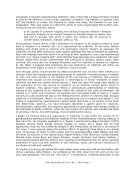
suppressed. A key component of creativity via fluid symbol creation is joy. In this way, joy
is also stopped as a subjective and authentic experience.
8. Multidisciplinary Emphasis on Emotion—Emotion/Thought/Symbol/Creativity
Equating emotion and creativity must be understood within the context of the history of
Western philosophy and art in the past 200 years. Emotion as a focus of interest in other
fields also traditionally has been marginal. Writes James Hitt, Ph.D., one reviewer of
LeDoux‘s The Emotional Brain, ―The study of the emotions has been relatively neglected by
neuroscientists, cognitive scientists, and philosophers, but recently the tide has been
turning‖ (Hitt, 2000).
Underscoring the interrelatedness of thought and emotion before this tide turned, May
(1994) refers to there being ―data in Rorschach responses … that indicate that people can
more accurately observe precisely when they are emotionally involved—that is, reason
works better when emotions are present...‖ (p. 49). The tamping down of emotions in cults
in turn leads toward a diminishment of critical thinking and the power of reasoning. I
present a brief historic overview of the role of emotion in Western art and philosophy.
As noted above, beliefs about creativity have changed over the history of Western art.
Emotion as part of subjective experience is relatively new to an art historical and/or
philosophical concept of creativity. Recent commentary about Benedetto Croce in the early
twentieth century, based on content in Hofstadter and Kuhns‘ collection (1964),
Philosophies of Art and Beauty: Selected Readings in Aesthetics from Plato to Heidegger,
notes that ―because of feeling, an image can become an intuition,‖ and that Croce identifies
intuition with expression: ―With this achievement art becomes a symbol of feeling‖ (p. 556).
The commentary continues,
…Not the idea, but the feeling, is what confers upon art the airy lightness of
the symbol... He thus sets the outlook of most twentieth-century philosophies
of art which replace the concept of beauty with that of expression, or identify
beauty, as Croce does, with expression. (p. 555)
Croce describes art as a ―lyrical intuition‖ Suzanne Langer further developed this idea that
―art is the creation of forms symbolic of human feeling‖ (Hofstadter and Kuhns, 1964, p.
556).
This special issue of CSR, The Last Draw—Cults and Creativity, explores both opportunities
and restrictions of human creativity against the backdrop of cults. The introduction and
articles witness the pain and loss suffered by individuals who have experienced suppression
of creativity within cults, and also the resilience of the creative spirit, particularly in post-
cult recovery. The recent recognition by neuroscience and cognitive psychology of the
importance of emotion in creativity gives renewed validity to the emphasis
in psychodynamic psychology on the essential human process of subjective creation of
meaning that relies on and also fosters a sense of freedom. It is my hope that this special
issue will bring cultic studies to the awareness of the new science of creativity, to which it
offers an extreme context within which to explore individualist and contextualist
perspectives of creativity. The suppression of creativity pervasive within cults represents a
huge and painful cost not only to members, SGAs, families, and friends of those involved,
but also to society, which holds freedom as its highest value. Writes Rollo May, ―[c]reativity
requires courage under the least extensive oppressive of situations—this courage is of the
internal sort‖ (p. 20). We can support this courage. Alexandra Stein, sociologist, author, and
former member, writes (2001),
Our efforts are important. They are important in helping people identify
coercive psychological manipulation and in preventing the loss of life, and the
suppressed. A key component of creativity via fluid symbol creation is joy. In this way, joy
is also stopped as a subjective and authentic experience.
8. Multidisciplinary Emphasis on Emotion—Emotion/Thought/Symbol/Creativity
Equating emotion and creativity must be understood within the context of the history of
Western philosophy and art in the past 200 years. Emotion as a focus of interest in other
fields also traditionally has been marginal. Writes James Hitt, Ph.D., one reviewer of
LeDoux‘s The Emotional Brain, ―The study of the emotions has been relatively neglected by
neuroscientists, cognitive scientists, and philosophers, but recently the tide has been
turning‖ (Hitt, 2000).
Underscoring the interrelatedness of thought and emotion before this tide turned, May
(1994) refers to there being ―data in Rorschach responses … that indicate that people can
more accurately observe precisely when they are emotionally involved—that is, reason
works better when emotions are present...‖ (p. 49). The tamping down of emotions in cults
in turn leads toward a diminishment of critical thinking and the power of reasoning. I
present a brief historic overview of the role of emotion in Western art and philosophy.
As noted above, beliefs about creativity have changed over the history of Western art.
Emotion as part of subjective experience is relatively new to an art historical and/or
philosophical concept of creativity. Recent commentary about Benedetto Croce in the early
twentieth century, based on content in Hofstadter and Kuhns‘ collection (1964),
Philosophies of Art and Beauty: Selected Readings in Aesthetics from Plato to Heidegger,
notes that ―because of feeling, an image can become an intuition,‖ and that Croce identifies
intuition with expression: ―With this achievement art becomes a symbol of feeling‖ (p. 556).
The commentary continues,
…Not the idea, but the feeling, is what confers upon art the airy lightness of
the symbol... He thus sets the outlook of most twentieth-century philosophies
of art which replace the concept of beauty with that of expression, or identify
beauty, as Croce does, with expression. (p. 555)
Croce describes art as a ―lyrical intuition‖ Suzanne Langer further developed this idea that
―art is the creation of forms symbolic of human feeling‖ (Hofstadter and Kuhns, 1964, p.
556).
This special issue of CSR, The Last Draw—Cults and Creativity, explores both opportunities
and restrictions of human creativity against the backdrop of cults. The introduction and
articles witness the pain and loss suffered by individuals who have experienced suppression
of creativity within cults, and also the resilience of the creative spirit, particularly in post-
cult recovery. The recent recognition by neuroscience and cognitive psychology of the
importance of emotion in creativity gives renewed validity to the emphasis
in psychodynamic psychology on the essential human process of subjective creation of
meaning that relies on and also fosters a sense of freedom. It is my hope that this special
issue will bring cultic studies to the awareness of the new science of creativity, to which it
offers an extreme context within which to explore individualist and contextualist
perspectives of creativity. The suppression of creativity pervasive within cults represents a
huge and painful cost not only to members, SGAs, families, and friends of those involved,
but also to society, which holds freedom as its highest value. Writes Rollo May, ―[c]reativity
requires courage under the least extensive oppressive of situations—this courage is of the
internal sort‖ (p. 20). We can support this courage. Alexandra Stein, sociologist, author, and
former member, writes (2001),
Our efforts are important. They are important in helping people identify
coercive psychological manipulation and in preventing the loss of life, and the