Cultic Studies Review, Vol. 9, No. 1, 2010, Page 13
compulsive passion in cults, which I contrast with the joy or spontaneous passion of flow
and creativity.
2. Science of Creativity: Contextualist/Individualist Perspectives on Creativity
The contextualist view refers to the sociocultural schema that emerged out of the new
science of creativity with the works of Mihaly Csikszentmihalyi, Howard Gardner, Keith
Sawyer, and others. According to Sawyer, ―…[C]reativity … is a culturally and historically
specific idea that changes from one country to another, and from one century to another‖
(2006, p. 36). He states earlier in his text, ―I explain creativity by bringing together
psychological studies of individuals, sociological studies of creating in groups, and
anthropological studies of how people from different cultural and social backgrounds
perceive and value creative products differently‖ (p. 4).
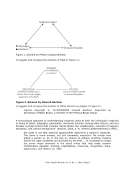
Using the individual/domain/field schema, Csikszentmihalyi (1996) provides an excellent
analysis of creativity within a particular time in history by discussing Renaissance Florence.
He writes,
Of course, the great works of Florentine art would never have been made just
because the domain of classical art had been rediscovered, or because the
rulers of the city had decided to make it beautiful. Without the individual
artist the Renaissance could not have taken place. … At the same time, it
must be recognized that without previous models and the support of the city,
Brunelleschi [architect of the dome for the Duomo of Florence] and Ghiberti
[sculptor of bronze doors for the Baptistery] could not have done what they
did. And with the favorable conjunction of field and domain, if these two
artists had not been born, some others would have stepped in their place and
built the dome and the doors. It is because of this inseparable connection that
creativity must, in the last analysis, be seen not as something happening
within a person but in the relationships within a system. (p. 36)
My focus on the individualist view from a psychodynamic perspective as both a clinical social
worker and psychoanalyst is embedded in a person-in-environment perspective that
considers home and society essential components of the individual‘s psychological
development. I therefore align with the sociocultural approach and here present a detailed
exploration of the various disciplines that contribute to my focus on the individualist view
within the broader schema. These disciplines include humanistic psychology and the work of
thinkers such as Rollo May, Carl Rogers, Morris Stein research psychology and the work of
researchers such as Graham Wallas, J. P. Guilford, Ellis Paul Torrance psychoanalysis
(thinking) and theorists such as Melanie Klein, Donald Winnicott, Wilfred Bion, Susan Deri,
Hannah Segal, Eric Rayner, Jacques Lacan and neuroscience and the work of Antonio
Damasio and Joseph LeDoux, which I explore below.
The eight authors in this issue vary in their emphasis on an individualist versus contextualist
view of creativity. They approach the theme from different combinations of psychological,
sociological, communications, art historical, and philosophical perspectives.
Miguel Perlado is a psychoanalyst who used a multifamily approach for an exit intervention
with the families of both members and leader of a music cult. In his paper, he creatively
links cult dynamics with the clinical concept of folie a deux. He presents an extensive
literature review of the concept of folie and demonstrates its usefulness in understanding
the reciprocity of influence between leader and followers. Perlado writes, ―…a group that
formed to create music with an emphasis on spontaneity paradoxically developed into a
cult-like group that undermined and controlled the members‘ creativity.‖ The individual
musicians began studying with this teacher because he spoke of musical innovations such
as novel rhythms. In time, the teacher who became the cult leader controlled the lives of
compulsive passion in cults, which I contrast with the joy or spontaneous passion of flow
and creativity.
2. Science of Creativity: Contextualist/Individualist Perspectives on Creativity
The contextualist view refers to the sociocultural schema that emerged out of the new
science of creativity with the works of Mihaly Csikszentmihalyi, Howard Gardner, Keith
Sawyer, and others. According to Sawyer, ―…[C]reativity … is a culturally and historically
specific idea that changes from one country to another, and from one century to another‖
(2006, p. 36). He states earlier in his text, ―I explain creativity by bringing together
psychological studies of individuals, sociological studies of creating in groups, and
anthropological studies of how people from different cultural and social backgrounds
perceive and value creative products differently‖ (p. 4).
Using the individual/domain/field schema, Csikszentmihalyi (1996) provides an excellent
analysis of creativity within a particular time in history by discussing Renaissance Florence.
He writes,
Of course, the great works of Florentine art would never have been made just
because the domain of classical art had been rediscovered, or because the
rulers of the city had decided to make it beautiful. Without the individual
artist the Renaissance could not have taken place. … At the same time, it
must be recognized that without previous models and the support of the city,
Brunelleschi [architect of the dome for the Duomo of Florence] and Ghiberti
[sculptor of bronze doors for the Baptistery] could not have done what they
did. And with the favorable conjunction of field and domain, if these two
artists had not been born, some others would have stepped in their place and
built the dome and the doors. It is because of this inseparable connection that
creativity must, in the last analysis, be seen not as something happening
within a person but in the relationships within a system. (p. 36)
My focus on the individualist view from a psychodynamic perspective as both a clinical social
worker and psychoanalyst is embedded in a person-in-environment perspective that
considers home and society essential components of the individual‘s psychological
development. I therefore align with the sociocultural approach and here present a detailed
exploration of the various disciplines that contribute to my focus on the individualist view
within the broader schema. These disciplines include humanistic psychology and the work of
thinkers such as Rollo May, Carl Rogers, Morris Stein research psychology and the work of
researchers such as Graham Wallas, J. P. Guilford, Ellis Paul Torrance psychoanalysis
(thinking) and theorists such as Melanie Klein, Donald Winnicott, Wilfred Bion, Susan Deri,
Hannah Segal, Eric Rayner, Jacques Lacan and neuroscience and the work of Antonio
Damasio and Joseph LeDoux, which I explore below.
The eight authors in this issue vary in their emphasis on an individualist versus contextualist
view of creativity. They approach the theme from different combinations of psychological,
sociological, communications, art historical, and philosophical perspectives.
Miguel Perlado is a psychoanalyst who used a multifamily approach for an exit intervention
with the families of both members and leader of a music cult. In his paper, he creatively
links cult dynamics with the clinical concept of folie a deux. He presents an extensive
literature review of the concept of folie and demonstrates its usefulness in understanding
the reciprocity of influence between leader and followers. Perlado writes, ―…a group that
formed to create music with an emphasis on spontaneity paradoxically developed into a
cult-like group that undermined and controlled the members‘ creativity.‖ The individual
musicians began studying with this teacher because he spoke of musical innovations such
as novel rhythms. In time, the teacher who became the cult leader controlled the lives of