Cultic Studies Review, Vol. 9, No. 1, 2010, Page 109
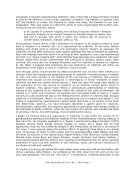
or interpret the message, which then results in some type of response through an outcome
or action.
Hall‘s (1997) theory of hegemonic decoding options the powerless use in resisting dominant
ideology supports our idea that a cult member will process thought through the peripheral
route with hegemonic decoding, or through the central route and decode the message
through one of two methods: negotiable decoding or free decoding. Therefore, our HCM
expands on the ELM by adding the negotiable decoding and free decoding options to the
central route of processing thought. For example, we illustrate in our case studies that a
cult member will, at times, accept a leader‘s labeling without question (i.e., uses the
peripheral route with hegemonic decoding) for example, a cult leader labels a member
noncreative, which the member may, at first, accept without question. This example
illustrates the member exerting no mental effort to disagree with or reject the label. The
member operates inside the dominant code her thought conforms to the group‘s ideologies
and coincides with the leader‘s preferred response. This response indicates that the I is
obscured by or subservient to me. Later, however, when the cult member shares a creative
expression with someone else who calls the member creative, this response encourages the
member‘s belief that she is creative, which may fortify the creative self and validate the I,
which had been obscured. It is also here that the sCS may birth, providing the creative self
with a means to survive, but remain hidden because of the suppressive ―generalized other‖
in the cult. The next time the cult leader names the member‘s creation as uncreative or the
member noncreative, the member no longer unquestionably accepts this, and switches to
the central route of processing. This occurs because the self has experienced some
restoration, so the individual is able to oppose the leader to some degree, but hides the
thought. Here the member uses the ―negotiable‖ option of decoding in the central route. As
the member accumulates more judgments or labeling from the cult leader, the member
builds up disagreements these disagreements are signs of critical-thinking skills and
thought that is becoming freer. This outcome also shows that the member is reclaiming
some self-sovereignty from the leader, which reduces the amount of consent the leader
usually gets, and weakens the hegemony of the group. Eventually, the member may decide
to leave the group to fully express her creative abilities. Here she uses the ―free thought‖
option of decoding under the central route.
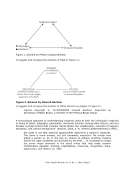
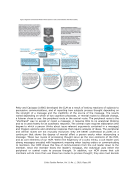
The broken-line boxes in Figure 2 show the degrees of mental effort the cult member exerts
in response to the cult leader‘s message. If the cult member as a creator has not assigned
total sovereignty to the leader, the creator will use the central route of thinking to respond
to the leader‘s labeling. If the creator relates to what the leader says but opposes some part
of it, then the creator will apply a negotiable decoding. This slight opposition protects the
creator‘s creative self (I), which is struggling to be expressed (indicated in the associated
balloons as outcomes of his thinking.). However, the creator keeps this creative urge hidden
as a default to the sCS, while appearing to comply with and obey the leader and accept his
labeling, so as to not lose position in the group. The creator will be able to apply free
decoding if he has managed to sustain freedom of thought and critical-thinking skills in the
cult environment, and is able to see through the leader‘s bias and what risk it poses to the
self. Using free decoding, the creator may reject the leader‘s labeling, organize efforts to
raise awareness of others about group hegemony, and may even risk loss of group
membership in order to birth and preserve the emergence of an sCS.
The Role of Sovereignty in Cults as Total Institutions
We posit that cults form power hierarchies that model the domination/subordination
dynamic central to total institutions. Through hierarchies, the leaders establish conditions
that are incompatible with cult members‘ ability to be sovereign over their creative selves.
The group‘s conditions require that the cult members relinquish personal sovereignty to the
leader. We can further understand personal relinquishment of self-sovereignty through
or interpret the message, which then results in some type of response through an outcome
or action.
Hall‘s (1997) theory of hegemonic decoding options the powerless use in resisting dominant
ideology supports our idea that a cult member will process thought through the peripheral
route with hegemonic decoding, or through the central route and decode the message
through one of two methods: negotiable decoding or free decoding. Therefore, our HCM
expands on the ELM by adding the negotiable decoding and free decoding options to the
central route of processing thought. For example, we illustrate in our case studies that a
cult member will, at times, accept a leader‘s labeling without question (i.e., uses the
peripheral route with hegemonic decoding) for example, a cult leader labels a member
noncreative, which the member may, at first, accept without question. This example
illustrates the member exerting no mental effort to disagree with or reject the label. The
member operates inside the dominant code her thought conforms to the group‘s ideologies
and coincides with the leader‘s preferred response. This response indicates that the I is
obscured by or subservient to me. Later, however, when the cult member shares a creative
expression with someone else who calls the member creative, this response encourages the
member‘s belief that she is creative, which may fortify the creative self and validate the I,
which had been obscured. It is also here that the sCS may birth, providing the creative self
with a means to survive, but remain hidden because of the suppressive ―generalized other‖
in the cult. The next time the cult leader names the member‘s creation as uncreative or the
member noncreative, the member no longer unquestionably accepts this, and switches to
the central route of processing. This occurs because the self has experienced some
restoration, so the individual is able to oppose the leader to some degree, but hides the
thought. Here the member uses the ―negotiable‖ option of decoding in the central route. As
the member accumulates more judgments or labeling from the cult leader, the member
builds up disagreements these disagreements are signs of critical-thinking skills and
thought that is becoming freer. This outcome also shows that the member is reclaiming
some self-sovereignty from the leader, which reduces the amount of consent the leader
usually gets, and weakens the hegemony of the group. Eventually, the member may decide
to leave the group to fully express her creative abilities. Here she uses the ―free thought‖
option of decoding under the central route.
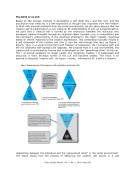
The broken-line boxes in Figure 2 show the degrees of mental effort the cult member exerts
in response to the cult leader‘s message. If the cult member as a creator has not assigned
total sovereignty to the leader, the creator will use the central route of thinking to respond
to the leader‘s labeling. If the creator relates to what the leader says but opposes some part
of it, then the creator will apply a negotiable decoding. This slight opposition protects the
creator‘s creative self (I), which is struggling to be expressed (indicated in the associated
balloons as outcomes of his thinking.). However, the creator keeps this creative urge hidden
as a default to the sCS, while appearing to comply with and obey the leader and accept his
labeling, so as to not lose position in the group. The creator will be able to apply free
decoding if he has managed to sustain freedom of thought and critical-thinking skills in the
cult environment, and is able to see through the leader‘s bias and what risk it poses to the
self. Using free decoding, the creator may reject the leader‘s labeling, organize efforts to
raise awareness of others about group hegemony, and may even risk loss of group
membership in order to birth and preserve the emergence of an sCS.
The Role of Sovereignty in Cults as Total Institutions
We posit that cults form power hierarchies that model the domination/subordination
dynamic central to total institutions. Through hierarchies, the leaders establish conditions
that are incompatible with cult members‘ ability to be sovereign over their creative selves.
The group‘s conditions require that the cult members relinquish personal sovereignty to the
leader. We can further understand personal relinquishment of self-sovereignty through