Cultic Studies Review, Vol. 9, No. 1, 2010, Page 145
Book Reviews
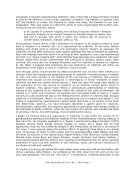
American Guru: A Story of Love, Betrayal and Healing
By William Yenner, Rhinebeck, NY: Epigraph Publishing Services (a division of
Monkfish Book Publishing Company, LLC). 2009. ISBN-10: 0982453051 ISBN-13:
978-0982453056 (paperback), $15.25 (Amazon.com). 170 pages.
If you are curious about life inside a cult, or life inside Andrew Cohen‘s cult, you will learn a
lot from this book. William Yenner is to be applauded for the thoroughness with which he
makes his points, the clarity of his writing, and the many voices he has included. For many,
it will be illuminating to be taken behind the scenes of this organization and to have its
leader unmasked. Yenner has done a great service to all of us by not remaining silent.
Mr. Yenner is a level-headed ex-devotee, seeking to display the facts as clearly and
objectively as possible. Throughout this book he weaves together his own experiences of 13
years as a high-ranking member of Cohen‘s community with detailed personal-experience
reports from other disaffected members, adding some official announcements and teachings
from Cohen and the organization for good measure.
Yenner studiously avoids taking cheap shots, and he gives readers plenty of room to draw
their own conclusions. Yet anyone familiar with the abuses of power so prevalent amongst
contemporary spiritual leaders can read this book only one way. Despite some horrendous
tales told in this book that might shock some, Andrew Cohen is a garden-variety deluded
leader who abuses his followers in the name of spiritual enlightenment. We‘ve seen it many
times in many fields—political, spiritual, corporate, domestic: Wherever groups of people
form, cult-like behavior can creep in.
Yet it is crucial to keep examining this phenomenon because no one has really figured it out.
Why do smart, creative people fall prey to seductive, authoritarian figures? Yenner seeks to
answer this question, but he falls short.
It‘s a question I‘ve looked at often because I have to answer it. I was one of those people. I
know what it‘s like to be inside one of these communities, to be certain that the degrading
things my leader is saying about me are true, to believe that the psychological pain my
leader is putting me through is evidence of love, and that I will reach an end to this hard
road, and it will be more than worth it. I know first-hand the life Yenner describes.
Perhaps one of the reasons I am a writer dedicated to memoir is because I must find out
why I have given myself over to others in this way more than once. My own writing and
personal exploration have uncovered two hot-spots in a devotee‘s life that have to be
uncompromisingly examined: the state of one‘s life when one decides to enter a cult
(although of course that word is not the one the newly fledged devotee uses), and the
answers to this question always lead straight back to an even richer area of information: the
dynamics of a person‘s childhood. Any real close-up examination of childhood—no matter
how trouble-free that childhood appears at first glance—will yield the mother lode of
information about why a person enters a cult.
Although Yenner briefly describes his own life at the time that he met Cohen, no one in the
book addresses his or her childhood and original family dynamics. But for those of us hell-
bent on understanding why we did something as self-destructive as give ourselves over to a
cult, and why we stayed so long, simply looking at our situation at the time of contact with
the group is not enough. What led us to that point? That is the crucial question. The chain of
answers leads back link by link into our deep past. I don‘t think any of us will be free of
Book Reviews
American Guru: A Story of Love, Betrayal and Healing
By William Yenner, Rhinebeck, NY: Epigraph Publishing Services (a division of
Monkfish Book Publishing Company, LLC). 2009. ISBN-10: 0982453051 ISBN-13:
978-0982453056 (paperback), $15.25 (Amazon.com). 170 pages.
If you are curious about life inside a cult, or life inside Andrew Cohen‘s cult, you will learn a
lot from this book. William Yenner is to be applauded for the thoroughness with which he
makes his points, the clarity of his writing, and the many voices he has included. For many,
it will be illuminating to be taken behind the scenes of this organization and to have its
leader unmasked. Yenner has done a great service to all of us by not remaining silent.
Mr. Yenner is a level-headed ex-devotee, seeking to display the facts as clearly and
objectively as possible. Throughout this book he weaves together his own experiences of 13
years as a high-ranking member of Cohen‘s community with detailed personal-experience
reports from other disaffected members, adding some official announcements and teachings
from Cohen and the organization for good measure.
Yenner studiously avoids taking cheap shots, and he gives readers plenty of room to draw
their own conclusions. Yet anyone familiar with the abuses of power so prevalent amongst
contemporary spiritual leaders can read this book only one way. Despite some horrendous
tales told in this book that might shock some, Andrew Cohen is a garden-variety deluded
leader who abuses his followers in the name of spiritual enlightenment. We‘ve seen it many
times in many fields—political, spiritual, corporate, domestic: Wherever groups of people
form, cult-like behavior can creep in.
Yet it is crucial to keep examining this phenomenon because no one has really figured it out.
Why do smart, creative people fall prey to seductive, authoritarian figures? Yenner seeks to
answer this question, but he falls short.
It‘s a question I‘ve looked at often because I have to answer it. I was one of those people. I
know what it‘s like to be inside one of these communities, to be certain that the degrading
things my leader is saying about me are true, to believe that the psychological pain my
leader is putting me through is evidence of love, and that I will reach an end to this hard
road, and it will be more than worth it. I know first-hand the life Yenner describes.
Perhaps one of the reasons I am a writer dedicated to memoir is because I must find out
why I have given myself over to others in this way more than once. My own writing and
personal exploration have uncovered two hot-spots in a devotee‘s life that have to be
uncompromisingly examined: the state of one‘s life when one decides to enter a cult
(although of course that word is not the one the newly fledged devotee uses), and the
answers to this question always lead straight back to an even richer area of information: the
dynamics of a person‘s childhood. Any real close-up examination of childhood—no matter
how trouble-free that childhood appears at first glance—will yield the mother lode of
information about why a person enters a cult.
Although Yenner briefly describes his own life at the time that he met Cohen, no one in the
book addresses his or her childhood and original family dynamics. But for those of us hell-
bent on understanding why we did something as self-destructive as give ourselves over to a
cult, and why we stayed so long, simply looking at our situation at the time of contact with
the group is not enough. What led us to that point? That is the crucial question. The chain of
answers leads back link by link into our deep past. I don‘t think any of us will be free of