Cultic Studies Review, Vol. 9, No. 1, 2010, Page 7
commodities? In my view, the idea that what characterizes a cult is not the content of the
beliefs but the practice of how people are treated parallels the notion that what makes
something creative is not the product but the process. In this issue, Jenkinson‘s distinction
between cult-induced pseudo-creativity and true creativity perhaps dovetails with these
suggestions of commodity versus creation, product versus process.
I am interested in exploring how the new recruit is baited with the concept of finding
personal freedom in the cult, and then often brutally subjected to a switch that defies the
humanistic values first professed. Associating creativity with freedom on various levels, I
find that the fundamental psychological impact of cults on members is dehumanization
through suppression of the freedom to subjectively symbolize experience. I see cult
recovery as rehumanization through the emergence or reemergence of subjectively created
symbolic expression. This issue is a monument to those who have been subjected to
suppression of creativity and imagination in cults, and especially to those who still struggle
with the insidious after-effects. It is also a celebration of the resilience of the creative spirit!
Since research focuses primarily on the artist, this introduction often addresses artistic
creativity, although the results for the most part also apply to everyday creativity— where
―the process is the product‖ (Sawyer, 2006, p. 296). I have organized the introduction
according to key questions and concepts I developed in my exploration of cults and
creativity as separate yet interrelated phenomena. These questions and concepts include
the following:
1. What is meant by creativity?
2. What is the new science of creativity?
3. Why is the study of creativity significant?
4. Cult Recovery Model: Humanism, Dehumanization and Rehumanization.
5. ―Joy Stopping‖ as an extension of ―Thought and Feeling Stopping‖
6. ―Gap‖ and Combinatory Processes as integral to symbol formation.
7. Denial of loss, filling of gap, and vulnerability to impairment of symbol formation.
8. Multidisciplinary emphasis on emotion and cognition as intrinsic to creativity.
1. What Is Meant by Creativity?
I explore the concepts of cult and creativity in this introduction as two separate yet
interrelated areas of study. This special issue of CSR helps introduce the field of cultic
studies to the new science of creativity—a discipline that arose in the 1980s. Researchers in
this new discipline have started asking the questions ―How are you creative?‖ rather than
―Are you creative?‖ and ―Where is creativity?‖ rather than ―What is creativity?‖ Is
motivation for creativity intrinsic or situational (Gardner, 1993, p. 37)? I suggest that an
understanding of the vicissitudes of creativity within the extreme setting of the totalist
environment of cults can greatly inform the science of creativity as it explores the
individualist versus contextualist perspectives of creativity. This approach reflects a
sociocultural view of creativity that considers equally the individual, the domain (particular
areas of mastery with specific symbolic systems such as painting that include a history of
innovators, of techniques, and of values), and the field (the judges within society‘s
institutions, such as museums, art institutes, and so on) that determines whether a domain
will allow change within it. Why, for instance, was Cubism allowed to shift the domain of
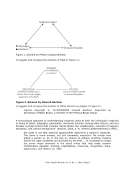
painting and the course of the history of art thereafter? Howard Gardner (1993, p. 9),
creativity researcher and psychologist, extends Mihaly Csikszentmihalyi‘s (1993, p. 38)
schema to illustrate the sociocultural understanding of the components of creativity—i.e.,
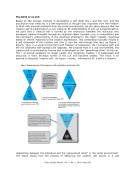
the individual, the domain, and the field (figures 1 and 2).
commodities? In my view, the idea that what characterizes a cult is not the content of the
beliefs but the practice of how people are treated parallels the notion that what makes
something creative is not the product but the process. In this issue, Jenkinson‘s distinction
between cult-induced pseudo-creativity and true creativity perhaps dovetails with these
suggestions of commodity versus creation, product versus process.
I am interested in exploring how the new recruit is baited with the concept of finding
personal freedom in the cult, and then often brutally subjected to a switch that defies the
humanistic values first professed. Associating creativity with freedom on various levels, I
find that the fundamental psychological impact of cults on members is dehumanization
through suppression of the freedom to subjectively symbolize experience. I see cult
recovery as rehumanization through the emergence or reemergence of subjectively created
symbolic expression. This issue is a monument to those who have been subjected to
suppression of creativity and imagination in cults, and especially to those who still struggle
with the insidious after-effects. It is also a celebration of the resilience of the creative spirit!
Since research focuses primarily on the artist, this introduction often addresses artistic
creativity, although the results for the most part also apply to everyday creativity— where
―the process is the product‖ (Sawyer, 2006, p. 296). I have organized the introduction
according to key questions and concepts I developed in my exploration of cults and
creativity as separate yet interrelated phenomena. These questions and concepts include
the following:
1. What is meant by creativity?
2. What is the new science of creativity?
3. Why is the study of creativity significant?
4. Cult Recovery Model: Humanism, Dehumanization and Rehumanization.
5. ―Joy Stopping‖ as an extension of ―Thought and Feeling Stopping‖
6. ―Gap‖ and Combinatory Processes as integral to symbol formation.
7. Denial of loss, filling of gap, and vulnerability to impairment of symbol formation.
8. Multidisciplinary emphasis on emotion and cognition as intrinsic to creativity.
1. What Is Meant by Creativity?
I explore the concepts of cult and creativity in this introduction as two separate yet
interrelated areas of study. This special issue of CSR helps introduce the field of cultic
studies to the new science of creativity—a discipline that arose in the 1980s. Researchers in
this new discipline have started asking the questions ―How are you creative?‖ rather than
―Are you creative?‖ and ―Where is creativity?‖ rather than ―What is creativity?‖ Is
motivation for creativity intrinsic or situational (Gardner, 1993, p. 37)? I suggest that an
understanding of the vicissitudes of creativity within the extreme setting of the totalist
environment of cults can greatly inform the science of creativity as it explores the
individualist versus contextualist perspectives of creativity. This approach reflects a
sociocultural view of creativity that considers equally the individual, the domain (particular
areas of mastery with specific symbolic systems such as painting that include a history of
innovators, of techniques, and of values), and the field (the judges within society‘s
institutions, such as museums, art institutes, and so on) that determines whether a domain
will allow change within it. Why, for instance, was Cubism allowed to shift the domain of
painting and the course of the history of art thereafter? Howard Gardner (1993, p. 9),
creativity researcher and psychologist, extends Mihaly Csikszentmihalyi‘s (1993, p. 38)
schema to illustrate the sociocultural understanding of the components of creativity—i.e.,
the individual, the domain, and the field (figures 1 and 2).