Cultic Studies Review, Vol. 9, No. 1, 2010, Page 87
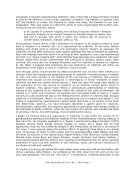
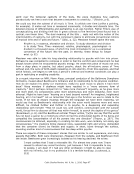
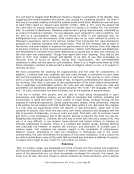
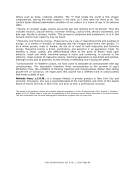
Winnicott notes that playing is always a creative experience and that psychotherapy needs
to bring the patient to a place where he/she can play (2005, p. 51). He states, ―It is in
playing and only in playing that the individual child or adult is able to be creative and to use
the whole personality, and it is only in being creative that the individual discovers the self‖
(ibid., p. 73).
One example of working creatively and playfully from a Gestalt methodology is acting out
dreams in order to raise awareness of current issues. For example, Denise, an ex-member
of the Community, had a dream that she was in a house, crouching down as other
Community members were relentlessly searching for her with dogs, bright torches, and
shouting. She was shaking and terrified. Her therapist suggested a ―safe experiment‖
(Mackewn, 2000) in which she would imagine, act out, and speak from each character in the
dream. Yontef (1997, pp. 80, 81) notes that dreams are not interpreted in Gestalt but are
used to integrate. Each part of the dream is considered to be a projection of an alienated
part of the individual, including the introjected cult part.
Her therapist observed Denise‘s intense fear and trembling, and, sensitive to the potential
trauma, wanted to avoid overwhelming her (Ogden, Minton, and Pain, 2006). She
suggested Denise bring her (the therapist) in as support by imagining her being with her as
they went through this process. She also suggested Denise choose the order in which she
would work on each part, so that she would feel more in control.
Denise chose to crouch behind the chair and then verbalised her terror and fear. As she did
this, her therapist conveyed her support by holding her hand as they had agreed
beforehand. Her therapist spoke reassuringly, helping her to stay with this terrified part and
to focus on her body as the shaking subsided. Denise reported that she did not feel alone or
frightened anymore, and that it had helped her to have her therapist with her as she faced
her original aloneness and fear.
Denise quickly and naturally moved from her hiding place behind the chair to the safety of
the house. She noted that now that she had a boundary, the others could not get in and she
would protect herself by keeping the lights off, the doors and windows locked, and by being
quiet so they would not know she was there. This action felt empowering and new to her.
Her therapist echoed and supported her statements in order to reinforce her new thinking.
Finally, Denise took the part of the cult members who were searching for her. This helped
her recognise how she had introjected the persecutory thought reform of the group, and
how she no longer had to do their dirty work for them because she had left the group and
she was safe now. She returned to seeing herself in the house, with her therapist, and this
time was able to stand up, open the window, and shout at the cult members. She told them
in no uncertain terms to go away, saying that they would never ever have any control over
her again. Her therapist asked if she could also speak to the cult members—this excited
Denise and she agreed. Her therapist affirmed that she was there with Denise, who was not
alone anymore. She made clear that they were no longer part of her life and should stop
persecuting her. Experiencing her therapist ―on her side‖ evoked a sense of being
understood and allowed a release of soothing tears.
This playful and creative ―safe emergency‖ (Yontef, 1993, p. 183), which balanced challenge
and support, raised Denise‘s awareness of the residual cult pseudo-personality that
exhibited itself in the control and fear left within her. It also supported her to take another
step in breaking free and reconnecting with her pre-cult personality, whilst relying on the
close relational support of her therapist.
It is natural to fear being seen as foolish when one is taking a creative risk, but Denise took
that risk and exposed something she was afraid to expose. Because the process took place
Winnicott notes that playing is always a creative experience and that psychotherapy needs
to bring the patient to a place where he/she can play (2005, p. 51). He states, ―It is in
playing and only in playing that the individual child or adult is able to be creative and to use
the whole personality, and it is only in being creative that the individual discovers the self‖
(ibid., p. 73).
One example of working creatively and playfully from a Gestalt methodology is acting out
dreams in order to raise awareness of current issues. For example, Denise, an ex-member
of the Community, had a dream that she was in a house, crouching down as other
Community members were relentlessly searching for her with dogs, bright torches, and
shouting. She was shaking and terrified. Her therapist suggested a ―safe experiment‖
(Mackewn, 2000) in which she would imagine, act out, and speak from each character in the
dream. Yontef (1997, pp. 80, 81) notes that dreams are not interpreted in Gestalt but are
used to integrate. Each part of the dream is considered to be a projection of an alienated
part of the individual, including the introjected cult part.
Her therapist observed Denise‘s intense fear and trembling, and, sensitive to the potential
trauma, wanted to avoid overwhelming her (Ogden, Minton, and Pain, 2006). She
suggested Denise bring her (the therapist) in as support by imagining her being with her as
they went through this process. She also suggested Denise choose the order in which she
would work on each part, so that she would feel more in control.
Denise chose to crouch behind the chair and then verbalised her terror and fear. As she did
this, her therapist conveyed her support by holding her hand as they had agreed
beforehand. Her therapist spoke reassuringly, helping her to stay with this terrified part and
to focus on her body as the shaking subsided. Denise reported that she did not feel alone or
frightened anymore, and that it had helped her to have her therapist with her as she faced
her original aloneness and fear.
Denise quickly and naturally moved from her hiding place behind the chair to the safety of
the house. She noted that now that she had a boundary, the others could not get in and she
would protect herself by keeping the lights off, the doors and windows locked, and by being
quiet so they would not know she was there. This action felt empowering and new to her.
Her therapist echoed and supported her statements in order to reinforce her new thinking.
Finally, Denise took the part of the cult members who were searching for her. This helped
her recognise how she had introjected the persecutory thought reform of the group, and
how she no longer had to do their dirty work for them because she had left the group and
she was safe now. She returned to seeing herself in the house, with her therapist, and this
time was able to stand up, open the window, and shout at the cult members. She told them
in no uncertain terms to go away, saying that they would never ever have any control over
her again. Her therapist asked if she could also speak to the cult members—this excited
Denise and she agreed. Her therapist affirmed that she was there with Denise, who was not
alone anymore. She made clear that they were no longer part of her life and should stop
persecuting her. Experiencing her therapist ―on her side‖ evoked a sense of being
understood and allowed a release of soothing tears.
This playful and creative ―safe emergency‖ (Yontef, 1993, p. 183), which balanced challenge
and support, raised Denise‘s awareness of the residual cult pseudo-personality that
exhibited itself in the control and fear left within her. It also supported her to take another
step in breaking free and reconnecting with her pre-cult personality, whilst relying on the
close relational support of her therapist.
It is natural to fear being seen as foolish when one is taking a creative risk, but Denise took
that risk and exposed something she was afraid to expose. Because the process took place