Cultic Studies Review, Vol. 9, No. 1, 2010, Page 102
Drawing from our own experiences, we explore the birth of an sCS in two distinct cult
environments and the emergence and eventual expressions of an SCS when it is no longer
suppressed in the cult environment. We also propose a model of the process by which cult
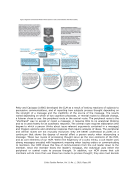
members protect their sCSs. Our hegemonic communication model (HCM) of power
dynamics in total institutions that affect creativity shows that:
Leaders encode meanings (such as label a member noncreative) to perpetuate the
hegemony of the cult power elite
Cult members decode (exert mental effort to interpret the ―noncreative‖ label)
meanings from leaders
Members process thought by choosing a route of response (use peripheral route for
accepting leader‘s label, or use central route for ―negotiating‖ by staying in group
while hiding objections, or for rebelling) and
Members suppress or enable their sCSs, depending on how they manage sovereignty
in their lives (applying the central route with free thought and rejecting leader‘s label
through rebellion).
Background
Our synthesis of the sociological theories on symbolic interactionism and the development of
self (Blumer, 1969 Cooley, 1902 James, 1950 Mead, 1934) with communication and
cultural theories (Gramsci, 1935, 1971 Hall, 1997 Petty &Cacciopo, 1986) supports our
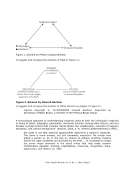
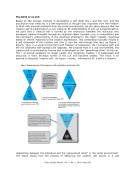
development of the secret creative self (see Figure 1) and the Hegemonic Communication
Model (HCM) that illustrates how the power dynamics in total institutions (Goffman, 1961)
affect creativity (as shown in Figure 2). We explore these theoretical concepts and terms
are explored in more detail here in the background literature.
Symbolic Interactionism Theory and the Development of Self
Cooley (1902), who was interested in the processes involved in developing a sense of self,
proposed a reflexive action he called ―the looking-glass self.‖ The process starts with how I
imagine my appearance (self) in the eyes of others, followed by my perception of how
others evaluate me in a situation, and ends in my reaction to this perception. The collection
of perceptions the individual gathers from others and the individual‘s reaction to these
perceptions form a sense of self. William James (1950) was the first to conceptually
separate the self and examine its two components. James saw the I as the knower, the
subject, and the process, and the me as the known, the object, and the result of completed
action. The I is sometimes referred to as the creative self and the me is the self-concept
formed by how one sees oneself through the eyes of others (Blumer, 1969). We propose
that it is at this critical point, when the individual reacts to his or her perception of others‘
evaluations, that the birth of an sCS within a suppressive environment may occur. Although
this also may occur in other situations, here we are referring only to social situations in
which those in power suppress the creativity of others, such as in cults. We base this
suggestion on Cooley‘s proposition that we are not born with a sense of self, but only with a
sense for self-aggrandizement, which he describes as ―…persistent but plastic it will never
disappear from a vigorous mind, but may become morally higher by attaching itself to a
larger conception of what constitutes the self‖ (p. 256).
Building on Cooley‘s foundation of a basic instinct for self-aggrandizement, Mead (1934)
described how the social environment shapes the self. Mead proposed a process of self-
reflection, in which individuals take the role of the other and imagine how they look to
another person. Individuals understand their world as interpreted by their culture, which
Mead called the ―generalized other.‖ The shared meanings of culture (the ―generalized
other‖) shape an individual‘s sense of self. Just as the ―generalized other‖ expands as one
Drawing from our own experiences, we explore the birth of an sCS in two distinct cult
environments and the emergence and eventual expressions of an SCS when it is no longer
suppressed in the cult environment. We also propose a model of the process by which cult
members protect their sCSs. Our hegemonic communication model (HCM) of power
dynamics in total institutions that affect creativity shows that:
Leaders encode meanings (such as label a member noncreative) to perpetuate the
hegemony of the cult power elite
Cult members decode (exert mental effort to interpret the ―noncreative‖ label)
meanings from leaders
Members process thought by choosing a route of response (use peripheral route for
accepting leader‘s label, or use central route for ―negotiating‖ by staying in group
while hiding objections, or for rebelling) and
Members suppress or enable their sCSs, depending on how they manage sovereignty
in their lives (applying the central route with free thought and rejecting leader‘s label
through rebellion).
Background
Our synthesis of the sociological theories on symbolic interactionism and the development of
self (Blumer, 1969 Cooley, 1902 James, 1950 Mead, 1934) with communication and
cultural theories (Gramsci, 1935, 1971 Hall, 1997 Petty &Cacciopo, 1986) supports our
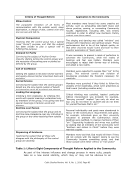
development of the secret creative self (see Figure 1) and the Hegemonic Communication
Model (HCM) that illustrates how the power dynamics in total institutions (Goffman, 1961)
affect creativity (as shown in Figure 2). We explore these theoretical concepts and terms
are explored in more detail here in the background literature.
Symbolic Interactionism Theory and the Development of Self
Cooley (1902), who was interested in the processes involved in developing a sense of self,
proposed a reflexive action he called ―the looking-glass self.‖ The process starts with how I
imagine my appearance (self) in the eyes of others, followed by my perception of how
others evaluate me in a situation, and ends in my reaction to this perception. The collection
of perceptions the individual gathers from others and the individual‘s reaction to these
perceptions form a sense of self. William James (1950) was the first to conceptually
separate the self and examine its two components. James saw the I as the knower, the
subject, and the process, and the me as the known, the object, and the result of completed
action. The I is sometimes referred to as the creative self and the me is the self-concept
formed by how one sees oneself through the eyes of others (Blumer, 1969). We propose
that it is at this critical point, when the individual reacts to his or her perception of others‘
evaluations, that the birth of an sCS within a suppressive environment may occur. Although
this also may occur in other situations, here we are referring only to social situations in
which those in power suppress the creativity of others, such as in cults. We base this
suggestion on Cooley‘s proposition that we are not born with a sense of self, but only with a
sense for self-aggrandizement, which he describes as ―…persistent but plastic it will never
disappear from a vigorous mind, but may become morally higher by attaching itself to a
larger conception of what constitutes the self‖ (p. 256).
Building on Cooley‘s foundation of a basic instinct for self-aggrandizement, Mead (1934)
described how the social environment shapes the self. Mead proposed a process of self-
reflection, in which individuals take the role of the other and imagine how they look to
another person. Individuals understand their world as interpreted by their culture, which
Mead called the ―generalized other.‖ The shared meanings of culture (the ―generalized
other‖) shape an individual‘s sense of self. Just as the ―generalized other‖ expands as one