Cultic Studies Review, Vol. 9, No. 1, 2010, Page 35
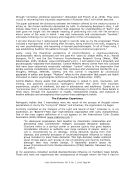
A Brief Review of Folie à Deux
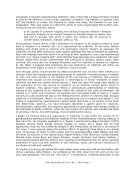
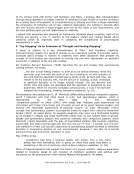
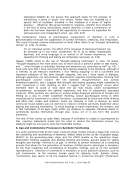
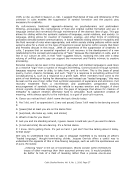
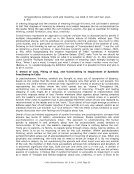
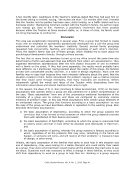
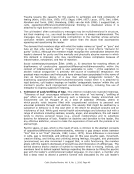
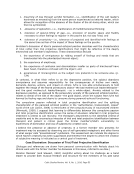
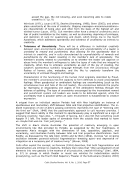
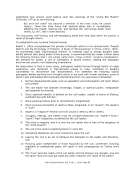
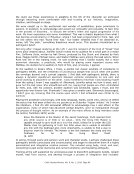
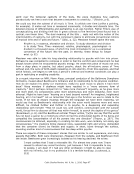
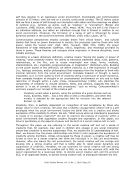
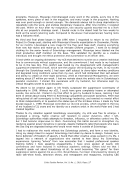
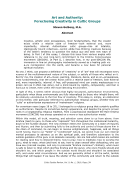
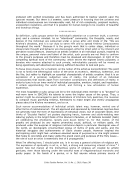
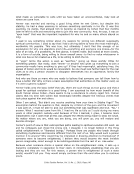
Because comparison of cults with folie is fundamental to this paper, I will present a brief
summary of the history and usage of the concept. Folie à deux and related ideas have been
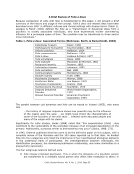
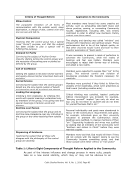
described since 1857 in different cultures and clinical settings with diverse terms (Table 1).
Lasègue &Falret (1964) defined the folie as a ―transmission of delusional ideas from a
psychotic to closely associated individuals, who have experienced his/her domineering
influence for a prolonged space of time. The condition may be transferred to three and/or
more individuals.‖
Table 1. Folie à deux: Associated Terms (Wehmeier, Barth, &Remschmidt, 2003)
Infektïoses Irresein Ideler, 1938
Pathologische Sympathie Feuchtersleben, 1845
Infectio psychica Hofbauer, 1854
Folie communiquée Baillarger, 1854
Folie à deux Lasègue &Falret, 1877
Folie simultanée Regis, 1980
Folie imposée Marandon de Montyel, 1881
Reciprocal insanity Parsons, 1883
Induziertes Irresein Lehmann, 1883
Folie gemellaire Ball, 1884
Communicated insanity Montgomery, 1884
Double insanity Tuke, 1886
Psychische Contagion Werner, 1888
Konformer Wahn von Baeyer, 1932
Psychosis of association Gralnik, 1942
Symbiontische Psychose Scarfetter, 1970
Induced Delusional
Disorder
World Health Organization,
1992
Shared Paranoid Disorder American Psychiatric
Association, 1994
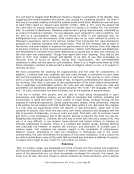
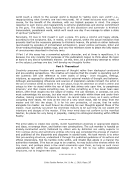
The parallel between cult dynamics and folie can be traced to Ireland (1855), who notes
that
...the history of religious imposture shows how powerful may be the influence
of the insane upon the sane … we might trace [how] the characteristics of
some of the founders of the wild sects … infected some educated people and
many of the vulgar with his claims.
Significantly for cultic studies, Sacks (1988) noted that ―this sequestration [folie] …may
contribute to the vulnerability of the secondary because of an increased dependency on the
primary. Additionally, a process similar to brainwashing may occur‖ (Sacks, 1988: 273).
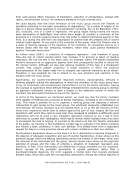
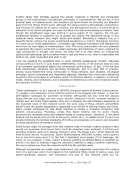
In 1942, Gralnick published what has come to be the definitive paper on this subject, with a
complete review of the literature and the 103 cases reported up to that date. He divided
folie into four categories and noted the importance of four hypothesized etiological elements
in the underlying traits of participants: the interdependence between individuals, the
identification processes, the dominance/submissive relationship, and some similarities to a
prepsychotic personality.
The four subgroups Gralnick defined were
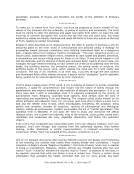
1) folie impose (imposed psychosis). This is when the delusions of a psychotic person
are transferred to a mentally sound person who offers little resistance to them in
A Brief Review of Folie à Deux
Because comparison of cults with folie is fundamental to this paper, I will present a brief
summary of the history and usage of the concept. Folie à deux and related ideas have been
described since 1857 in different cultures and clinical settings with diverse terms (Table 1).
Lasègue &Falret (1964) defined the folie as a ―transmission of delusional ideas from a
psychotic to closely associated individuals, who have experienced his/her domineering
influence for a prolonged space of time. The condition may be transferred to three and/or
more individuals.‖
Table 1. Folie à deux: Associated Terms (Wehmeier, Barth, &Remschmidt, 2003)
Infektïoses Irresein Ideler, 1938
Pathologische Sympathie Feuchtersleben, 1845
Infectio psychica Hofbauer, 1854
Folie communiquée Baillarger, 1854
Folie à deux Lasègue &Falret, 1877
Folie simultanée Regis, 1980
Folie imposée Marandon de Montyel, 1881
Reciprocal insanity Parsons, 1883
Induziertes Irresein Lehmann, 1883
Folie gemellaire Ball, 1884
Communicated insanity Montgomery, 1884
Double insanity Tuke, 1886
Psychische Contagion Werner, 1888
Konformer Wahn von Baeyer, 1932
Psychosis of association Gralnik, 1942
Symbiontische Psychose Scarfetter, 1970
Induced Delusional
Disorder
World Health Organization,
1992
Shared Paranoid Disorder American Psychiatric
Association, 1994
The parallel between cult dynamics and folie can be traced to Ireland (1855), who notes
that
...the history of religious imposture shows how powerful may be the influence
of the insane upon the sane … we might trace [how] the characteristics of
some of the founders of the wild sects … infected some educated people and
many of the vulgar with his claims.
Significantly for cultic studies, Sacks (1988) noted that ―this sequestration [folie] …may
contribute to the vulnerability of the secondary because of an increased dependency on the
primary. Additionally, a process similar to brainwashing may occur‖ (Sacks, 1988: 273).
In 1942, Gralnick published what has come to be the definitive paper on this subject, with a
complete review of the literature and the 103 cases reported up to that date. He divided
folie into four categories and noted the importance of four hypothesized etiological elements
in the underlying traits of participants: the interdependence between individuals, the
identification processes, the dominance/submissive relationship, and some similarities to a
prepsychotic personality.
The four subgroups Gralnick defined were
1) folie impose (imposed psychosis). This is when the delusions of a psychotic person
are transferred to a mentally sound person who offers little resistance to them in