Cultic Studies Review, Vol. 9, No. 1, 2010, Page 20
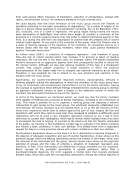
subtlest associations of analogy. In a word, we seem suddenly
introduced into a seething cauldron of ideas, where everything is
fizzling and bobbing about in a state of bewildering activity.
This drama tends to flatten in cults, although perhaps at times there is a vacillation
between the exuberance of the creative moment and opposing forces that attempt to
stop it. Rayner, from a psychodynamic point of view states, ―[thinking] is a complex
dynamic system‖ that involves ―dynamic combinatorial activity‖ (1995, p. 13). Deri
(1984) states, ―This rearrangement of old elements into new gestalts is the essence
of all productive, creative thinking‖ (p. 36).
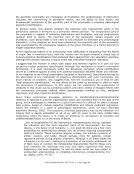
Sawyer (2006) continues, ―creativity results when the individual somehow combines
these existing elements and generates some new combination‖ (p. 59). In the
incubation stage in Wallas‘ model, the generating ideas stage in the NRCG/T model,
and perhaps the operations stage in the Characteristics, Operations, Context, and
Outcomes (COCO) model, there is consistent emphasis on the need for fluidity, for
the presence of uncertainty and chance that is within a coordinated flow. These
factors, as I have said, are necessary for spontaneous passion, play, creativity, flow.
In the cult, generating a new combination might be possible only within the
inconsistent and unpredictable limitations set by the leader. Amy Siskind describes
the panicked reaction of the Sullivanians to Three Mile Island, with predictions of
nuclear devastation and germ warfare triggering a deepening of their paranoia
(Shaw, 2006). It is easy to imagine that, within this context, the degree of attention
necessary for flow is lacking as survival needs preclude a rich incubation period that
allows for creative transformation and unconscious combinatory processes leading to
innovation.
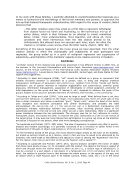
The remaining stages of Wallas‘ (1926) model of creativity are
3. Illumination/Insight—―[T]he ‗Aha!‘ moment when the puzzle starts to fall together‖
(Csikszentmihalyi, 1996, p. 80). Sawyer (2006) adds, ―A creative insight is never
100% original. What makes an insight novel is the way that these existing ideas are
put together‖ (p. 67).
4. Verification/Evaluation—―deciding whether the insight is valuable and worth
pursuing‖ (1996, p. 80). Sawyer adds, ―the creator usually experiences a continued
cycle of mini-insights and revisions while elaborating the insight into a finished
product‖ (p. 70).
Another model that draws on Wallas is created by NRCG/T (Treffinger, et al., 2002). It is
significant that the fourth stage of this model includes emotions as part of its stage theory.
1. Generating ideas—combining
2. Digging deeper
3. Openness and courage to explore ideas
4. Listening to one‘s inner voice
The ―generating ideas‖ stage of the NRCG/T model and Wallas‘ incubating are very
significant because this is where we can find impairment in creativity in cults. This stage
includes cognitive characteristics commonly referred to as divergent thinking ―...involv[ing]
the development of a large number of possibilities, many arrived at as the result of shifts in
one‘s perception and thinking, and adding details and expanding ideas as the process
continues‖ (Treffinger et al., 2002, p. 45).
subtlest associations of analogy. In a word, we seem suddenly
introduced into a seething cauldron of ideas, where everything is
fizzling and bobbing about in a state of bewildering activity.
This drama tends to flatten in cults, although perhaps at times there is a vacillation
between the exuberance of the creative moment and opposing forces that attempt to
stop it. Rayner, from a psychodynamic point of view states, ―[thinking] is a complex
dynamic system‖ that involves ―dynamic combinatorial activity‖ (1995, p. 13). Deri
(1984) states, ―This rearrangement of old elements into new gestalts is the essence
of all productive, creative thinking‖ (p. 36).
Sawyer (2006) continues, ―creativity results when the individual somehow combines
these existing elements and generates some new combination‖ (p. 59). In the
incubation stage in Wallas‘ model, the generating ideas stage in the NRCG/T model,
and perhaps the operations stage in the Characteristics, Operations, Context, and
Outcomes (COCO) model, there is consistent emphasis on the need for fluidity, for
the presence of uncertainty and chance that is within a coordinated flow. These
factors, as I have said, are necessary for spontaneous passion, play, creativity, flow.
In the cult, generating a new combination might be possible only within the
inconsistent and unpredictable limitations set by the leader. Amy Siskind describes
the panicked reaction of the Sullivanians to Three Mile Island, with predictions of
nuclear devastation and germ warfare triggering a deepening of their paranoia
(Shaw, 2006). It is easy to imagine that, within this context, the degree of attention
necessary for flow is lacking as survival needs preclude a rich incubation period that
allows for creative transformation and unconscious combinatory processes leading to
innovation.
The remaining stages of Wallas‘ (1926) model of creativity are
3. Illumination/Insight—―[T]he ‗Aha!‘ moment when the puzzle starts to fall together‖
(Csikszentmihalyi, 1996, p. 80). Sawyer (2006) adds, ―A creative insight is never
100% original. What makes an insight novel is the way that these existing ideas are
put together‖ (p. 67).
4. Verification/Evaluation—―deciding whether the insight is valuable and worth
pursuing‖ (1996, p. 80). Sawyer adds, ―the creator usually experiences a continued
cycle of mini-insights and revisions while elaborating the insight into a finished
product‖ (p. 70).
Another model that draws on Wallas is created by NRCG/T (Treffinger, et al., 2002). It is
significant that the fourth stage of this model includes emotions as part of its stage theory.
1. Generating ideas—combining
2. Digging deeper
3. Openness and courage to explore ideas
4. Listening to one‘s inner voice
The ―generating ideas‖ stage of the NRCG/T model and Wallas‘ incubating are very
significant because this is where we can find impairment in creativity in cults. This stage
includes cognitive characteristics commonly referred to as divergent thinking ―...involv[ing]
the development of a large number of possibilities, many arrived at as the result of shifts in
one‘s perception and thinking, and adding details and expanding ideas as the process
continues‖ (Treffinger et al., 2002, p. 45).