Cultic Studies Review, Vol. 9, No. 1, 2010, Page 46
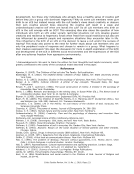
Lloyd, J. H. (1973). ―Religion and Insanity, Folie partagée, Folie à trois.‖ Australian and New Zealand
Journal of Psychiatry, 7: 193–199.
Mason, A. A. (1994). ―A Psychoanalyst Looks at a Hypnotist: A Study of folie à deux.‖ Psychoanalytic
Quarterly, 63(4): 641–679.
Mentjox, R. van Houten, C. A. G. &Kooiman, C. G. (1993). ―Induced Psychotic Disorder: Clinical
Aspects, Theoretical Considerations, and Some Guidelines for Treatment.‖ Comprehensive
Psychiatry, 34: 120–126.
Noyes, R. Frye, S. &Hartford, C. (1977). ―Conjugal Suicide Pact.‖ The Journal of Nervous and Mental
Disease, 165(1): 72–75.
Perlado, M. (2003). "Clinical and Diagnostic Issues of Cultism: Group Dependence Disorder." Cultic
Studies Review, 2 (2).
Sacks, M. H. (1988). ―Folie à deux‖. Comprehensive Psychiatry, 29 (3): 270–277.
Sanjurjo-Hartman, T. Weitzner, M. A. &Santana, C. (2001). ―Cancer and folie à deux. Cancer
Practice, 9(6): 290–294.
Singer, M. T., &Ofshe, R. (1990). ―Thought Reform Programs and the Production of Psychiatric
Casualties.‖ Psychiatric Annals, 20 (4)
Sirkin, M. I., &Rueveni, U. (1992). ―The Role of Network Therapy in the Treatment of Relational
Disorders: Cults and folie à deux.‖ Contemporary Family Therapy: An International Journal,
14(3): 211–224.
Tishler, C. L., &Meltzer, J. (2004). ―Folie à deux in Children: An Emergency Room
Presentation.‖ Clinical Case Studies, 3(1): 49–56.
Tobias, M. L., &Lalich, J. (1994). Captive Hearts, Captive Minds: Freedom and Recovery from Cults
and Abusive Relationships. California: Hunter House.
Yaryura-Tobias, J. A. Toro-Martinez, E. &Spinetto, M. (2001). ―Shared Obsessive-Compulsive
Disorder: A Clinical Report.‖ Behavior Therapist, 24(6): 126, 133.
Volkan, V. (2007). ―De Waco al Valle Bamian: Regresión y fundamentalismo religioso.‖ En M. Perlado
(Coord.), Estudios clínicos sobre sectas. Barcelona: AIS.
Waeltzer, H. (1963). ―A Psychotic Family. Folie à douze.‖ Journal of Nervous and Mental Disease, 137:
67–75.
Wehle, D. (2010). ―‗Just Joking‘: Psychoanalytic Treatment of the Suppression of Creativity in Cults.‖
Cultic Studies Review, 9(1), 1-52.
Wehmeier, P. M. Barth, N. &Remschmidt, H. (2003). ―Induced Delusional Disorder: A Review of the
Concept and an Unusual Case of folie à famille.‖ Psychopathology: 36(1): 37–45.
West, L. J., &Langone, M. D. (1986). ―Cultism: A Conference for Scholars and Policy Makers.‖ Cultic
Studies Journal, 3: 117–134.
World Health Organization (1992). The ICD-10 Classification of Mental and Behavioural
Disorders (10th ed.). Switzerland: World Health Organization.
Miguel Perlado is a psychologist, psychotherapist (associated member of the Spanish
Federation of Psychotherapy Associations, FEAP/EAP), psychoanalyst (Barcelona Institute of
Psychoanalysis, IPB/SEP), and member of the Board of Directors of iPsi Psychoanalytic
Training Center. He worked for eleven years with Attention and Research on Social
Addictions (AIS) in Barcelona, and now he is the Director of AIIAP (Iberoamerican
Association for Research on Psychological Abuse). Dr. Perlado has specialized in cult-related
problems, helping families, current members, and ex- members of cults. He has published a
number of professional articles on the subject and has organized numerous seminars for
mental health professionals in Spain. (mperlado@copc.es)
This article is an electronic version of an article originally published in Cultic Studies Review, 2010, Volume 9, Number 1,
pages 53-77. Please keep in mind that the pagination of this electronic reprint differs from that of the bound volume. This
fact could affect how you enter bibliographic information in papers that you may write.
Lloyd, J. H. (1973). ―Religion and Insanity, Folie partagée, Folie à trois.‖ Australian and New Zealand
Journal of Psychiatry, 7: 193–199.
Mason, A. A. (1994). ―A Psychoanalyst Looks at a Hypnotist: A Study of folie à deux.‖ Psychoanalytic
Quarterly, 63(4): 641–679.
Mentjox, R. van Houten, C. A. G. &Kooiman, C. G. (1993). ―Induced Psychotic Disorder: Clinical
Aspects, Theoretical Considerations, and Some Guidelines for Treatment.‖ Comprehensive
Psychiatry, 34: 120–126.
Noyes, R. Frye, S. &Hartford, C. (1977). ―Conjugal Suicide Pact.‖ The Journal of Nervous and Mental
Disease, 165(1): 72–75.
Perlado, M. (2003). "Clinical and Diagnostic Issues of Cultism: Group Dependence Disorder." Cultic
Studies Review, 2 (2).
Sacks, M. H. (1988). ―Folie à deux‖. Comprehensive Psychiatry, 29 (3): 270–277.
Sanjurjo-Hartman, T. Weitzner, M. A. &Santana, C. (2001). ―Cancer and folie à deux. Cancer
Practice, 9(6): 290–294.
Singer, M. T., &Ofshe, R. (1990). ―Thought Reform Programs and the Production of Psychiatric
Casualties.‖ Psychiatric Annals, 20 (4)
Sirkin, M. I., &Rueveni, U. (1992). ―The Role of Network Therapy in the Treatment of Relational
Disorders: Cults and folie à deux.‖ Contemporary Family Therapy: An International Journal,
14(3): 211–224.
Tishler, C. L., &Meltzer, J. (2004). ―Folie à deux in Children: An Emergency Room
Presentation.‖ Clinical Case Studies, 3(1): 49–56.
Tobias, M. L., &Lalich, J. (1994). Captive Hearts, Captive Minds: Freedom and Recovery from Cults
and Abusive Relationships. California: Hunter House.
Yaryura-Tobias, J. A. Toro-Martinez, E. &Spinetto, M. (2001). ―Shared Obsessive-Compulsive
Disorder: A Clinical Report.‖ Behavior Therapist, 24(6): 126, 133.
Volkan, V. (2007). ―De Waco al Valle Bamian: Regresión y fundamentalismo religioso.‖ En M. Perlado
(Coord.), Estudios clínicos sobre sectas. Barcelona: AIS.
Waeltzer, H. (1963). ―A Psychotic Family. Folie à douze.‖ Journal of Nervous and Mental Disease, 137:
67–75.
Wehle, D. (2010). ―‗Just Joking‘: Psychoanalytic Treatment of the Suppression of Creativity in Cults.‖
Cultic Studies Review, 9(1), 1-52.
Wehmeier, P. M. Barth, N. &Remschmidt, H. (2003). ―Induced Delusional Disorder: A Review of the
Concept and an Unusual Case of folie à famille.‖ Psychopathology: 36(1): 37–45.
West, L. J., &Langone, M. D. (1986). ―Cultism: A Conference for Scholars and Policy Makers.‖ Cultic
Studies Journal, 3: 117–134.
World Health Organization (1992). The ICD-10 Classification of Mental and Behavioural
Disorders (10th ed.). Switzerland: World Health Organization.
Miguel Perlado is a psychologist, psychotherapist (associated member of the Spanish
Federation of Psychotherapy Associations, FEAP/EAP), psychoanalyst (Barcelona Institute of
Psychoanalysis, IPB/SEP), and member of the Board of Directors of iPsi Psychoanalytic
Training Center. He worked for eleven years with Attention and Research on Social
Addictions (AIS) in Barcelona, and now he is the Director of AIIAP (Iberoamerican
Association for Research on Psychological Abuse). Dr. Perlado has specialized in cult-related
problems, helping families, current members, and ex- members of cults. He has published a
number of professional articles on the subject and has organized numerous seminars for
mental health professionals in Spain. (mperlado@copc.es)
This article is an electronic version of an article originally published in Cultic Studies Review, 2010, Volume 9, Number 1,
pages 53-77. Please keep in mind that the pagination of this electronic reprint differs from that of the bound volume. This
fact could affect how you enter bibliographic information in papers that you may write.