Cultic Studies Journal, Vol. 18, 2001, Page 77
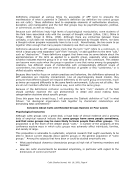
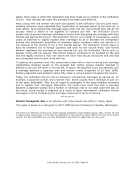
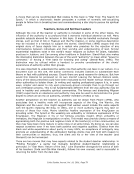
Totalitarian in their world view
Uses mind altering techniques (chanting, meditation, hypnosis and various forms of
repetitive actions) to stop normal critical thinking
Appear exclusive and innovative
Charismatic or messianic leader who is self-appointed and has a special mission in life
Controls the flow of information
Instills a fear of leaving the group. (Giambalvo, 2000)
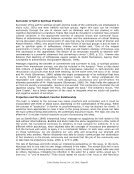
It would also be important to stress that no list of characteristics provides an absolute
definition. An individual may feel betrayed or traumatized by participation in a community
that has a subset of these characteristics or invokes these characteristics in greater or
lesser degree. After surviving the extremes of a concentration camp, Viktor Frankl said,
―…suffering completely fills the human soul and consciousness, no matter whether the
suffering is great or little. Therefore the ‗size‘ of human suffering is absolutely relative‖
(1963, p. 70). Our clients need not discount the severity of their USC involvement due to
comparison with any external factors.
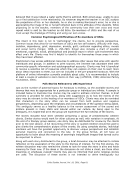
Who Joins a Cult?
At one time, it was believed that cult members tended to be middle class young adults,
rejecting materialism or feeling otherwise dissatisfied or unfulfilled by the mainstream
options around them (Schwartz &Kaslow, 1979). It has also been said that individuals are
more vulnerable to cults when they are in periods of life transitions due to changes in
relationships, jobs, or moving (Whitsett, 1992). More recently, there have been indications
that cults have extended their recruiting to additional groups including the elderly and
business executives (Schwartz &Kaslow, 2001). A credible perspective in the literature
indicates that, while there are factors that increase vulnerability, anyone can be at risk due
to the sophisticated techniques employed by cults (Singer, 1996). Singer reported that two-
thirds of cult members are from normal functioning families demonstrating age appropriate
behavior when they joined the cult only five to six percent had major psychological
difficulties (1996, p. 17).
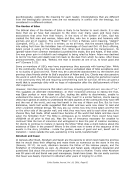
In presenting information to clients about those who join cults, positive factors may also be
included. For clients who perceive only self-critical reasons for their USC participation,
affirmation that their motivations for self improvement, perceptions of a spiritual calling,
and goals of improving society may be healthy and admirable qualities. Assisting clients in
finding nourishing and constructive expressions of these positive qualities enables the same
qualities to be drawn upon in the healing process.
Techniques Used by Spiritual Groups to Recruit Members
There are abundant resources to confirm that cults use sophisticated and deceptive
techniques to recruit members (Singer, 1996 Shaw, 1996 Hassan, 1990 Langone, 1996
reFOCUS, 1998 Giambalvo, 2000 Schwartz &Kaslow, 2001). Many of these same sources
state that anyone can be recruited in a cult (Singer, 1996 Shaw, 1996 Langone, 1993).
For USCs that may be less intentionally coercive in their approach, the inducements and
deceptions may be present but subtle the sense of betrayal can still be traumatic (Cope,
1999). One possible approach to a handout on this topic would be to summarize one of the
autobiographical accounts of a healthy individual‘s recruitment into a cult (Hassan, 1990
Cope, 1999). Another would be to list the techniques used by USCs in recruitment (Singer,
1996 Shaw, 1996 Hassan, 1990 Langone, 1996 reFOCUS, 1998 Giambalvo, 2000
Schwartz &Kaslow, 2001).
Totalitarian in their world view
Uses mind altering techniques (chanting, meditation, hypnosis and various forms of
repetitive actions) to stop normal critical thinking
Appear exclusive and innovative
Charismatic or messianic leader who is self-appointed and has a special mission in life
Controls the flow of information
Instills a fear of leaving the group. (Giambalvo, 2000)
It would also be important to stress that no list of characteristics provides an absolute
definition. An individual may feel betrayed or traumatized by participation in a community
that has a subset of these characteristics or invokes these characteristics in greater or
lesser degree. After surviving the extremes of a concentration camp, Viktor Frankl said,
―…suffering completely fills the human soul and consciousness, no matter whether the
suffering is great or little. Therefore the ‗size‘ of human suffering is absolutely relative‖
(1963, p. 70). Our clients need not discount the severity of their USC involvement due to
comparison with any external factors.
Who Joins a Cult?
At one time, it was believed that cult members tended to be middle class young adults,
rejecting materialism or feeling otherwise dissatisfied or unfulfilled by the mainstream
options around them (Schwartz &Kaslow, 1979). It has also been said that individuals are
more vulnerable to cults when they are in periods of life transitions due to changes in
relationships, jobs, or moving (Whitsett, 1992). More recently, there have been indications
that cults have extended their recruiting to additional groups including the elderly and
business executives (Schwartz &Kaslow, 2001). A credible perspective in the literature
indicates that, while there are factors that increase vulnerability, anyone can be at risk due
to the sophisticated techniques employed by cults (Singer, 1996). Singer reported that two-
thirds of cult members are from normal functioning families demonstrating age appropriate
behavior when they joined the cult only five to six percent had major psychological
difficulties (1996, p. 17).
In presenting information to clients about those who join cults, positive factors may also be
included. For clients who perceive only self-critical reasons for their USC participation,
affirmation that their motivations for self improvement, perceptions of a spiritual calling,
and goals of improving society may be healthy and admirable qualities. Assisting clients in
finding nourishing and constructive expressions of these positive qualities enables the same
qualities to be drawn upon in the healing process.
Techniques Used by Spiritual Groups to Recruit Members
There are abundant resources to confirm that cults use sophisticated and deceptive
techniques to recruit members (Singer, 1996 Shaw, 1996 Hassan, 1990 Langone, 1996
reFOCUS, 1998 Giambalvo, 2000 Schwartz &Kaslow, 2001). Many of these same sources
state that anyone can be recruited in a cult (Singer, 1996 Shaw, 1996 Langone, 1993).
For USCs that may be less intentionally coercive in their approach, the inducements and
deceptions may be present but subtle the sense of betrayal can still be traumatic (Cope,
1999). One possible approach to a handout on this topic would be to summarize one of the
autobiographical accounts of a healthy individual‘s recruitment into a cult (Hassan, 1990
Cope, 1999). Another would be to list the techniques used by USCs in recruitment (Singer,
1996 Shaw, 1996 Hassan, 1990 Langone, 1996 reFOCUS, 1998 Giambalvo, 2000
Schwartz &Kaslow, 2001).