Cultic Studies Journal, Vol. 18, 2001, Page 64
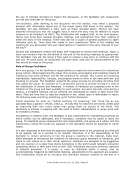
Armageddon is not entirely a figment of someone‘s over-active imagination. We are all too
aware that it only takes one resourceful and resentful bomb-builder to hold a community or
a nation hostage by threatening to explode the weapon. Similarly, in late 2001 the
appearance of anthrax-tainted mail and postal equipment, whether or not the work of the
al-Queda group, has created considerable anxiety in the United States about the possible
use of biochemical weapons to fulfill the self-ordained mission of someone or some group to
destroy this country.
Lifton (1997) explained this threat as one of ―forcing the end.‖ He wrote:
When the discontented break isolation and join in communal religious
practices where the shared fantasies can be manipulated between leader and
followers, where there is a commitment to endtime, when there exists a
megalomaniac attraction to nuclear weapons, when people embrace a
system of killing that can be experienced as not killing (as in the case of Aum
Shinrikyo and its concept of poa), when religious traditions feed that system
of killing, when there arise ambitions of imposing salvation on all of
humankind, then we have the factors that give birth to a phenomenon like
Aum Shinrikyo‖ (pp. 28-29).
Lifton‘s statement seems almost prophetic of the events that began on September 11,
2001.
Preventive Programs
It is often difficult to design preventive programs for situations that are largely
unimaginable even to professionals. However, there are ways to reduce the damage done
by cults, since it is unlikely that we can wipe them out altogether.
There are strengths we can try to provide to all children so that they will not be as
vulnerable to the patter of cult recruiters (and others) when they reach adolescence
(Schwartz, 1991). We can begin when the child is quite young, even two years old, to
teach the child to make choices and to live with them. If we begin with relatively
inconsequential matters, like which color shirt to wear today, the child will become
accustomed to choosing and to adjusting to the consequences of choice. As the child gets
older, the behavior of choice is extended to more areas of activity. If the consequences are
sometimes less than what the child expected, this, too, is a lesson that must be learned.
Taking responsibility is something too few accept today, and yet is a truly adult behavior.
The goal here is to have the child gain an internal locus of control, rather than a lack of
responsibility stemming from having others make decisions for him or her.
There are lessons to be taught in school and in society. For one thing, we can discuss the
practices of cult recruiters so that young people, and the elderly, are alerted and
forewarned. Publicity in the form of public service messages directed at informing people of
the techniques used – how misleading they are and how the recruiters look for the most
gullible – is one possibility. For most of the years that I taught at my Penn State campus
just outside of Philadelphia, I would talk to my second-year students about cults, about cult
recruiting techniques, and about what they could do not to be vulnerable to them. These
were, for the most part, late adolescents who had never lived away from home and who
would be moving to central Pennsylvania for their Junior and Senior college years. Many of
them would return months later with stories of how they had been approached with a story
about some group that was embarked on a great welfare project, and wouldn‘t they come to
dinner and hear about it to see if they might be interested in working on it. Bells rang in
their heads, they said, and they quickly walked the other way. If they hadn‘t remembered
the course content, at least they had remembered something that might prove to be far
more important in their lives.
Armageddon is not entirely a figment of someone‘s over-active imagination. We are all too
aware that it only takes one resourceful and resentful bomb-builder to hold a community or
a nation hostage by threatening to explode the weapon. Similarly, in late 2001 the
appearance of anthrax-tainted mail and postal equipment, whether or not the work of the
al-Queda group, has created considerable anxiety in the United States about the possible
use of biochemical weapons to fulfill the self-ordained mission of someone or some group to
destroy this country.
Lifton (1997) explained this threat as one of ―forcing the end.‖ He wrote:
When the discontented break isolation and join in communal religious
practices where the shared fantasies can be manipulated between leader and
followers, where there is a commitment to endtime, when there exists a
megalomaniac attraction to nuclear weapons, when people embrace a
system of killing that can be experienced as not killing (as in the case of Aum
Shinrikyo and its concept of poa), when religious traditions feed that system
of killing, when there arise ambitions of imposing salvation on all of
humankind, then we have the factors that give birth to a phenomenon like
Aum Shinrikyo‖ (pp. 28-29).
Lifton‘s statement seems almost prophetic of the events that began on September 11,
2001.
Preventive Programs
It is often difficult to design preventive programs for situations that are largely
unimaginable even to professionals. However, there are ways to reduce the damage done
by cults, since it is unlikely that we can wipe them out altogether.
There are strengths we can try to provide to all children so that they will not be as
vulnerable to the patter of cult recruiters (and others) when they reach adolescence
(Schwartz, 1991). We can begin when the child is quite young, even two years old, to
teach the child to make choices and to live with them. If we begin with relatively
inconsequential matters, like which color shirt to wear today, the child will become
accustomed to choosing and to adjusting to the consequences of choice. As the child gets
older, the behavior of choice is extended to more areas of activity. If the consequences are
sometimes less than what the child expected, this, too, is a lesson that must be learned.
Taking responsibility is something too few accept today, and yet is a truly adult behavior.
The goal here is to have the child gain an internal locus of control, rather than a lack of
responsibility stemming from having others make decisions for him or her.
There are lessons to be taught in school and in society. For one thing, we can discuss the
practices of cult recruiters so that young people, and the elderly, are alerted and
forewarned. Publicity in the form of public service messages directed at informing people of
the techniques used – how misleading they are and how the recruiters look for the most
gullible – is one possibility. For most of the years that I taught at my Penn State campus
just outside of Philadelphia, I would talk to my second-year students about cults, about cult
recruiting techniques, and about what they could do not to be vulnerable to them. These
were, for the most part, late adolescents who had never lived away from home and who
would be moving to central Pennsylvania for their Junior and Senior college years. Many of
them would return months later with stories of how they had been approached with a story
about some group that was embarked on a great welfare project, and wouldn‘t they come to
dinner and hear about it to see if they might be interested in working on it. Bells rang in
their heads, they said, and they quickly walked the other way. If they hadn‘t remembered
the course content, at least they had remembered something that might prove to be far
more important in their lives.