Cultic Studies Journal, Vol. 18, 2001, Page 76
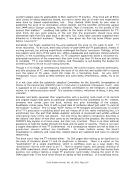
methods of Thought Reform listed above, and use them to various degrees. An argument
could be made that mainstream religions and Cognitive Behavioral psychologists use
methods of thought control to a degree. Mainstream religions may also include some of the
features defined as characteristics of cults as well. The presence of selected characteristics
or less coercive indoctrination alone does not necessarily define a community as a cult. This
leaves a subjective quality to the identification of unhealthy spiritual communities and cults.
As treatment practitioners (as opposed to policy developers), it is unnecessary for us to
develop a rigid definition of USCs to impose upon organizations. Rather, information about
cults‘ characteristics, models of persuasion and Thought Reform better serve us as stimuli
with which to explore with our clients the nature and intensity of their perceptions of their
communities. By providing information about experiences common to many ex-members of
USCs, clients have an opportunity to reflect upon those characteristics meaningful to them.
Factual Information And Healing From USC Involvement
There is no doubt that the two thousand or more groups regarded as cults (Schwartz &
Kaslow, 2001) with two to three million members (Bloch &Shor, 1989) and the possibly
greater number of USCs encompass a breadth of styles and unique rituals. Clearly no pre-
prepared handouts could capture the range of issues of importance to all groups. Still, many
of the ex-members present questions and concerns around common issues (Hassan, 1990
Singer, 1996 Langone, 1993). By increasing their cognitive understanding of these issues,
some ex-members are able to find perspectives with which they can better understand their
involvement in USCs and often reduce their feelings of guilt and shame. The topics
described below for inclusion as prepared handouts encompass some issues identified by
others (Hassan, 1990 Singer, 1996 Langone, 1993) and some issues associated with the
stories to be included in the group treatment approach. The intent of the handouts is to
provide information, not answers, so that the clients may come to their own conclusions.
Presentation of multiple viewpoints requiring their judgment will likely be at variance with
their experience within USCs.
What Defines a Spiritual Group as a “Cult?”
Depending on their own stage in the healing process, many ex-members of USCs may wish
to explore the ways in which their community provided an environment in which they were
able to grow, and other ways in which it contributed to trauma and was a barrier to their
personal development. Not all clients will be ready to consider both positive and negative
aspects of their experiences at any given time, though their emotions may be complex and
include ambiguity. Exposure to descriptions of common features of cults may assist clients
in reflecting on the negative aspects of their groups, help them to normalize their reactions,
and affirm critical thoughts about the group that may have been long discouraged and
suppressed during their group membership.
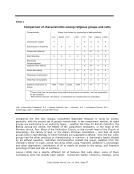
In addition to the definition of cults provided above (Langone, 1993), use of more than one
characterization may provide clients alternate perspectives and vocabularies for comparison.
Carol Giambalvo has the following list of characteristics included on her website.
What Are Some Characteristics of a Cult?
Authoritarian in their power structure
Totalitarian in their control of the behavior of their members
Pyramidal structure
Uses thought reform techniques
Isolation of members (physical and/or psychological isolation) from society
Uses deception in recruiting and/or fund raising
Promotes dependence of the members on the group
methods of Thought Reform listed above, and use them to various degrees. An argument
could be made that mainstream religions and Cognitive Behavioral psychologists use
methods of thought control to a degree. Mainstream religions may also include some of the
features defined as characteristics of cults as well. The presence of selected characteristics
or less coercive indoctrination alone does not necessarily define a community as a cult. This
leaves a subjective quality to the identification of unhealthy spiritual communities and cults.
As treatment practitioners (as opposed to policy developers), it is unnecessary for us to
develop a rigid definition of USCs to impose upon organizations. Rather, information about
cults‘ characteristics, models of persuasion and Thought Reform better serve us as stimuli
with which to explore with our clients the nature and intensity of their perceptions of their
communities. By providing information about experiences common to many ex-members of
USCs, clients have an opportunity to reflect upon those characteristics meaningful to them.
Factual Information And Healing From USC Involvement
There is no doubt that the two thousand or more groups regarded as cults (Schwartz &
Kaslow, 2001) with two to three million members (Bloch &Shor, 1989) and the possibly
greater number of USCs encompass a breadth of styles and unique rituals. Clearly no pre-
prepared handouts could capture the range of issues of importance to all groups. Still, many
of the ex-members present questions and concerns around common issues (Hassan, 1990
Singer, 1996 Langone, 1993). By increasing their cognitive understanding of these issues,
some ex-members are able to find perspectives with which they can better understand their
involvement in USCs and often reduce their feelings of guilt and shame. The topics
described below for inclusion as prepared handouts encompass some issues identified by
others (Hassan, 1990 Singer, 1996 Langone, 1993) and some issues associated with the
stories to be included in the group treatment approach. The intent of the handouts is to
provide information, not answers, so that the clients may come to their own conclusions.
Presentation of multiple viewpoints requiring their judgment will likely be at variance with
their experience within USCs.
What Defines a Spiritual Group as a “Cult?”
Depending on their own stage in the healing process, many ex-members of USCs may wish
to explore the ways in which their community provided an environment in which they were
able to grow, and other ways in which it contributed to trauma and was a barrier to their
personal development. Not all clients will be ready to consider both positive and negative
aspects of their experiences at any given time, though their emotions may be complex and
include ambiguity. Exposure to descriptions of common features of cults may assist clients
in reflecting on the negative aspects of their groups, help them to normalize their reactions,
and affirm critical thoughts about the group that may have been long discouraged and
suppressed during their group membership.
In addition to the definition of cults provided above (Langone, 1993), use of more than one
characterization may provide clients alternate perspectives and vocabularies for comparison.
Carol Giambalvo has the following list of characteristics included on her website.
What Are Some Characteristics of a Cult?
Authoritarian in their power structure
Totalitarian in their control of the behavior of their members
Pyramidal structure
Uses thought reform techniques
Isolation of members (physical and/or psychological isolation) from society
Uses deception in recruiting and/or fund raising
Promotes dependence of the members on the group