Cultic Studies Journal, Vol. 18, 2001, Page 36
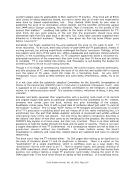
On 20 November 1956, the Supreme Court found a member of a religious organization
guilty of extortion and fraud. In this case, a married woman who had a black and blue mark
on her face went to the organization for counseling. She was told that the mark would
disappear through prayer but that if she were to leave the organization of her own accord
then god would make her face black. Intimidating the woman and forcing her to pay prayer
money to heal the bruise amounted to extortion. Further, the act of making the woman pay
the said prayer money for a service that was known to be ineffective and falsely claiming
that the service was indeed effective amounted to fraud. On 22 November 1966, the
Supreme Court also ruled that it is an act of fraud to collect monetary offerings by falsely
claiming that the money was for religious activities.
In another case, a district court of Aomori Prefecture judged two members of the Unification
Church to be guilty of extortion. In this particular case, a housewife was taken to a hotel
room where she was persuaded and intimidated for nine hours. During this time, she was
told, for example, that the child she aborted and her deceased, first husband were suffering
in the spiritual world and that if she did not liberate them from the suffering, then her
present child and husband would meet misfortune. In this way, the woman was intimidated
into donating a sum of 12 million yen to Unification Church members.
However, the first judgment to recognize systematic fraud by a religious organization and to
rule the top leaders guilty of such acts was made quite recently by the Nagoya District Court
on 19 July 1999. This religious organization solicited people by advertising in a newspaper
handbill, ―All pain and suffering will be wiped away through spiritual vision.‖ This
organization‘s temple was actually one room in a large apartment. The organization‘s
employees, in following the organization‘s manual, intimidated the people who came to the
―temple‖ by telling them that they were cursed by their ancestors and that their children
were possessed by evil spirits, etc. The employees charged these people millions of yen in
prayer money. In various districts throughout Japan, 580 victims of this scheme filed civil
cases against this organization. To date about 1,600,000,000 yen have been recovered.
Eleven persons, including the leaders of this organization, were convicted of fraud.
In December 1999, the Ministry of Culture filed proceedings at the Wakayama District Court
requesting the court to order the dissolution of the said religious organization as a religious
corporation recognized under Japanese law. Moreover, in November 1999, the Tokyo Police
Agency, on suspicion of fraud, initiated a nationwide compulsory investigation of Ho no
Hana (a new religious organization).
This religious organization used such tactics as reading the bottom of a person‘s feet, telling
him that he would face great misfortune. He was then solicited to attend a 4-night/5 day
training course at a cost of 1,250,000 yen, upon completion of which he was guaranteed the
avoidance of misfortune. Further, the organization solicited time and time again several
millions of yen in donations for hanging scrolls, the religious leader‘s hand prints, and bone
fragments of Buddha. While the organization claims that these acts are based on its leader‘s
principal teaching that eternal goodness comes only from heaven, there is enough evidence
to prove that these claims are untruths. More than one thousand victims of this organization
had filed civil suits throughout the country, seeking a total of 5 billion yen in damages, and
many of them have won the cases and received several hundred million yen as
compensation. In 2000, the leader and other followers of this organization were arrested
and indicted for fraud. The Tokyo district court declared its bankruptcy and the group was
dissolved as a religious corporation in March 2001.
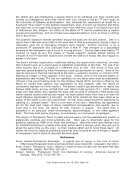
In the cases described above, it is clear that the said organizations and individuals acting for
such organizations should be prosecuted for their crimes of fraud and extortion. Still, had
criminal proceedings been initiated earlier, new injuries could have been prevented.
On 20 November 1956, the Supreme Court found a member of a religious organization
guilty of extortion and fraud. In this case, a married woman who had a black and blue mark
on her face went to the organization for counseling. She was told that the mark would
disappear through prayer but that if she were to leave the organization of her own accord
then god would make her face black. Intimidating the woman and forcing her to pay prayer
money to heal the bruise amounted to extortion. Further, the act of making the woman pay
the said prayer money for a service that was known to be ineffective and falsely claiming
that the service was indeed effective amounted to fraud. On 22 November 1966, the
Supreme Court also ruled that it is an act of fraud to collect monetary offerings by falsely
claiming that the money was for religious activities.
In another case, a district court of Aomori Prefecture judged two members of the Unification
Church to be guilty of extortion. In this particular case, a housewife was taken to a hotel
room where she was persuaded and intimidated for nine hours. During this time, she was
told, for example, that the child she aborted and her deceased, first husband were suffering
in the spiritual world and that if she did not liberate them from the suffering, then her
present child and husband would meet misfortune. In this way, the woman was intimidated
into donating a sum of 12 million yen to Unification Church members.
However, the first judgment to recognize systematic fraud by a religious organization and to
rule the top leaders guilty of such acts was made quite recently by the Nagoya District Court
on 19 July 1999. This religious organization solicited people by advertising in a newspaper
handbill, ―All pain and suffering will be wiped away through spiritual vision.‖ This
organization‘s temple was actually one room in a large apartment. The organization‘s
employees, in following the organization‘s manual, intimidated the people who came to the
―temple‖ by telling them that they were cursed by their ancestors and that their children
were possessed by evil spirits, etc. The employees charged these people millions of yen in
prayer money. In various districts throughout Japan, 580 victims of this scheme filed civil
cases against this organization. To date about 1,600,000,000 yen have been recovered.
Eleven persons, including the leaders of this organization, were convicted of fraud.
In December 1999, the Ministry of Culture filed proceedings at the Wakayama District Court
requesting the court to order the dissolution of the said religious organization as a religious
corporation recognized under Japanese law. Moreover, in November 1999, the Tokyo Police
Agency, on suspicion of fraud, initiated a nationwide compulsory investigation of Ho no
Hana (a new religious organization).
This religious organization used such tactics as reading the bottom of a person‘s feet, telling
him that he would face great misfortune. He was then solicited to attend a 4-night/5 day
training course at a cost of 1,250,000 yen, upon completion of which he was guaranteed the
avoidance of misfortune. Further, the organization solicited time and time again several
millions of yen in donations for hanging scrolls, the religious leader‘s hand prints, and bone
fragments of Buddha. While the organization claims that these acts are based on its leader‘s
principal teaching that eternal goodness comes only from heaven, there is enough evidence
to prove that these claims are untruths. More than one thousand victims of this organization
had filed civil suits throughout the country, seeking a total of 5 billion yen in damages, and
many of them have won the cases and received several hundred million yen as
compensation. In 2000, the leader and other followers of this organization were arrested
and indicted for fraud. The Tokyo district court declared its bankruptcy and the group was
dissolved as a religious corporation in March 2001.
In the cases described above, it is clear that the said organizations and individuals acting for
such organizations should be prosecuted for their crimes of fraud and extortion. Still, had
criminal proceedings been initiated earlier, new injuries could have been prevented.