Cultic Studies Journal, Vol. 18, 2001, Page 108
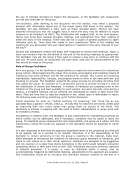
adherents dropped from membership are not shunned, but are to be treated as any other
non-Baha‘i.
Outside the world of Baha‘i cyberspace, the information available to adherents is still
controlled, and these conflicts have garnered little attention from the non-Baha‘i media.68
Newcomers to Baha‘i forums online frequently express shock and dismay at the often
strident criticisms leveled at the Baha‘i administration others are appalled at the punitive
actions taken against their co-religionists in what they had always believed to be a tolerant
faith. Those disturbed by the actions of the UHJ can be thrown into a crisis of faith where
they either have to adjust their values to find such harsh measures acceptable or abandon
belief in Baha‘u‘llah. A few find the nontraditional path where Baha‘u‘llah is still the center of
their spiritual focus, but infallibility of the UHJ is seen as limited or even nonexistent.
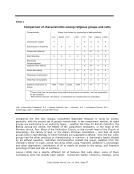
While the Baha‘i Faith is not a cult, it does have an authoritarian structure and conformist
culture that many of those attracted to the liberal ideals and inspiring writings of Baha‘u‘llah
find intolerably restrictive. It remains to be seen whether the new openness afforded by
Internet discourse will push the administration towards the tolerant ideals contained in its
scriptures or cause it to retreat ever further into defensive fear.
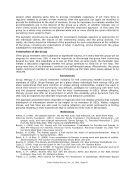
Notes
1 Tourish, Dennis and Wohlforth, Tim.(2000). Prophets of the apocalypse: White supremacy and the
theology of Christian Identity. Cultic Studies Journal ,17,17.
2 Universal House of Justice.(1988). Individual rights and freedoms in the world order of
Baha’u’llah. Electronic version retrieved January 9, 2002, from Baha‘i Academics Resource
Library: http://bahai-library.org/published.uhj/irf.html
3 Smith, Peter. (1987). The Babi and Baha’i religions: From messianic Shi’ism to world
religion Cambridge: Cambridge University Press. p.189.
4 My observations on this and other aspects of Baha‘i culture are based upon thirteen years as an
enrolled member of the Baha‘i Faith, and extensive online conversations with Baha‘is across the
ideological spectrum over the past two years. I also run an online support group for alienated and
former Baha‘is.
5 For one example of this attitude from a prominent Baha‘i dissident, see Cole, Juan R.I. (1999).
Personal statement on Baha’u’llah, 3 years on. Retrieved January 9, 2002 from Juan R.I.
Cole website: http://www-personal.umich.edu/~jrcole/bahai/1999/persdec.htm
6 Universal House of Justice. (2001). April 4 letter to National Spiritual Assemblies.
7 ‗Abdu‘l-Baha. (1971) Will and testament of ‘Abdu’l-Baha’. Wilmette, Ill.: Baha‘i Publishing Trust.
8 Documents related to the expulsion by the Universal House of Justice of Michael McKenny
from the Baha’i Faith. (1997) Retrieved January 9, 2002 from Juan R.I. Cole website:
http://www-personal.umich.edu/~jrcole/bahai/1999/mckenny.htm. See UHJ letter dated
September 27, 1997 to Catherine Woodgold. Universal House of Justice. (1999) April 7 letter to
National Spiritual Assemblies Issues related to the study of the Baha’i Faith. Retrieved
January 9, 2002 from Baha‘i Academics Resource Library: http://bahai-
library.org/compilations/issues.scholarship.html Explanation given by the House of Justice
for Alison’s expulsion. (2000) Retrieved January 9, 2002 from Alison Marshall website:
http://home.clear.net.nz/pages/alisonz/19-4-00.html
9 ‗Abdu‘l-Baha. Will and testament p.11.
10 The Ontario Consultants on Religious Tolerance Baha’i page. Retrieved January 9, 2002 from
The Ontario Consultants on Religious Tolerance website:
http://www.religioustolerance.org/bahai.htm The OCRT lists six organizations outside the Baha‘i
World Faith. Some of these are defunct or nearly so. A brief history of Baha‘i splinter groups can
be found in Momen, Moojan. Covenant. Retrieved January 9, 2002 from Baha‘i Academics
Resource Library: http://bahai-library.org/encyclopedia/covenant.html
11 A description of the roles of the Guardianship and House of Justice can be found in Rabbani, Shoghi
Effendi. (1974) The dispensation of Baha’u’llah. World order of Baha’u’llah. Wilmette, Ill.:
Baha‘i Publishing Trust, pp.143-151.
12 Cole, Juan R. I.(1998). Baha’i Faith as panopticon 1963-1997. Journal for the scientific study of
religion, 37(2), 234-248. Electronic version retrieved January 9, 2002 from Juan R.I. Cole
website: http:// www-personal.umich.edu/~jrcole/bahai/1999/jssr/bhjssr.htm
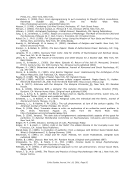
adherents dropped from membership are not shunned, but are to be treated as any other
non-Baha‘i.
Outside the world of Baha‘i cyberspace, the information available to adherents is still
controlled, and these conflicts have garnered little attention from the non-Baha‘i media.68
Newcomers to Baha‘i forums online frequently express shock and dismay at the often
strident criticisms leveled at the Baha‘i administration others are appalled at the punitive
actions taken against their co-religionists in what they had always believed to be a tolerant
faith. Those disturbed by the actions of the UHJ can be thrown into a crisis of faith where
they either have to adjust their values to find such harsh measures acceptable or abandon
belief in Baha‘u‘llah. A few find the nontraditional path where Baha‘u‘llah is still the center of
their spiritual focus, but infallibility of the UHJ is seen as limited or even nonexistent.
While the Baha‘i Faith is not a cult, it does have an authoritarian structure and conformist
culture that many of those attracted to the liberal ideals and inspiring writings of Baha‘u‘llah
find intolerably restrictive. It remains to be seen whether the new openness afforded by
Internet discourse will push the administration towards the tolerant ideals contained in its
scriptures or cause it to retreat ever further into defensive fear.
Notes
1 Tourish, Dennis and Wohlforth, Tim.(2000). Prophets of the apocalypse: White supremacy and the
theology of Christian Identity. Cultic Studies Journal ,17,17.
2 Universal House of Justice.(1988). Individual rights and freedoms in the world order of
Baha’u’llah. Electronic version retrieved January 9, 2002, from Baha‘i Academics Resource
Library: http://bahai-library.org/published.uhj/irf.html
3 Smith, Peter. (1987). The Babi and Baha’i religions: From messianic Shi’ism to world
religion Cambridge: Cambridge University Press. p.189.
4 My observations on this and other aspects of Baha‘i culture are based upon thirteen years as an
enrolled member of the Baha‘i Faith, and extensive online conversations with Baha‘is across the
ideological spectrum over the past two years. I also run an online support group for alienated and
former Baha‘is.
5 For one example of this attitude from a prominent Baha‘i dissident, see Cole, Juan R.I. (1999).
Personal statement on Baha’u’llah, 3 years on. Retrieved January 9, 2002 from Juan R.I.
Cole website: http://www-personal.umich.edu/~jrcole/bahai/1999/persdec.htm
6 Universal House of Justice. (2001). April 4 letter to National Spiritual Assemblies.
7 ‗Abdu‘l-Baha. (1971) Will and testament of ‘Abdu’l-Baha’. Wilmette, Ill.: Baha‘i Publishing Trust.
8 Documents related to the expulsion by the Universal House of Justice of Michael McKenny
from the Baha’i Faith. (1997) Retrieved January 9, 2002 from Juan R.I. Cole website:
http://www-personal.umich.edu/~jrcole/bahai/1999/mckenny.htm. See UHJ letter dated
September 27, 1997 to Catherine Woodgold. Universal House of Justice. (1999) April 7 letter to
National Spiritual Assemblies Issues related to the study of the Baha’i Faith. Retrieved
January 9, 2002 from Baha‘i Academics Resource Library: http://bahai-
library.org/compilations/issues.scholarship.html Explanation given by the House of Justice
for Alison’s expulsion. (2000) Retrieved January 9, 2002 from Alison Marshall website:
http://home.clear.net.nz/pages/alisonz/19-4-00.html
9 ‗Abdu‘l-Baha. Will and testament p.11.
10 The Ontario Consultants on Religious Tolerance Baha’i page. Retrieved January 9, 2002 from
The Ontario Consultants on Religious Tolerance website:
http://www.religioustolerance.org/bahai.htm The OCRT lists six organizations outside the Baha‘i
World Faith. Some of these are defunct or nearly so. A brief history of Baha‘i splinter groups can
be found in Momen, Moojan. Covenant. Retrieved January 9, 2002 from Baha‘i Academics
Resource Library: http://bahai-library.org/encyclopedia/covenant.html
11 A description of the roles of the Guardianship and House of Justice can be found in Rabbani, Shoghi
Effendi. (1974) The dispensation of Baha’u’llah. World order of Baha’u’llah. Wilmette, Ill.:
Baha‘i Publishing Trust, pp.143-151.
12 Cole, Juan R. I.(1998). Baha’i Faith as panopticon 1963-1997. Journal for the scientific study of
religion, 37(2), 234-248. Electronic version retrieved January 9, 2002 from Juan R.I. Cole
website: http:// www-personal.umich.edu/~jrcole/bahai/1999/jssr/bhjssr.htm