Cultic Studies Journal, Vol. 18, 2001, Page 37
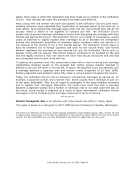
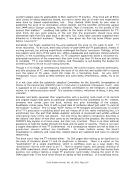
Because prosecution was delayed, thousands of individuals were victimized by these
organizations.
These two Buddhist-type religious organizations, which quickly grew in membership,
employed similar tactics. First, the main branch of the organization compiled manuals
outlining instructions on how to lie to and intimidate people. Second, the organizations set a
target amount of donations to be collected and then formed a chart showing the amount of
money collected. In light of objective evidence and in light of the statements made by main
organization members and seasoned believers, there is no room for doubt that such
concepts as ―the spiritual world,‖ ―the ill fate of one‘s ancestors,‖ ―heaven‘s voice‖ (the
concept that only good fortune descends from heaven), and ―reading the lines of one‘s foot
as an indication of one‘s fate‖ were used as tactics in collecting money for the organizations.
Apart from those cases in which evidence of fraud is apparent, in prosecution efforts to
indict believers of a religious organization, serious consideration must be given to the
freedom of religious belief. As an extreme example, it is difficult to scientifically prove the
virgin birth of Mary, the mother of Jesus Christ, as it is to prove Jesus Christ‘s resurrection.
In the same way, it is difficult to prove that Gotama Sidhartha and Nichi Ren were persons
who delivered themselves from the world. In most Buddhist sects in Japan, families often
pay fees to have the deceased person‘s sins cleared, for example, or to have a Buddhist
monk give a new name to the deceased person in the world of the dead. The latter often
requires a donation of about two million yen. These are common and acceptable practices in
Japan. Another similar practice is offering alms to unborn children, i.e., making donations to
a temple to heal an aborted child. Strong opinions are expressed that such practices are
nothing more than tactics used to collect money. However, it is questionable as to how
society would react if the police and court judges were to support or invoke such opinions as
well. Clearly, from the viewpoint of religious freedom, disclosing and prosecuting cases of
fraud need to be conducted with utmost caution.
Third, there have been cases regarding accumulated donations in which people, particularly
women and elderly people, have individually paid millions of yen in one payment to a
religious organization. Among these organizations are the Unification Church and the Ohgon
Jinja (translated directly, Yellow Gold Shrine, a group that centers itself on an individual
with alleged supernatural powers). Donation-soliciting activities involving women and
elderly in both of these organizations were recognized as unlawful (e.g., U.C. Supreme
Court 18 Sept. 1997, 11 March 1999, 21 Jan, 2000).
However, in the case of a male in his thirties with an undergraduate degree who donated
230 million yen to Kofuku no Kagaku (a religious organization founded about 10 years ago
by Ohkawa Ryuho, who still leads the organization) within one year after he joined the same
organization, the courts did not find that the religious organization acted unlawfully. (Tokyo
High Court judgment of 20 January 2000). The courts have similarly ruled in cases where
the believer participated in the religious organization over several years and over that time
made several donations ranging from ten thousand to one million yen. In these cases the
religious organizations included the Unification Church and the Shinji Syumei Kai (a group of
Shukyo Mahikari), an organization that claims it can restore suffering and illness by special
powers such as holding up one‘s hands.
In cases involving donation solicitation, objective facts that should be considered may
include details of where the solicitation occurred, how many hours a person was solicited,
names of the people who solicited the money, and what forms of persuasion were used. The
degree to which objective facts and evidence supported in detail can be submitted in case
litigation is of crucial importance. Still, judges invariably are inclined to put more weight on
such matters as the educational background, age, and history or religious belief of the
victim. In the future, court judges should better appreciate the psychological impact and
Because prosecution was delayed, thousands of individuals were victimized by these
organizations.
These two Buddhist-type religious organizations, which quickly grew in membership,
employed similar tactics. First, the main branch of the organization compiled manuals
outlining instructions on how to lie to and intimidate people. Second, the organizations set a
target amount of donations to be collected and then formed a chart showing the amount of
money collected. In light of objective evidence and in light of the statements made by main
organization members and seasoned believers, there is no room for doubt that such
concepts as ―the spiritual world,‖ ―the ill fate of one‘s ancestors,‖ ―heaven‘s voice‖ (the
concept that only good fortune descends from heaven), and ―reading the lines of one‘s foot
as an indication of one‘s fate‖ were used as tactics in collecting money for the organizations.
Apart from those cases in which evidence of fraud is apparent, in prosecution efforts to
indict believers of a religious organization, serious consideration must be given to the
freedom of religious belief. As an extreme example, it is difficult to scientifically prove the
virgin birth of Mary, the mother of Jesus Christ, as it is to prove Jesus Christ‘s resurrection.
In the same way, it is difficult to prove that Gotama Sidhartha and Nichi Ren were persons
who delivered themselves from the world. In most Buddhist sects in Japan, families often
pay fees to have the deceased person‘s sins cleared, for example, or to have a Buddhist
monk give a new name to the deceased person in the world of the dead. The latter often
requires a donation of about two million yen. These are common and acceptable practices in
Japan. Another similar practice is offering alms to unborn children, i.e., making donations to
a temple to heal an aborted child. Strong opinions are expressed that such practices are
nothing more than tactics used to collect money. However, it is questionable as to how
society would react if the police and court judges were to support or invoke such opinions as
well. Clearly, from the viewpoint of religious freedom, disclosing and prosecuting cases of
fraud need to be conducted with utmost caution.
Third, there have been cases regarding accumulated donations in which people, particularly
women and elderly people, have individually paid millions of yen in one payment to a
religious organization. Among these organizations are the Unification Church and the Ohgon
Jinja (translated directly, Yellow Gold Shrine, a group that centers itself on an individual
with alleged supernatural powers). Donation-soliciting activities involving women and
elderly in both of these organizations were recognized as unlawful (e.g., U.C. Supreme
Court 18 Sept. 1997, 11 March 1999, 21 Jan, 2000).
However, in the case of a male in his thirties with an undergraduate degree who donated
230 million yen to Kofuku no Kagaku (a religious organization founded about 10 years ago
by Ohkawa Ryuho, who still leads the organization) within one year after he joined the same
organization, the courts did not find that the religious organization acted unlawfully. (Tokyo
High Court judgment of 20 January 2000). The courts have similarly ruled in cases where
the believer participated in the religious organization over several years and over that time
made several donations ranging from ten thousand to one million yen. In these cases the
religious organizations included the Unification Church and the Shinji Syumei Kai (a group of
Shukyo Mahikari), an organization that claims it can restore suffering and illness by special
powers such as holding up one‘s hands.
In cases involving donation solicitation, objective facts that should be considered may
include details of where the solicitation occurred, how many hours a person was solicited,
names of the people who solicited the money, and what forms of persuasion were used. The
degree to which objective facts and evidence supported in detail can be submitted in case
litigation is of crucial importance. Still, judges invariably are inclined to put more weight on
such matters as the educational background, age, and history or religious belief of the
victim. In the future, court judges should better appreciate the psychological impact and