Cultic Studies Journal, Vol. 18, 2001, Page 133
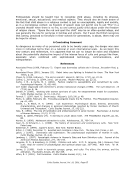
Cooper, J., Zanna, M. P., &Taves, P. A. (1978). Arousal as a necessary condition for
attitude change following induced compliance. Journal of Personality and Social
Psychology, 38, 1101-1106.
Darley, J. M. (1966). Fear and social comparison as determinants of conformity behavior.
Journal of Personality and Social Psychology, 4, 73-78.
David, B., &Turner, J. C. (1996). Studies in self-categorization and minority conversion: Is
being a member of the outgroup an advantage? British Journal of Social Psychology. 35,
179-199.
Deutsch, M., &Gerard, H. B. (1955). A study of normative and informational social influence
upon individual judgment. Journal of Abnormal and Social Psychology, 51, 629-636.
Dolinski, D., &Nawrat, R. (1998). ―Fear-then-relief‖ procedure for producing compliance:
Beware when the danger is over. Journal of Experimental Social Psychology, 34, 27-50.
Eagly, A. H., &Chaiken, S. (1993). The psychology of attitudes. New York: Harcourt, Brace,
Jovanovich.
Ellis, H. C., &Ashbrook, P. W. (1988). Resource allocation model of the effects of depressed
mood states on memory. In K. Fiedler &J. Forgas (Eds.), Affect, cognition and social
behavior (pp. 25-43). Toronto: Hogrefe.
Eysenck, M. W. (1977). Human memory: theory, research, and individual differences.
Elmsford, NY: Pergamon.
Fazio, R. H., &Cooper, J. (1983). Arousal in the dissonance process. In J. T. Cacioppo &R.
E. Petty (Eds.), Social psychophysiology: A sourcebook. (pp. 122-152). New York:
Guilford.
Festinger, L. (1954). A theory of social comparison processes. Human Relations, 7, 117-
140.
Festinger, L., Reicken, H., &Schachter, S. (1956). When prophesy fails. Minneapolis:
University of Minnesota Press.
Florian, V., &Mikulincer, M. (1997). Fear of death and judgement of social transgressions: A
multidimensional test of terror management theory. Journal of Personality and Social
Psychology, 24, 1104-1112.
Friedland, N., Keinan, G., &Tytiun, T. (1998). The effect of psychological stress and
tolerance of ambiguity on stereotypic attributions. Unpublished manuscript, Tel Aviv
University, Israel.
Galanter, M. (1989). Cults: Faith, healing, and coercion. New York: Oxford University Press.
Gerard, H. B., Blevans, S. A., &Malcom, T. (1964). Self evaluation and the evaluation of
choice alternatives. Journal of Personality, 32, 395-410.
Gleicher, F., &Petty, R. E. (1992). Expectations of reassurance influence the nature of fear-
stimulated attitude change. Journal of Experimental Social Psychology, 28, 86-100.
Gur, R. C., Gur, R. E., Skolnick, B. E., Resnick, S. M., Silver, F. I., Chawluk, J., Muenz, L.,
Obrist, W. D., &Reivich, M. (1988). Effects of task difficulty on regional cerebral blood
flow: Relationships with anxiety and performance. Psychophysiology, 24, 392-399.
Hardyck, J., &Braden, M. (1962). Prophesy fails again: A report of a failure to replicate.
Journal of Abnormal and Social Psychology, 65, 136-141.
Hassan, S. (1988). Combating cult mind control. Rochester, VT: Park Street Press.
Hearst, P. (1982). Every secret thing. Garden City, NY: Doubleday.
Hinkle, L. E., &Wolff, H. G. (1956). Communist interrogation and indoctrination. Archives of
Neurology and Psychiatry, 76, 115-174.
Hoffer, E. (1951). The true believer. New York: Mentor.
Isenberg, D. J. (1986). Group polarization: A critical review and meta-analysis. Journal of
Personality and Social Psychology, 50, 1141-1151.
Jamieson, D. W., &Zanna, M. P. (1989). Need for structure in attitude formation and
expression. In W.R. Pratkanis, S. J. Breckler, &A.G. Greenwald (Eds.), Attitude
structure and function. Hillsdale, NJ: Lawrence Erlbaum Associates, Inc.
Janis, I. L. (1972). Victims of groupthink. Boston: Houghton Mifflin.
Cooper, J., Zanna, M. P., &Taves, P. A. (1978). Arousal as a necessary condition for
attitude change following induced compliance. Journal of Personality and Social
Psychology, 38, 1101-1106.
Darley, J. M. (1966). Fear and social comparison as determinants of conformity behavior.
Journal of Personality and Social Psychology, 4, 73-78.
David, B., &Turner, J. C. (1996). Studies in self-categorization and minority conversion: Is
being a member of the outgroup an advantage? British Journal of Social Psychology. 35,
179-199.
Deutsch, M., &Gerard, H. B. (1955). A study of normative and informational social influence
upon individual judgment. Journal of Abnormal and Social Psychology, 51, 629-636.
Dolinski, D., &Nawrat, R. (1998). ―Fear-then-relief‖ procedure for producing compliance:
Beware when the danger is over. Journal of Experimental Social Psychology, 34, 27-50.
Eagly, A. H., &Chaiken, S. (1993). The psychology of attitudes. New York: Harcourt, Brace,
Jovanovich.
Ellis, H. C., &Ashbrook, P. W. (1988). Resource allocation model of the effects of depressed
mood states on memory. In K. Fiedler &J. Forgas (Eds.), Affect, cognition and social
behavior (pp. 25-43). Toronto: Hogrefe.
Eysenck, M. W. (1977). Human memory: theory, research, and individual differences.
Elmsford, NY: Pergamon.
Fazio, R. H., &Cooper, J. (1983). Arousal in the dissonance process. In J. T. Cacioppo &R.
E. Petty (Eds.), Social psychophysiology: A sourcebook. (pp. 122-152). New York:
Guilford.
Festinger, L. (1954). A theory of social comparison processes. Human Relations, 7, 117-
140.
Festinger, L., Reicken, H., &Schachter, S. (1956). When prophesy fails. Minneapolis:
University of Minnesota Press.
Florian, V., &Mikulincer, M. (1997). Fear of death and judgement of social transgressions: A
multidimensional test of terror management theory. Journal of Personality and Social
Psychology, 24, 1104-1112.
Friedland, N., Keinan, G., &Tytiun, T. (1998). The effect of psychological stress and
tolerance of ambiguity on stereotypic attributions. Unpublished manuscript, Tel Aviv
University, Israel.
Galanter, M. (1989). Cults: Faith, healing, and coercion. New York: Oxford University Press.
Gerard, H. B., Blevans, S. A., &Malcom, T. (1964). Self evaluation and the evaluation of
choice alternatives. Journal of Personality, 32, 395-410.
Gleicher, F., &Petty, R. E. (1992). Expectations of reassurance influence the nature of fear-
stimulated attitude change. Journal of Experimental Social Psychology, 28, 86-100.
Gur, R. C., Gur, R. E., Skolnick, B. E., Resnick, S. M., Silver, F. I., Chawluk, J., Muenz, L.,
Obrist, W. D., &Reivich, M. (1988). Effects of task difficulty on regional cerebral blood
flow: Relationships with anxiety and performance. Psychophysiology, 24, 392-399.
Hardyck, J., &Braden, M. (1962). Prophesy fails again: A report of a failure to replicate.
Journal of Abnormal and Social Psychology, 65, 136-141.
Hassan, S. (1988). Combating cult mind control. Rochester, VT: Park Street Press.
Hearst, P. (1982). Every secret thing. Garden City, NY: Doubleday.
Hinkle, L. E., &Wolff, H. G. (1956). Communist interrogation and indoctrination. Archives of
Neurology and Psychiatry, 76, 115-174.
Hoffer, E. (1951). The true believer. New York: Mentor.
Isenberg, D. J. (1986). Group polarization: A critical review and meta-analysis. Journal of
Personality and Social Psychology, 50, 1141-1151.
Jamieson, D. W., &Zanna, M. P. (1989). Need for structure in attitude formation and
expression. In W.R. Pratkanis, S. J. Breckler, &A.G. Greenwald (Eds.), Attitude
structure and function. Hillsdale, NJ: Lawrence Erlbaum Associates, Inc.
Janis, I. L. (1972). Victims of groupthink. Boston: Houghton Mifflin.