Cultic Studies Journal, Vol. 18, 2001, Page 48
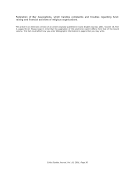
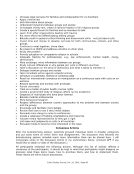
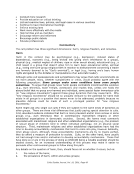
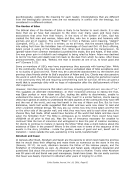
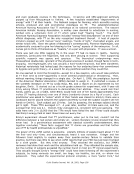
Increase legal recourse for families and compensation for ex-members
Apply criminal law
Get information about groups
Understand dynamics between groups and society
Investigate charity law create a national registry of all religious groups
Create a special forum for families and ex-members to talk
Learn from other organizations dealing with trauma
Put more effort into differentiating among groups
Educate youth in general critical thinking and discernment skills -not just about cults
Invest time and money to develop curricula for faith communities, schools, and other
groups.
Continue to meet together share ideas
Be present on WWW and address untruths on other sites
Study the problem
Provide education on comparative religion in schools
Adequate training for professionals e.g., law enforcement, mental health, clergy,
seminarians.
More exchange more information between our groups
Study cultural differences in why people join cults in different countries
Have a discussion on the price of democracy and what it takes to maintain it
Dialogue between groups and society
Take immediate action against unlawful activity
Introduce a systematic method of collecting data
Reach an international consensus on manipulation as a continuous scale with cults on an
extreme
Reward openness and honesty with privileges
Punish criminality
Treat as a matter of public health human rights
Create a government body of religious affairs run by academics
Diagnosis of individuals who have been harmed
Educate medical professionals
More behavioral research
Respect differences between country approaches to the problem and between society
and the groups
Encourage and facilitate more debate
Review libel laws to see if they inhibit debate
Persuade more clergy to come to conferences
Create a catalogue of helping organizations and resources
Educate media representatives so they get it right
List cases and judgments on cults in all countries
Persuade media to become more interested in the issue
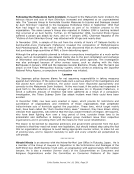
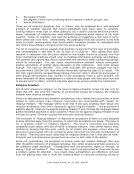
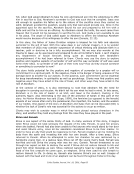
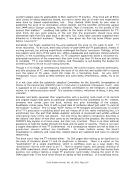
Consensus Actions
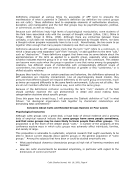
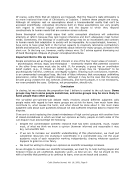
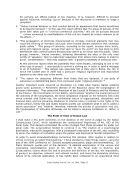
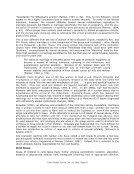
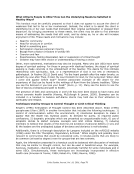
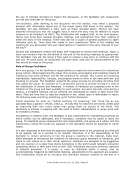
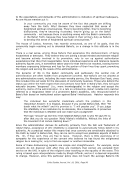
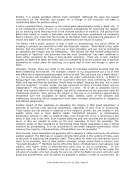
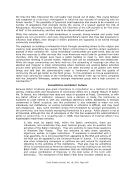
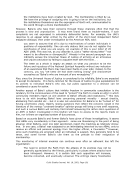
After the brainstorming session, panelists grouped individual items in broader categories
and put aside items on which there was disagreement. The discussion that followed the
brainstorming session included much more information than can be shared here. I will
incorporate some of the discussion points in my commentary below. (Contact AFF if you
would like to obtain a video of the discussion.)
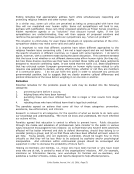
All participants endorsed the following actions. Although this list of actions reflects a
consensus of the participants, it should be kept in mind that participants might disagree on
precisely what these items mean, how to prioritize them, and how to implement them.
These issues are left to future discussions.
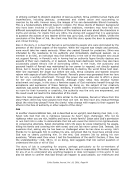
Increase legal recourse for families and compensation for ex-members
Apply criminal law
Get information about groups
Understand dynamics between groups and society
Investigate charity law create a national registry of all religious groups
Create a special forum for families and ex-members to talk
Learn from other organizations dealing with trauma
Put more effort into differentiating among groups
Educate youth in general critical thinking and discernment skills -not just about cults
Invest time and money to develop curricula for faith communities, schools, and other
groups.
Continue to meet together share ideas
Be present on WWW and address untruths on other sites
Study the problem
Provide education on comparative religion in schools
Adequate training for professionals e.g., law enforcement, mental health, clergy,
seminarians.
More exchange more information between our groups
Study cultural differences in why people join cults in different countries
Have a discussion on the price of democracy and what it takes to maintain it
Dialogue between groups and society
Take immediate action against unlawful activity
Introduce a systematic method of collecting data
Reach an international consensus on manipulation as a continuous scale with cults on an
extreme
Reward openness and honesty with privileges
Punish criminality
Treat as a matter of public health human rights
Create a government body of religious affairs run by academics
Diagnosis of individuals who have been harmed
Educate medical professionals
More behavioral research
Respect differences between country approaches to the problem and between society
and the groups
Encourage and facilitate more debate
Review libel laws to see if they inhibit debate
Persuade more clergy to come to conferences
Create a catalogue of helping organizations and resources
Educate media representatives so they get it right
List cases and judgments on cults in all countries
Persuade media to become more interested in the issue
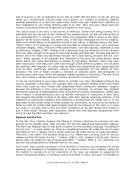
Consensus Actions
After the brainstorming session, panelists grouped individual items in broader categories
and put aside items on which there was disagreement. The discussion that followed the
brainstorming session included much more information than can be shared here. I will
incorporate some of the discussion points in my commentary below. (Contact AFF if you
would like to obtain a video of the discussion.)
All participants endorsed the following actions. Although this list of actions reflects a
consensus of the participants, it should be kept in mind that participants might disagree on
precisely what these items mean, how to prioritize them, and how to implement them.
These issues are left to future discussions.