Cultic Studies Journal, Vol. 18, 2001, Page 132
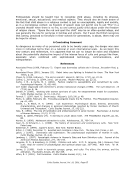
Contrary to this view, however, in these studies arousal only enhanced attitude change when
attributional cues suggested a dissonance-based interpretation for the arousal (e.g., Pittman,
1975). As a result, these data are more consistent with the view that the arousal produced in
these studies was a source of aversive motivation rather than a cause of capacity depletion. This
conclusion, however, does not rule out the possibility that capacity depletion (when it occurs)
facilitates dissonance-produced attitude change.
References
Abrams, D., &Hogg, M. A. (1988). Comments on the motivational status of self-esteem in
social identity and intergroup discrimination. European Journal of Social Psychology, 18,
317-334.
Allport, G. W. (1954). The nature of prejudice. Reading, MA: Addison Wesley.
Baron, R. S. (1986). Distraction conflict theory: Progress and problems. In L. Berkowitz
(Ed.), Advances in experimental social psychology (Vol.19, pp. 1-40). New York:
Academic.
Baron, R. S., Baron, P. H., &Miller, N. (1973). The relation between distraction and
persuasion. Psychological Bulletin, 80, 310-323.
Baron, R. S., Hoppe, S., Linneweh, B., &Rogers, D. (1996). Social corroboration and
opinion extremity. Journal of Experimental Social Psychology, 32, 537-560.
Baron, R. S., Inman, M., Kao, C. F., &Logan, H. (1992). Negative emotion and superficial
social Processing. Motivation and Emotion, 16, 323-346.
Baron, R. S., Kerr, N., &Miller, N. (1992). Group process, group decision, group action.
Buckingham, England: Open University Press.
Baron, R. S., Logan, H., Lilly, J., Inman, M., &Brennan, M. (1994). Negative emotion and
message processing. Journal of Experimental Social Psychology, 30, 181-201.
Baron, R. S., &Moore, D. L. (1987). The impact of exercise induced arousal on social
cognition. Social Cognition, 5, 166-177.
Baron, R. S., VanDello, J., &Brunsman, B. (1996). The forgotten variable in conformity
research: The impact of task importance on social influence. Journal of Personality and
Social Psychology, 71, 915-927.
Bettelhiem, B. (1953). Individual and mass behavior in extreme situations. Journal of
Abnormal and Social Psychology, 38, 417-452.
Bodenhausen, G. V. (1990). Stereotypes as judgmental heuristics: Evidence of circadian
variations in discrimination. Psychological Science, 5, 319-322.
Bodenhausen, G.V. (1993). Emotions, arousal and stereotypic judgements: A heuristic
model of affect and stereotyping. In D. M. Mackie &D. L. Hamilton (Eds.), Affect,
cognition and stereotyping (pp.13-37). New York: Academic.
Bodenhausen, G. V., Sheppard, L. A., &Kramer, G. P. (1994). Negative affect and social
judgment: The differential impact of anger and sadness. European Journal of Social
Psychology, 24, 45-62.
Chaiken, S. (1987). The heuristic model of persuasion. In M. P. Zanna, J. M. Olson, &C. P.
Herman (Eds.), The Ontario Symposium (Vol. 5, pp.3-39). Hillsdale, NJ: Lawrence
Erlbaum Associates, Inc.
Chaiken, S., Liberman, A., &Eagly, A. H. (1989). Heuristic and systematic processing within
and beyond the persuasion context. In J. S. Uleman &J. A. Bargh (Eds.), Unintended
thought (pp. 212-252). New York: Guilford.
Chaiken, S., &Maheswaran, D. (1994). Heuristic processing can bias systematic processing:
Effects of source credibility, argument ambiguity, and task importance on attitude
judgment. Journal of Personality &Social Psychology, 66, 460-473.
Cialdini, R. B. (1993). Influence: Science and practice (3rd ed.). New York: HarperCollins.
Cohen, S. (1978). Environmental load and the allocation of attention. In A. Baum, Singer,
J., &Valins, S. (Eds.), Advances in environmental psychology: Vol. 1. The urban
environment (pp. 1-30). Hillsdale, NJ: Lawrence Erlbaum Associates, Inc.
Contrary to this view, however, in these studies arousal only enhanced attitude change when
attributional cues suggested a dissonance-based interpretation for the arousal (e.g., Pittman,
1975). As a result, these data are more consistent with the view that the arousal produced in
these studies was a source of aversive motivation rather than a cause of capacity depletion. This
conclusion, however, does not rule out the possibility that capacity depletion (when it occurs)
facilitates dissonance-produced attitude change.
References
Abrams, D., &Hogg, M. A. (1988). Comments on the motivational status of self-esteem in
social identity and intergroup discrimination. European Journal of Social Psychology, 18,
317-334.
Allport, G. W. (1954). The nature of prejudice. Reading, MA: Addison Wesley.
Baron, R. S. (1986). Distraction conflict theory: Progress and problems. In L. Berkowitz
(Ed.), Advances in experimental social psychology (Vol.19, pp. 1-40). New York:
Academic.
Baron, R. S., Baron, P. H., &Miller, N. (1973). The relation between distraction and
persuasion. Psychological Bulletin, 80, 310-323.
Baron, R. S., Hoppe, S., Linneweh, B., &Rogers, D. (1996). Social corroboration and
opinion extremity. Journal of Experimental Social Psychology, 32, 537-560.
Baron, R. S., Inman, M., Kao, C. F., &Logan, H. (1992). Negative emotion and superficial
social Processing. Motivation and Emotion, 16, 323-346.
Baron, R. S., Kerr, N., &Miller, N. (1992). Group process, group decision, group action.
Buckingham, England: Open University Press.
Baron, R. S., Logan, H., Lilly, J., Inman, M., &Brennan, M. (1994). Negative emotion and
message processing. Journal of Experimental Social Psychology, 30, 181-201.
Baron, R. S., &Moore, D. L. (1987). The impact of exercise induced arousal on social
cognition. Social Cognition, 5, 166-177.
Baron, R. S., VanDello, J., &Brunsman, B. (1996). The forgotten variable in conformity
research: The impact of task importance on social influence. Journal of Personality and
Social Psychology, 71, 915-927.
Bettelhiem, B. (1953). Individual and mass behavior in extreme situations. Journal of
Abnormal and Social Psychology, 38, 417-452.
Bodenhausen, G. V. (1990). Stereotypes as judgmental heuristics: Evidence of circadian
variations in discrimination. Psychological Science, 5, 319-322.
Bodenhausen, G.V. (1993). Emotions, arousal and stereotypic judgements: A heuristic
model of affect and stereotyping. In D. M. Mackie &D. L. Hamilton (Eds.), Affect,
cognition and stereotyping (pp.13-37). New York: Academic.
Bodenhausen, G. V., Sheppard, L. A., &Kramer, G. P. (1994). Negative affect and social
judgment: The differential impact of anger and sadness. European Journal of Social
Psychology, 24, 45-62.
Chaiken, S. (1987). The heuristic model of persuasion. In M. P. Zanna, J. M. Olson, &C. P.
Herman (Eds.), The Ontario Symposium (Vol. 5, pp.3-39). Hillsdale, NJ: Lawrence
Erlbaum Associates, Inc.
Chaiken, S., Liberman, A., &Eagly, A. H. (1989). Heuristic and systematic processing within
and beyond the persuasion context. In J. S. Uleman &J. A. Bargh (Eds.), Unintended
thought (pp. 212-252). New York: Guilford.
Chaiken, S., &Maheswaran, D. (1994). Heuristic processing can bias systematic processing:
Effects of source credibility, argument ambiguity, and task importance on attitude
judgment. Journal of Personality &Social Psychology, 66, 460-473.
Cialdini, R. B. (1993). Influence: Science and practice (3rd ed.). New York: HarperCollins.
Cohen, S. (1978). Environmental load and the allocation of attention. In A. Baum, Singer,
J., &Valins, S. (Eds.), Advances in environmental psychology: Vol. 1. The urban
environment (pp. 1-30). Hillsdale, NJ: Lawrence Erlbaum Associates, Inc.