Cultic Studies Journal, Vol. 18, 2001, Page 25
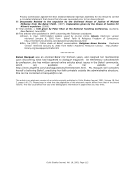
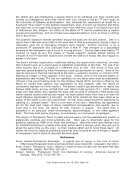
If a political system denies its citizens access to the judicial system when a group has
abused them, that system grants the abusing group an unacceptable immunity and violates
human rights and fundamental liberties. To deny citizens such rights in the name of
―religious freedom‖ for groups ignores, misrepresents, or even violates the individual
freedom of belief, conscience, and thought that is at the heart of political democracy.
**********
Denis Barthelemy was Secrétaire Général de la Mission Interministérielle de Lutte Contre
les Sectes (General Secretary of the Interministerial Commission for Combating Cults), a
French governmental agency under the Prime Minister, until September 2001. He is
currently Président de Chambre à la Cour d‘Appel de Versailles (roughly translated, ―second
judge on the appeals court of Versailles‖). This paper is based on a presentation given to
AFF‘s 1999 Annual Conference in St. Paul, Minnesota.
This article is an electronic version of an article originally published in Cultic Studies Journal, 2001, Volume 18,
pages 32-35. Please keep in mind that the pagination of this electronic reprint differs from that of the bound
volume. This fact could affect how you enter bibliographic information in papers that you may write.
If a political system denies its citizens access to the judicial system when a group has
abused them, that system grants the abusing group an unacceptable immunity and violates
human rights and fundamental liberties. To deny citizens such rights in the name of
―religious freedom‖ for groups ignores, misrepresents, or even violates the individual
freedom of belief, conscience, and thought that is at the heart of political democracy.
**********
Denis Barthelemy was Secrétaire Général de la Mission Interministérielle de Lutte Contre
les Sectes (General Secretary of the Interministerial Commission for Combating Cults), a
French governmental agency under the Prime Minister, until September 2001. He is
currently Président de Chambre à la Cour d‘Appel de Versailles (roughly translated, ―second
judge on the appeals court of Versailles‖). This paper is based on a presentation given to
AFF‘s 1999 Annual Conference in St. Paul, Minnesota.
This article is an electronic version of an article originally published in Cultic Studies Journal, 2001, Volume 18,
pages 32-35. Please keep in mind that the pagination of this electronic reprint differs from that of the bound
volume. This fact could affect how you enter bibliographic information in papers that you may write.