Cultic Studies Journal, Vol. 18, 2001, Page 125
Other investigators report that manipulations of time pressure (Jamieson &Zanna, 1989
Kruglanski &Freund, 1983), circadian rhythm incongruity (Bodenhausen, 1990), and
information overload (Pratto &Bargh, 1991) also exacerbate stereotypical judgments and
attributions. Such results bolster one‘s confidence that depleted attentional capacity
resulting from such manipulations increases our tendency to employ cognitive
simplifications such as stereotypes. When viewed in conjunction with the findings regarding
the impact of arousal, these time pressure and overload results are quite congruent with the
view that depletion of attentional capacity is an important contributing factor to recruits‘
acceptance of outgroup stereotypes during many forms of intense indoctrination in that both
attentional overload and emotional arousal are generally kept high in the initial stages of
intense indoctrination.
Explaining Why Arousal Impairs Cognition
The findings outlined here regarding the impact of emotional arousal on message
processing, conformity, and stereotyping raise basic questions about why superficial
processing occurs with greater likelihood in emotional conditions. One view is that emotional
arousal produces physiological reactions that diminish our actual capacity to process inputs.
Thus, Walley and Weiden (1973) argued that strong sympathetic activation accompanying
most arousing emotional provocations increases the strength of recurrent lateral inhibition
in the cortex. This form of inhibition refers to cases in which excitation in one area of the
cortex inhibits excitation in nearby areas, thereby producing short-term decrements in
attentional capacity (cf. Eysenck, 1977 Sargant, 1957). This involuntary reaction should
occur whenever there is vigorous activity in the sympathetic nervous system. A second
physiological perspective stems from Gur et al.‘s (1988) report that strong negative
emotions reduce cerebral blood flow, thereby disrupting cortical activity (c.f. Bodenhausen,
1993). Whether reduced capacity is thought to be caused by reduced blood flow or
reciprocal inhibition, such physiological reactions should be automatic and uncontrollable.
An alternative view is that arousal impairs social processing because it triggers such things
as appraisal, attribution, and coping (cf. Lazarus, 1981 Schachter, 1964). Given that such
processes are likely to be at least partially under conscious control, this perspective
suggests that stressful arousal reduces the capacity for tasks other than appraisal and
coping because of our decisions and priorities regarding attention allocation (Ellis &
Ashbrook, 1988 Kahneman, 1973). This attention allocation view (Baron, Inman, et al.,
1972) is analogous to a motivational view of superficial processing under fear that is,
superficial processing occurs because we have decided that other cognitive functions
(appraisal or coping) merit higher priority than message processing. This low motivation
view is plausible in most of the message-processing studies discussed previously the
message topic has little to do with the source of the arousal or emotion. Bodenhausen
(1993) labeled such manipulations as cases of incidental affect. In contrast, the
physiological perspective is analogous to a low ability explanation aroused people process
less input because they have less overall capacity
The available data suggest support for each of these views. Consistent with the attention
allocation view, Baron, Logan, Lilly, Inman and Brennan (1994) manipulated fear among
dental patients, as did Baron, Inman, et al. (1992), but used a message that was relevant
to the topic of dental hygiene (the benefits and dangers of fluoridated public water). This is
analogous to what Bodenhausen (1993) referred to as a manipulation of integral affect.
Here attention to the message offered patients information that may allow them to avoid
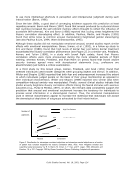
additional future dental treatment. As a result, we would expect fearful patients to have
greater interest and involvement in the topic than low-fear patients. In accordance with the
attention allocation perspective, fearful patients in this study showed more evidence of
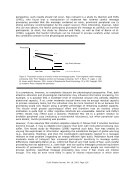
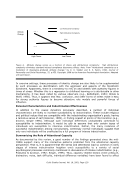
central message processing (a stronger message quality effect) than low-fear patients (see
Figure 3). If stress simply ―makes you stupid (temporarily),‖ as argued by the physiological
Other investigators report that manipulations of time pressure (Jamieson &Zanna, 1989
Kruglanski &Freund, 1983), circadian rhythm incongruity (Bodenhausen, 1990), and
information overload (Pratto &Bargh, 1991) also exacerbate stereotypical judgments and
attributions. Such results bolster one‘s confidence that depleted attentional capacity
resulting from such manipulations increases our tendency to employ cognitive
simplifications such as stereotypes. When viewed in conjunction with the findings regarding
the impact of arousal, these time pressure and overload results are quite congruent with the
view that depletion of attentional capacity is an important contributing factor to recruits‘
acceptance of outgroup stereotypes during many forms of intense indoctrination in that both
attentional overload and emotional arousal are generally kept high in the initial stages of
intense indoctrination.
Explaining Why Arousal Impairs Cognition
The findings outlined here regarding the impact of emotional arousal on message
processing, conformity, and stereotyping raise basic questions about why superficial
processing occurs with greater likelihood in emotional conditions. One view is that emotional
arousal produces physiological reactions that diminish our actual capacity to process inputs.
Thus, Walley and Weiden (1973) argued that strong sympathetic activation accompanying
most arousing emotional provocations increases the strength of recurrent lateral inhibition
in the cortex. This form of inhibition refers to cases in which excitation in one area of the
cortex inhibits excitation in nearby areas, thereby producing short-term decrements in
attentional capacity (cf. Eysenck, 1977 Sargant, 1957). This involuntary reaction should
occur whenever there is vigorous activity in the sympathetic nervous system. A second
physiological perspective stems from Gur et al.‘s (1988) report that strong negative
emotions reduce cerebral blood flow, thereby disrupting cortical activity (c.f. Bodenhausen,
1993). Whether reduced capacity is thought to be caused by reduced blood flow or
reciprocal inhibition, such physiological reactions should be automatic and uncontrollable.
An alternative view is that arousal impairs social processing because it triggers such things
as appraisal, attribution, and coping (cf. Lazarus, 1981 Schachter, 1964). Given that such
processes are likely to be at least partially under conscious control, this perspective
suggests that stressful arousal reduces the capacity for tasks other than appraisal and
coping because of our decisions and priorities regarding attention allocation (Ellis &
Ashbrook, 1988 Kahneman, 1973). This attention allocation view (Baron, Inman, et al.,
1972) is analogous to a motivational view of superficial processing under fear that is,
superficial processing occurs because we have decided that other cognitive functions
(appraisal or coping) merit higher priority than message processing. This low motivation
view is plausible in most of the message-processing studies discussed previously the
message topic has little to do with the source of the arousal or emotion. Bodenhausen
(1993) labeled such manipulations as cases of incidental affect. In contrast, the
physiological perspective is analogous to a low ability explanation aroused people process
less input because they have less overall capacity
The available data suggest support for each of these views. Consistent with the attention
allocation view, Baron, Logan, Lilly, Inman and Brennan (1994) manipulated fear among
dental patients, as did Baron, Inman, et al. (1992), but used a message that was relevant
to the topic of dental hygiene (the benefits and dangers of fluoridated public water). This is
analogous to what Bodenhausen (1993) referred to as a manipulation of integral affect.
Here attention to the message offered patients information that may allow them to avoid
additional future dental treatment. As a result, we would expect fearful patients to have
greater interest and involvement in the topic than low-fear patients. In accordance with the
attention allocation perspective, fearful patients in this study showed more evidence of
central message processing (a stronger message quality effect) than low-fear patients (see
Figure 3). If stress simply ―makes you stupid (temporarily),‖ as argued by the physiological