Cultic Studies Journal, Vol. 18, 2001, Page 144
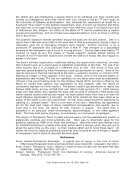
Deception by Design: The Mormon Story. Allen F. Harrod. Morris Publishing,
Kearney, NE 68847. 1998, paperback with illustrations. 326 pages. Listed at
$12.95.
Mr. Harrod is clear about his motives for writing this book. He wants to refute Mormon
teachings and Joseph Smith as prophet. Secondly, he wants to evangelize and point out the
biblical errors in their unique theology, and, thirdly, he wants to equip his readers with tools
to counter Mormon propaganda. He is also clear about his Christian evangelical partiality.
This is especially apparent in Part Five. Readers, other than fundamental or evangelical
Christians, might write off this book as just another biased anti-Mormon diatribe. This is
unfortunate because the author presents valuable information. Even though his evangelical
position may be uncomfortable to the non-evangelical reader, this book deserves
consideration. Harrod‘s sensitivity to the Mormon people is commendable, and he desires all
readers to be educated, charitable, and tolerant, thus refraining from any emotional or
irrational hostility toward the Mormon people.
The title, Deception by Design, succinctly captures the theme of the book and the reality of
Mormon history. Abundant documentation corroborates the author‘s thesis. The Mormons‘
own documents map out the ―deliberateness‖ in the creation of the Mormon organization,
especially the origins of the three Mormon scriptures. Their religious practices, their
isolation and insulation from other communities, and an effective public relations campaign
have made Mormonism cryptic to most Americans. It also masks the real and devastating
control and manipulation, which the leadership applies to their recorded history (the
foundations of the group, their original theology, and their early 1800‘s world view of native
American origin, etc.) as well as their people (their blood atonement practice, the
mandatory missionary (recruiting). Mormon records do seem to reveal a history of
―deception by design.‖
Mr. Harrod has done his homework. The body of facts on Mormon doctrine and history
makes the book valuable to the casual reader. He uses Mormon and non-Mormon historians
to support his thesis, and this contributes to the author‘s credibility. The book is easy
reading, providing the reader with a clear picture and understanding of Mormonism. The
bibliography is excellent.
Mr. Harrod chronicles Joseph Smith‘s early family history, especially the influence of religion
and spirituality (i.e., his mother‘s visions and superstitions) and the early 1800 social and
cultural customs (i.e., common treasure seeking customs and the book View of the
Hebrews). He concludes, ―It matters little to many that the authority for Mormonism arose
from such a questionable beginning.‖ Harrod also describes: (1) Joseph Smith‘s personal
behaviors, (i.e., his drinking, his ownership of a bar, being a Mason, a general in his own
army, and his candidacy for president) (2) the conflicts and tensions that occurred in all
cities Mormons moved into (3) the struggle for leadership after the death of Joseph Smith
and the proliferation of visions mimicking those of Smith – including angels appearing to
every want-to-be-leader (4) the controlling and manipulative design ―revelations‖ play in
Mormon culture (5) the actual purpose and goals of Mormon theocracy and (6) the
creative imagination within their scriptures (i.e., the Book of Abraham deception and cover
up, the lack of supporting archeological proof for the Book of Mormon) and how they have
been altered over the years. These, and many more facts of the Mormon history, make this
book engaging reading.
Mr. Harrod classifies Mormonism as a cult. I tend to agree, but for different reasons. Mr.
Harrod lists six standards by which he defines a cult, all based on Christian theology and
scriptural interpretations. A belief system, even one contrary to established tenets, in itself,
does not necessarily constitute a cult in my opinion. Belief in Mormon theology (non-biblical
Christian as it is) does not make one a cultist. Mormonism becomes cultic by its years of
Deception by Design: The Mormon Story. Allen F. Harrod. Morris Publishing,
Kearney, NE 68847. 1998, paperback with illustrations. 326 pages. Listed at
$12.95.
Mr. Harrod is clear about his motives for writing this book. He wants to refute Mormon
teachings and Joseph Smith as prophet. Secondly, he wants to evangelize and point out the
biblical errors in their unique theology, and, thirdly, he wants to equip his readers with tools
to counter Mormon propaganda. He is also clear about his Christian evangelical partiality.
This is especially apparent in Part Five. Readers, other than fundamental or evangelical
Christians, might write off this book as just another biased anti-Mormon diatribe. This is
unfortunate because the author presents valuable information. Even though his evangelical
position may be uncomfortable to the non-evangelical reader, this book deserves
consideration. Harrod‘s sensitivity to the Mormon people is commendable, and he desires all
readers to be educated, charitable, and tolerant, thus refraining from any emotional or
irrational hostility toward the Mormon people.
The title, Deception by Design, succinctly captures the theme of the book and the reality of
Mormon history. Abundant documentation corroborates the author‘s thesis. The Mormons‘
own documents map out the ―deliberateness‖ in the creation of the Mormon organization,
especially the origins of the three Mormon scriptures. Their religious practices, their
isolation and insulation from other communities, and an effective public relations campaign
have made Mormonism cryptic to most Americans. It also masks the real and devastating
control and manipulation, which the leadership applies to their recorded history (the
foundations of the group, their original theology, and their early 1800‘s world view of native
American origin, etc.) as well as their people (their blood atonement practice, the
mandatory missionary (recruiting). Mormon records do seem to reveal a history of
―deception by design.‖
Mr. Harrod has done his homework. The body of facts on Mormon doctrine and history
makes the book valuable to the casual reader. He uses Mormon and non-Mormon historians
to support his thesis, and this contributes to the author‘s credibility. The book is easy
reading, providing the reader with a clear picture and understanding of Mormonism. The
bibliography is excellent.
Mr. Harrod chronicles Joseph Smith‘s early family history, especially the influence of religion
and spirituality (i.e., his mother‘s visions and superstitions) and the early 1800 social and
cultural customs (i.e., common treasure seeking customs and the book View of the
Hebrews). He concludes, ―It matters little to many that the authority for Mormonism arose
from such a questionable beginning.‖ Harrod also describes: (1) Joseph Smith‘s personal
behaviors, (i.e., his drinking, his ownership of a bar, being a Mason, a general in his own
army, and his candidacy for president) (2) the conflicts and tensions that occurred in all
cities Mormons moved into (3) the struggle for leadership after the death of Joseph Smith
and the proliferation of visions mimicking those of Smith – including angels appearing to
every want-to-be-leader (4) the controlling and manipulative design ―revelations‖ play in
Mormon culture (5) the actual purpose and goals of Mormon theocracy and (6) the
creative imagination within their scriptures (i.e., the Book of Abraham deception and cover
up, the lack of supporting archeological proof for the Book of Mormon) and how they have
been altered over the years. These, and many more facts of the Mormon history, make this
book engaging reading.
Mr. Harrod classifies Mormonism as a cult. I tend to agree, but for different reasons. Mr.
Harrod lists six standards by which he defines a cult, all based on Christian theology and
scriptural interpretations. A belief system, even one contrary to established tenets, in itself,
does not necessarily constitute a cult in my opinion. Belief in Mormon theology (non-biblical
Christian as it is) does not make one a cultist. Mormonism becomes cultic by its years of