Cultic Studies Journal, Vol. 18, 2001, Page 128
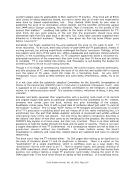
feeling personally responsible for actions that were, in truth, provoked by the manipulative
aspects of the setting. This is particularly likely in settings in which the pressure results
from psychological and social forces rather than material or physical forces and in which
individuals are confused, aroused, or debilitated by various stressors. It is interesting to
note that both Cooper et al. (1978) and Fazio and Martin (cited in Fazio &Cooper, 1983)
reported data that support these contentions. In these induced compliance dissonance
studies, individuals showed evidence of behavior-consistent attitude change even under
low-choice conditions provided that they had been aroused by either drugs or exercise. One
explanation for such effects is that the arousal in these studies diminished the ability of low-
choice individuals to correctly attribute their behavior to situational causes, thereby leaving
them with the need to justify their attitude-discrepant behavior.
Existential pressure and identity change. A number of the indoctrination procedures
discussed here heighten guilt, lower self-esteem, and generally create confusion about
appropriate and viable self-conceptions. It is likely that these states will facilitate changes in
identity. A person undergoing intense indoctrination is likely to confront aspects of his or her
actions and values that are embarrassing or inconsistent with his or her idealizations about
the self (especially given the frequent occurrence of self-criticism and confession). Indeed,
recent research indicates that under certain conditions, individuals can be led to confess and
to remember reprehensible behaviors that, in fact, they never committed (Kassin, 1997). In
short, during intense indoctrination, self-conception should be relatively labile because of
these alterations in self-esteem. As a result, changes in identity (e.g., from student to
revolutionary or from businessman to social-equality pioneer) and corresponding alterations
in values or their importance are therefore more likely (Ofshe &Singer, 1986). Such
changes seem particularly likely when the indoctrinating group offers recruits a messianic
cause. As social critic Eric Hoffer (1951) pointed out, by attaching themselves to a
transcendent cause, a true believer can feel special, dedicated, and selfless, thereby
remedying the very feelings of insignificance and low self-esteem that are elevated in the
earlier stages of the indoctrination process. This represents an important and meaningful
set of psychological benefits especially to those who were wrestling with such existential
concerns even before indoctrination (see Zimbardo, 1997). In accord with this view,
Galanter (1989) pointed out that those who deviate from cult norms often report increases
in neurotic anxiety (see Pool et al., 1998, for experimental verification of this observation).
Indeed, these feelings of purpose and certainty are aspects of cult experience that are
missed most frequently by ex-cult members (Hassan, 1988 Singer, 1995).
feeling personally responsible for actions that were, in truth, provoked by the manipulative
aspects of the setting. This is particularly likely in settings in which the pressure results
from psychological and social forces rather than material or physical forces and in which
individuals are confused, aroused, or debilitated by various stressors. It is interesting to
note that both Cooper et al. (1978) and Fazio and Martin (cited in Fazio &Cooper, 1983)
reported data that support these contentions. In these induced compliance dissonance
studies, individuals showed evidence of behavior-consistent attitude change even under
low-choice conditions provided that they had been aroused by either drugs or exercise. One
explanation for such effects is that the arousal in these studies diminished the ability of low-
choice individuals to correctly attribute their behavior to situational causes, thereby leaving
them with the need to justify their attitude-discrepant behavior.
Existential pressure and identity change. A number of the indoctrination procedures
discussed here heighten guilt, lower self-esteem, and generally create confusion about
appropriate and viable self-conceptions. It is likely that these states will facilitate changes in
identity. A person undergoing intense indoctrination is likely to confront aspects of his or her
actions and values that are embarrassing or inconsistent with his or her idealizations about
the self (especially given the frequent occurrence of self-criticism and confession). Indeed,
recent research indicates that under certain conditions, individuals can be led to confess and
to remember reprehensible behaviors that, in fact, they never committed (Kassin, 1997). In
short, during intense indoctrination, self-conception should be relatively labile because of
these alterations in self-esteem. As a result, changes in identity (e.g., from student to
revolutionary or from businessman to social-equality pioneer) and corresponding alterations
in values or their importance are therefore more likely (Ofshe &Singer, 1986). Such
changes seem particularly likely when the indoctrinating group offers recruits a messianic
cause. As social critic Eric Hoffer (1951) pointed out, by attaching themselves to a
transcendent cause, a true believer can feel special, dedicated, and selfless, thereby
remedying the very feelings of insignificance and low self-esteem that are elevated in the
earlier stages of the indoctrination process. This represents an important and meaningful
set of psychological benefits especially to those who were wrestling with such existential
concerns even before indoctrination (see Zimbardo, 1997). In accord with this view,
Galanter (1989) pointed out that those who deviate from cult norms often report increases
in neurotic anxiety (see Pool et al., 1998, for experimental verification of this observation).
Indeed, these feelings of purpose and certainty are aspects of cult experience that are
missed most frequently by ex-cult members (Hassan, 1988 Singer, 1995).