Cultic Studies Journal, Vol. 18, 2001, Page 44
Internet home page for defamation. This lawsuit was not admitted to the court on 24 March
2000.
Life Space, Inc., an umbrella organization of the larger religious organization mentioned
above, was ordered to pay a sum of 14 million yen in compensation for damages resulting
from an accident that led to death during a training session at its self-enlightenment
seminar. The court ruled that the organization was responsible by default based on its
obligation to provide safe treatment. (Kyoto District Court judgment of 27 November 1998).
Kofuku no Kagaku. Kofuku no Kagaku has filed many lawsuits against many media
organizations, in particular Kodansha (a large publishing house in Japan) that has criticized
the leader of Kofuku no Kagaku Ohkawa Ryuho and the organization itself. In protest of
Kodansha, Kofuku no Kagaku staged a demonstration led by popular actresses and writers
who are believers of the religion and barraged the publishing company with faxes. These
actions disrupted the business of Kodansha and developed into a social problem. Because
some of Kofuku no Kagaku‘s actions against Kodansha were excessive, in a lawsuit filed by
Kodansha against the religious organization the court ordered Kofuku no Kagaku to
compensate the publishing company for damages. (Tokyo District Court judgment of 20
December 1986.)
Also, as a legal counter measure, Kofuku no Kagaku sued former members who publicly
criticized against the group and concerned citizens who opposed the organization‘s
construction of new facilities. These lawsuits by far outnumber those filed by any other
organization.
Former believers of Kofuku no Kagaku who were compelled to donate about 230,000,000
yen over a very short period of time sued the organization for damages. In response,
Kofuku no Kagaku and its main headquarters sued those plaintiffs and their lawyers for
defamation, seeking 800,000,000 yen in damages.
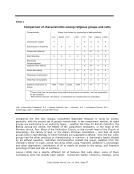
Soka Gakkai. Soka Gakkai has been at organizational opposition with the present
mainstream Buddhist religion in Japan called Nichiren Seishu. As a result of this discord,
Soka Gakkai has filed more than 100 suits against Nichiren Seishu. The organizations have
mutually sued each other for defamation many times. Alleging defamation, Soka Gakkai
has also recurrently sued the media for criticizing the organization in their reporting.
Religious Organizations in General. As noted in the above examples, when religious
organizations are criticized by news coverage or other social activity or are sued, in many
cases they retaliate aggressively. Given this situation, the work of media organizations,
journalists, freedom of speech activists, lawyers, and others need to proceed seriously and
with due consideration.
Perhaps a religious organization‘s response to criticism from lay society is an indication of its
real personality. Two such indicators might be whether they accept the criticism and try to
change their conduct or activities and/or whether they are big-hearted and flexible enough
to establish opportunities for change or to at least provide detailed, respectful responses to
the criticisms. These indicators may be useful in evaluating religious organizations in the
future.
Counseling Believers After They Leave a Religious Organization
Beginning in the 1970‘s in Japan, a number of counselors (mainly a small group of
Protestant ministers who quit cults) began to help former members of the Unification
Church. In the late 1980‘s in response to social criticism against spiritual sales, such
counseling activities spread to areas throughout Japan, largely due to the organization of a
Counter Measure Conference established essentially by Christian ministers. Due to their
background and experience in providing counseling, such groups, although working with
Internet home page for defamation. This lawsuit was not admitted to the court on 24 March
2000.
Life Space, Inc., an umbrella organization of the larger religious organization mentioned
above, was ordered to pay a sum of 14 million yen in compensation for damages resulting
from an accident that led to death during a training session at its self-enlightenment
seminar. The court ruled that the organization was responsible by default based on its
obligation to provide safe treatment. (Kyoto District Court judgment of 27 November 1998).
Kofuku no Kagaku. Kofuku no Kagaku has filed many lawsuits against many media
organizations, in particular Kodansha (a large publishing house in Japan) that has criticized
the leader of Kofuku no Kagaku Ohkawa Ryuho and the organization itself. In protest of
Kodansha, Kofuku no Kagaku staged a demonstration led by popular actresses and writers
who are believers of the religion and barraged the publishing company with faxes. These
actions disrupted the business of Kodansha and developed into a social problem. Because
some of Kofuku no Kagaku‘s actions against Kodansha were excessive, in a lawsuit filed by
Kodansha against the religious organization the court ordered Kofuku no Kagaku to
compensate the publishing company for damages. (Tokyo District Court judgment of 20
December 1986.)
Also, as a legal counter measure, Kofuku no Kagaku sued former members who publicly
criticized against the group and concerned citizens who opposed the organization‘s
construction of new facilities. These lawsuits by far outnumber those filed by any other
organization.
Former believers of Kofuku no Kagaku who were compelled to donate about 230,000,000
yen over a very short period of time sued the organization for damages. In response,
Kofuku no Kagaku and its main headquarters sued those plaintiffs and their lawyers for
defamation, seeking 800,000,000 yen in damages.
Soka Gakkai. Soka Gakkai has been at organizational opposition with the present
mainstream Buddhist religion in Japan called Nichiren Seishu. As a result of this discord,
Soka Gakkai has filed more than 100 suits against Nichiren Seishu. The organizations have
mutually sued each other for defamation many times. Alleging defamation, Soka Gakkai
has also recurrently sued the media for criticizing the organization in their reporting.
Religious Organizations in General. As noted in the above examples, when religious
organizations are criticized by news coverage or other social activity or are sued, in many
cases they retaliate aggressively. Given this situation, the work of media organizations,
journalists, freedom of speech activists, lawyers, and others need to proceed seriously and
with due consideration.
Perhaps a religious organization‘s response to criticism from lay society is an indication of its
real personality. Two such indicators might be whether they accept the criticism and try to
change their conduct or activities and/or whether they are big-hearted and flexible enough
to establish opportunities for change or to at least provide detailed, respectful responses to
the criticisms. These indicators may be useful in evaluating religious organizations in the
future.
Counseling Believers After They Leave a Religious Organization
Beginning in the 1970‘s in Japan, a number of counselors (mainly a small group of
Protestant ministers who quit cults) began to help former members of the Unification
Church. In the late 1980‘s in response to social criticism against spiritual sales, such
counseling activities spread to areas throughout Japan, largely due to the organization of a
Counter Measure Conference established essentially by Christian ministers. Due to their
background and experience in providing counseling, such groups, although working with