Cultic Studies Journal, Vol. 18, 2001, Page 124
to use more intellectual shortcuts in perception and interpersonal judgment during such
indoctrination (Baron, 1986).
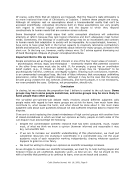
Since the late 1980s, a good deal of converging evidence supports this prediction at least
regarding arousal. Baron and Moore (1987) found that arousal produced by a physical stress
test (cycling) increased the self-referent memory effect (thought to reflect the influence of
accessible self-schemas). Kim and Baron (1988) reported that cycling stress heightened the
illusory correlation stereotyping effect. In addition, Paulhus, Martin, and Murphy (1992)
found that white noise (a common arousal manipulation) heightened gender stereotyping
(see also Paulhus &Lim, 1994 Wann &Branscombe, 1995).
Although these studies did not manipulate emotional arousal, several studies report similar
effects with emotional manipulations. Baron, Inman, et al. (1992), in a follow-up study to
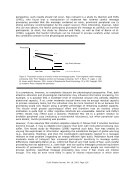
Kim and Baron (1988), found that high levels of dental fear just before dental treatment
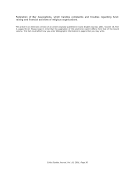
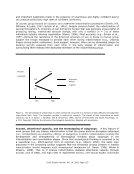
exacerbated the illusory correlation phenomenon (see Figure 2). In a similar vein, Friedland,
Keinan, and Tytiun (1998), in a study with Israeli flight cadets, found that illusory
correlation effects were more pronounced during the more stressful periods of flight
training, whereas Keinan, Friedland, and Evan-Haim (in press) found that Israeli airport
security trainees agreed more with stereotypical statements (e.g., professors are
absentminded) just before a critical examination.
In a third study by this Israeli group, Keinan, Friedland, and Arad (1991) found that
stressed individuals used broader categories when grouping objects and stimuli. In addition,
Wilder and Shapiro (1988) reported that both fear and embarrassment increased the extent
to which individuals judged people on the basis of their group membership as opposed to
their individual characteristics. Wilder and Shapiro (1989) reported very similar data when
competition-induced anxiety was manipulated. Finally, several clinical studies indicate that
phobic anxiety heightens illusory correlation effects linking the feared stimulus with aversive
outcomes (e.g., Purdy &Mineka, 1997). In short, the relevant data consistently support the
prediction that arousal and emotional excitement increase the tendency for individuals to
process social information in a stereotypical manner. Thus, the emotional manipulations
used in intense indoctrination appear to increase the likelihood that individuals will accept
the stereotypical depictions of outgroups advocated by that indoctrination.
Neutral
Traits
Consistent
Traits
High Fear Patients
Low Fear Patients 3.53
1.95
1.37
Low Fear
High Fear
Number of
adjectives
recalled
2.29
Figure 2. Recollection for stereotype-consistent adjectives and stereotype-neutral adjectives as a function
of patient fear: Emotion heightens the illusory correlation effect. Note. From “Negative emotion and
superficial social processing,” by R. S. Baron, M. Inman, C. F. Kao, and H. Logan, 1992, Motivation and
Emotion, 16, p. 331. Copyright 1992 by Kluwer Academic Plenum Publishing. Adapted with permission.
to use more intellectual shortcuts in perception and interpersonal judgment during such
indoctrination (Baron, 1986).
Since the late 1980s, a good deal of converging evidence supports this prediction at least
regarding arousal. Baron and Moore (1987) found that arousal produced by a physical stress
test (cycling) increased the self-referent memory effect (thought to reflect the influence of
accessible self-schemas). Kim and Baron (1988) reported that cycling stress heightened the
illusory correlation stereotyping effect. In addition, Paulhus, Martin, and Murphy (1992)
found that white noise (a common arousal manipulation) heightened gender stereotyping
(see also Paulhus &Lim, 1994 Wann &Branscombe, 1995).
Although these studies did not manipulate emotional arousal, several studies report similar
effects with emotional manipulations. Baron, Inman, et al. (1992), in a follow-up study to
Kim and Baron (1988), found that high levels of dental fear just before dental treatment
exacerbated the illusory correlation phenomenon (see Figure 2). In a similar vein, Friedland,
Keinan, and Tytiun (1998), in a study with Israeli flight cadets, found that illusory
correlation effects were more pronounced during the more stressful periods of flight
training, whereas Keinan, Friedland, and Evan-Haim (in press) found that Israeli airport
security trainees agreed more with stereotypical statements (e.g., professors are
absentminded) just before a critical examination.
In a third study by this Israeli group, Keinan, Friedland, and Arad (1991) found that
stressed individuals used broader categories when grouping objects and stimuli. In addition,
Wilder and Shapiro (1988) reported that both fear and embarrassment increased the extent
to which individuals judged people on the basis of their group membership as opposed to
their individual characteristics. Wilder and Shapiro (1989) reported very similar data when
competition-induced anxiety was manipulated. Finally, several clinical studies indicate that
phobic anxiety heightens illusory correlation effects linking the feared stimulus with aversive
outcomes (e.g., Purdy &Mineka, 1997). In short, the relevant data consistently support the
prediction that arousal and emotional excitement increase the tendency for individuals to
process social information in a stereotypical manner. Thus, the emotional manipulations
used in intense indoctrination appear to increase the likelihood that individuals will accept
the stereotypical depictions of outgroups advocated by that indoctrination.
Neutral
Traits
Consistent
Traits
High Fear Patients
Low Fear Patients 3.53
1.95
1.37
Low Fear
High Fear
Number of
adjectives
recalled
2.29
Figure 2. Recollection for stereotype-consistent adjectives and stereotype-neutral adjectives as a function
of patient fear: Emotion heightens the illusory correlation effect. Note. From “Negative emotion and
superficial social processing,” by R. S. Baron, M. Inman, C. F. Kao, and H. Logan, 1992, Motivation and
Emotion, 16, p. 331. Copyright 1992 by Kluwer Academic Plenum Publishing. Adapted with permission.