Cultic Studies Journal, Vol. 18, 2001, Page 22
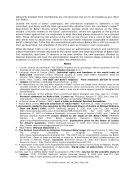
2. CESNUR, Enciclopedia delle Religioni in Italia, Editrice Elle Di Ci, Leumann (Torino), 2001
3. CESNUR is an international network of associations specialized in NRMs, and it is completely
independent from any religious group, movement, body, or association.
4. Rapporto della Direzione Centrale Polizia di Prevenzione -Dipartimento Della Pubblica
Sicurezza -Ministero dell‘Interno: "Alcune Considerazioni a proposito di 'Sette religiose e
Nuovi Movimenti Magici’, 1998.
5. Ibid, p.10 -15
6. Ibid, p.10 -15
7. This document is at URL http://www.grisroma.it/inglese/Questions_Tdg.htm
8. Decision of April 9th, 1981, n. 96, published in the Gazzetta Ufficiale n. 158 of June 8th, 1981
9. Mario Di Fiorino, editor, La persuasione socialmente accettata, il plagio e il lavaggio del
cervello, vol.1, Psichiatria e Territorio, Forte dei Marmi, 1990, p.31-32
10. Ibid. p.17
11. Ibid. p. 24
12. Ibid. p. 40
13. Cfr. Secretariat for the Union of Christians- Secretariat for non –Christians -Secretariat for
non – Believers -Pontifical Council for Culture, Interim Report The Phenomenon of Cults or
New Religious Movements, May 7, 1986, n. 2.2.
14. Cfr. Dr. Benjamin Zablocki, The Blacklisting of a Concept: The Strange History of the
Brainwashing Conjecture in the Sociology of Religion, Nova Religio: The Journal of Alternative
and Emergent Religions, 1(1), 96-121.
15. Cfr. Secretariat for the Union of Christians- Secretariat for non –Christians -Secretariat for
non – Believers -Pontifical Council for Culture, Interim Report The Phenomenon of Cults or
New Religious Movements, May 7, 1986, n. 2.2.
16. Secretariat for Ecumenism and Dialogue of the CEI, Pastoral memorandum The Church’s
pastoral commitment in facing new religious movements and cults. May 30, 1993, n. 12.
17. Ibid.
18. Ibid. n. 13.
19. Secretariat for the Union of Christians- Secretariat for non –Christians -Secretariat for non –
Believers -Pontifical Council for Culture, Ibid. n. 1.1.
20. Cf. Vatican II Ecumenical Council, Declaration on religious freedom Dignitatis Humanae, n. 2-
8.
21. In Italy there is also another Association named A.R.I.S.- Veneto (Association for Research
and Information about Sects [Cults]). It is a no-profit and non-religious association.
22. Michael Langone, The Two “Camps” of Cultic Studies: Time for a Dialogue, Cults &Society,
Vol. 1, N. 1, 2001.
**********
Dr. Raffaella Di Marzio is a member of GRIS Rome. She set up a support and counseling
centre in Rome for all those troubled, directly or indirectly, by experiences associated with
belonging to a cult. She has published articles on several fringe Catholic movements, and is
a contributor to CESNUR‘s Encyclopedia of Religions in Italy. Dr. Di Marzio has two degrees,
one in Psychology (University ―La Sapienza‖ of Rome, 1981) and one in Educational Science
(Pontifical Salesian University, 1981). She also has the Superior Diploma in Religious
Science from the Institute for Religious Studies Ecclesia Mater, linked to the faculty of
theology of Pontifical Lateran University. She has been a teacher in a Senior High School in
Rome since 1981.
This article is an electronic version of an article originally published in Cultic Studies Journal, 2001, Volume 18,
pages 13-31. Please keep in mind that the pagination of this electronic reprint differs from that of the bound
volume. This fact could affect how you enter bibliographic information in papers that you may write.
2. CESNUR, Enciclopedia delle Religioni in Italia, Editrice Elle Di Ci, Leumann (Torino), 2001
3. CESNUR is an international network of associations specialized in NRMs, and it is completely
independent from any religious group, movement, body, or association.
4. Rapporto della Direzione Centrale Polizia di Prevenzione -Dipartimento Della Pubblica
Sicurezza -Ministero dell‘Interno: "Alcune Considerazioni a proposito di 'Sette religiose e
Nuovi Movimenti Magici’, 1998.
5. Ibid, p.10 -15
6. Ibid, p.10 -15
7. This document is at URL http://www.grisroma.it/inglese/Questions_Tdg.htm
8. Decision of April 9th, 1981, n. 96, published in the Gazzetta Ufficiale n. 158 of June 8th, 1981
9. Mario Di Fiorino, editor, La persuasione socialmente accettata, il plagio e il lavaggio del
cervello, vol.1, Psichiatria e Territorio, Forte dei Marmi, 1990, p.31-32
10. Ibid. p.17
11. Ibid. p. 24
12. Ibid. p. 40
13. Cfr. Secretariat for the Union of Christians- Secretariat for non –Christians -Secretariat for
non – Believers -Pontifical Council for Culture, Interim Report The Phenomenon of Cults or
New Religious Movements, May 7, 1986, n. 2.2.
14. Cfr. Dr. Benjamin Zablocki, The Blacklisting of a Concept: The Strange History of the
Brainwashing Conjecture in the Sociology of Religion, Nova Religio: The Journal of Alternative
and Emergent Religions, 1(1), 96-121.
15. Cfr. Secretariat for the Union of Christians- Secretariat for non –Christians -Secretariat for
non – Believers -Pontifical Council for Culture, Interim Report The Phenomenon of Cults or
New Religious Movements, May 7, 1986, n. 2.2.
16. Secretariat for Ecumenism and Dialogue of the CEI, Pastoral memorandum The Church’s
pastoral commitment in facing new religious movements and cults. May 30, 1993, n. 12.
17. Ibid.
18. Ibid. n. 13.
19. Secretariat for the Union of Christians- Secretariat for non –Christians -Secretariat for non –
Believers -Pontifical Council for Culture, Ibid. n. 1.1.
20. Cf. Vatican II Ecumenical Council, Declaration on religious freedom Dignitatis Humanae, n. 2-
8.
21. In Italy there is also another Association named A.R.I.S.- Veneto (Association for Research
and Information about Sects [Cults]). It is a no-profit and non-religious association.
22. Michael Langone, The Two “Camps” of Cultic Studies: Time for a Dialogue, Cults &Society,
Vol. 1, N. 1, 2001.
**********
Dr. Raffaella Di Marzio is a member of GRIS Rome. She set up a support and counseling
centre in Rome for all those troubled, directly or indirectly, by experiences associated with
belonging to a cult. She has published articles on several fringe Catholic movements, and is
a contributor to CESNUR‘s Encyclopedia of Religions in Italy. Dr. Di Marzio has two degrees,
one in Psychology (University ―La Sapienza‖ of Rome, 1981) and one in Educational Science
(Pontifical Salesian University, 1981). She also has the Superior Diploma in Religious
Science from the Institute for Religious Studies Ecclesia Mater, linked to the faculty of
theology of Pontifical Lateran University. She has been a teacher in a Senior High School in
Rome since 1981.
This article is an electronic version of an article originally published in Cultic Studies Journal, 2001, Volume 18,
pages 13-31. Please keep in mind that the pagination of this electronic reprint differs from that of the bound
volume. This fact could affect how you enter bibliographic information in papers that you may write.