Cultic Studies Journal, Vol. 18, 2001, Page 134
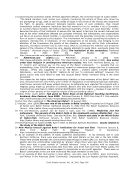
Johnson, B. T., &Eagly, A. H. (1989). The effects of involvement on persuasion: A
metaanalysis. Psychological Bulletin, 106, 290-314.
Kahneman, D. (1973). Attention and effort. Englewood Cliffs, NJ: Prentice Hall.
Kassin, S. M. (1997). The psychology of confession evidence. American Psychologist, 52,
221-233.
Keinan, G., Friedland, N., &Arad, L. (1991). Chunking and integration: Effects of stress on
the restructuring of information. Cognition and Emotion, 5, 133-145.
Keinan, G., Friedland, N., &Evan-Haim, G. (in press). The effect of stress and self-esteem
on social stereotyping. Journal of Social and Clinical Psychology.
Kim, H. S., &Baron, R. S. (1988). Exercise and the illusory correlation. Journal of
Experimental Social Psychology, 24, 366-380.
Kruglanski, A. W. (1989). Lay epistemics and human knowledge: Cognitive and motivational
bases. New York: Plenum.
Kruglanski, A. W., &Freund, T. (1983). The freezing and unfreezing of lay-inferences:
Effects on impressional primacy, ethnic stereotyping and numerical anchoring. Journal
of Experimental Social Psychology, 19, 448-468.
Kruglanski, A. W., &Webster, D. M. (1991). Group members‘ reactions to opinion deviates
and conformists at varying degrees of proximity to decision deadline and environmental
noise. Journal of Personality and Social Psychology, 61, 212-225.
Lazarus, R. S. (1981). The stress and the coping paradigm. In C. Eisdorfer, D. Cohen, A.
Kleinman, &P. Maxim (Eds.), Models for clinical psychopathology (pp. 177-183, 192-
201). NY: Spectrum.
Lifton, R. J. (1961). Thought reform and the psychology of totalism: A study of
Brainwashing in China. New York: Holt.
Long, K. M., &Spears, R. (1998). Opposing effects of personal and collective self-esteem on
interpersonal and intergroup comparisons. European Journal of Social Psychology, 28,
913-930.
Luus, C. A., &Wells, G. L. (1994) The malleability of eyewitness confidence: Co-witness and
perseverance effects. Journal of Applied Psychology, 79, 714-723.
Maass, A., &Clark, R. D. (1984). Hidden impact of minorities: Fifteen years of minority
influence research. Psychological Bulletin, 95, 429-450.
Mackie, D. M., &Cooper, J. (1984). Attitude polarization: Effects of group membership.
Journal of Personality and Social Psychology, 45, 575-586.
McGuire, W. J. (1968). Personality and susceptibility to social influence. In E. F. Borgatta, &
W. W. Lambert (Eds.), Handbook of personality theory and research (pp. 1130-1187).
Chicago: Rand McNally.
Meijnders, A. (1998). Climate change and changing attitudes: Effect of negative emotion on
information processing. Eindhoven, The Netherlands: Eindhoven University Press.
Moloney, J. C. (1955). Psychic self-abandon and extortion of confession. International
Journal of Psychoanalysis, 36, 53-60.
Myers, D. (1998). Psychology. New York: Worth.
Nemeth, C., &Wachtler, J. (1974). Consistency and modification of judgment. Journal of
Experimental Social Psychology, 9, 65-79.
Ofshe, R., &Singer, M. T. (1986). Attacks on peripheral versus central elements of self and
the impact of thought reforming techniques. Cultic Studies Journal, 3, 3-24.
Paulhus, D. L., &Lim, D. T. K. (1994). Arousal and evaluative extremity in social
judgments: A dynamic complexity model. European Journal of Social Psychology, 24,
89-99.
Paulhus, D. L., Martin, C. L., &Murphy, G. K. (1992). Some effects of arousal on sex
stereotyping. Personality and Social Psychology Bulletin, 18, 325-330.
Pavlov, I. (1927). Conditioned reflexes. Oxford, England: Clarendon.
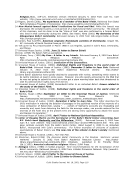
Johnson, B. T., &Eagly, A. H. (1989). The effects of involvement on persuasion: A
metaanalysis. Psychological Bulletin, 106, 290-314.
Kahneman, D. (1973). Attention and effort. Englewood Cliffs, NJ: Prentice Hall.
Kassin, S. M. (1997). The psychology of confession evidence. American Psychologist, 52,
221-233.
Keinan, G., Friedland, N., &Arad, L. (1991). Chunking and integration: Effects of stress on
the restructuring of information. Cognition and Emotion, 5, 133-145.
Keinan, G., Friedland, N., &Evan-Haim, G. (in press). The effect of stress and self-esteem
on social stereotyping. Journal of Social and Clinical Psychology.
Kim, H. S., &Baron, R. S. (1988). Exercise and the illusory correlation. Journal of
Experimental Social Psychology, 24, 366-380.
Kruglanski, A. W. (1989). Lay epistemics and human knowledge: Cognitive and motivational
bases. New York: Plenum.
Kruglanski, A. W., &Freund, T. (1983). The freezing and unfreezing of lay-inferences:
Effects on impressional primacy, ethnic stereotyping and numerical anchoring. Journal
of Experimental Social Psychology, 19, 448-468.
Kruglanski, A. W., &Webster, D. M. (1991). Group members‘ reactions to opinion deviates
and conformists at varying degrees of proximity to decision deadline and environmental
noise. Journal of Personality and Social Psychology, 61, 212-225.
Lazarus, R. S. (1981). The stress and the coping paradigm. In C. Eisdorfer, D. Cohen, A.
Kleinman, &P. Maxim (Eds.), Models for clinical psychopathology (pp. 177-183, 192-
201). NY: Spectrum.
Lifton, R. J. (1961). Thought reform and the psychology of totalism: A study of
Brainwashing in China. New York: Holt.
Long, K. M., &Spears, R. (1998). Opposing effects of personal and collective self-esteem on
interpersonal and intergroup comparisons. European Journal of Social Psychology, 28,
913-930.
Luus, C. A., &Wells, G. L. (1994) The malleability of eyewitness confidence: Co-witness and
perseverance effects. Journal of Applied Psychology, 79, 714-723.
Maass, A., &Clark, R. D. (1984). Hidden impact of minorities: Fifteen years of minority
influence research. Psychological Bulletin, 95, 429-450.
Mackie, D. M., &Cooper, J. (1984). Attitude polarization: Effects of group membership.
Journal of Personality and Social Psychology, 45, 575-586.
McGuire, W. J. (1968). Personality and susceptibility to social influence. In E. F. Borgatta, &
W. W. Lambert (Eds.), Handbook of personality theory and research (pp. 1130-1187).
Chicago: Rand McNally.
Meijnders, A. (1998). Climate change and changing attitudes: Effect of negative emotion on
information processing. Eindhoven, The Netherlands: Eindhoven University Press.
Moloney, J. C. (1955). Psychic self-abandon and extortion of confession. International
Journal of Psychoanalysis, 36, 53-60.
Myers, D. (1998). Psychology. New York: Worth.
Nemeth, C., &Wachtler, J. (1974). Consistency and modification of judgment. Journal of
Experimental Social Psychology, 9, 65-79.
Ofshe, R., &Singer, M. T. (1986). Attacks on peripheral versus central elements of self and
the impact of thought reforming techniques. Cultic Studies Journal, 3, 3-24.
Paulhus, D. L., &Lim, D. T. K. (1994). Arousal and evaluative extremity in social
judgments: A dynamic complexity model. European Journal of Social Psychology, 24,
89-99.
Paulhus, D. L., Martin, C. L., &Murphy, G. K. (1992). Some effects of arousal on sex
stereotyping. Personality and Social Psychology Bulletin, 18, 325-330.
Pavlov, I. (1927). Conditioned reflexes. Oxford, England: Clarendon.